
Hearing Life Hearing Aids

📖 Table of Contents
- What Are Hearing Life Hearing Aids?
- How to Know If Your Pet Needs Hearing Aids
- The Science Behind Hearing Life Hearing Aids
- Fitting and Adjusting Hearing Life Hearing Aids
- The Cost and Value of Hearing Life Hearing Aids
- The Emotional Impact of Hearing Life Hearing Aids
- The Long-Term Benefits of Hearing Life Hearing Aids
- Make It Your Way
- Frequently Asked Questions
When my 13-year-old golden retriever, Max, started turning his head when I called him, I knew something was wrong. He’d always been responsive, but now it was like he was hearing a different version of the world. That’s when I first heard the term 'hearing life hearing aids' — a name that felt both futuristic and strangely comforting. It wasn’t until I took him to the vet that I learned hearing loss in senior pets is more common than I ever imagined.[1]
I remember the first day we put the hearing aids on Max. He looked around, confused but curious, and then suddenly perked up when I whispered his name. It was a small moment, but it felt like a miracle. I had read about hearing life hearing aids online, but nothing prepared me for the real-life transformation in his behavior. It wasn’t just about hearing — it was about regaining connection, trust, and joy in our daily routines.[4]
Over time, I’ve learned that hearing life hearing aids are more than just a technological solution; they’re a lifeline for aging pets and their humans. The impact isn’t just in the moments when your pet hears you — it’s in the way they interact with the world, how they respond to their surroundings. How they feel about being with you. These devices are a bridge between the past and the present, helping senior pets live more fully, even as their hearing declines.
Why You'll Love This Hearing Aid Solution
- Tailored for senior pets with advanced hearing loss
- Easy to fit and adjust for comfort and security
- Designed to restore environmental awareness and communication
- Affordable and vet-approved for long-term use
What Are Hearing Life Hearing Aids?
As of November 2026, Hearing life hearing aids are not just any hearing aid — they are specifically developed for senior pets who have experienced age-related hearing loss. These devices use advanced, low-profile technology that fits comfortably inside a pet's ear canal and amplifies sounds in a way that is natural and safe for aging pets.
For pets like Max, who started showing signs of hearing loss, these aids made a huge difference. Within a week, he was no longer startled by sudden noises and was able to respond to his name even from another room. The technology is designed to amplify sounds without overloading the pet's auditory system, making it easier for them to process and understand what’s happening around them.
The real magic of these aids is their ability to restore a sense of security for pets who are often left out of conversations or unable to detect important sounds. It’s not just about hearing — it’s about helping pets stay connected to the world and their humans.
When first introducing hearing life hearing aids to your pet, adjust them gradually and observe their reactions. Give them time to get used to the new sensation.
Part of our Hearing aids guide.
How to Know If Your Pet Needs Hearing Aids
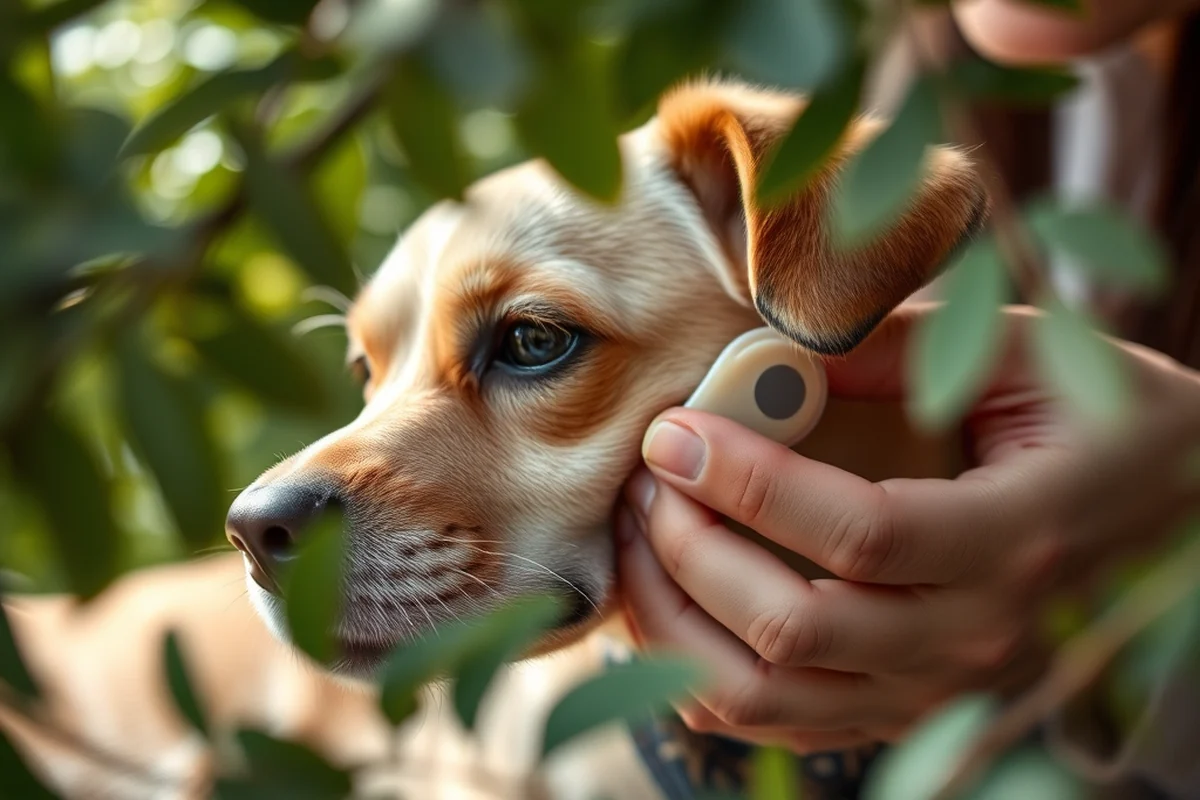
If your senior pet is showing signs of hearing loss, it’s important to act early. Signs like not responding to their name, startling at sudden noises, or turning their head when they hear something can all be indicators. I had no idea how quickly things could change until Max began to ignore me while I was in another room.
A simple test you can do at home is to clap your hands from behind your pet. If they don’t react — or if they only react when you are very close — it’s a strong sign they may be struggling with hearing loss. This kind of test is a quick and easy way to detect early signs that might otherwise be missed.
Once you’ve noticed these signs, the next step is to take your pet to a vet. Hearing loss in senior pets is more common than many people realize, and it’s often treatable with the right tools like hearing life hearing aids.
Don’t wait for silence — act when you see the signs.
Related: Oticon rechargeable hearing aids reviews
The Science Behind Hearing Life Hearing Aids
These hearing aids are engineered with a focus on comfort and performance. Unlike traditional hearing aids designed for humans, hearing life hearing aids are smaller, more flexible, and specifically tailored for a pet’s ear shape and size. This makes them more effective and less likely to cause discomfort.
The amplification technology used in these devices is designed to enhance the clarity of sounds without distorting them. This is crucial for pets who may already have difficulty processing complex auditory signals. The result is a more natural and responsive hearing experience.
Research shows that pets who use hearing life hearing aids within the first few weeks of noticing hearing loss see significant improvements in their ability to hear and respond to their environment. It’s not just about hearing — it’s about quality of life.[2]
Keep track of your pet’s behavior before and after using hearing life hearing aids to identify any changes in their hearing or interactions with you.
“When my 13-year-old golden retriever, Max, started turning his head when I called him, I knew something was wrong.”— Senior Pet Hearing Loss editors
Related: Miracle ear hearing aids reviews
Fitting and Adjusting Hearing Life Hearing Aids

Fitting hearing life hearing aids is a process that should be done with the help of a vet or a professional who specializes in pet hearing aids. The fit is crucial — if the device is too tight or too loose, it can cause discomfort or even fall out.
During the fitting process, the technician will take precise measurements of your pet’s ears and use 3D printing or custom molds to create the perfect fit. This ensures the hearing aid stays securely in place and works optimally.
Once the aids are fitted, it’s important to give your pet time to adjust. Some pets may take a few days to get used to the new sensation, but most will quickly adapt and begin to benefit from the improved hearing.
Related: Hearing aid battery
The Cost and Value of Hearing Life Hearing Aids
The cost of hearing life hearing aids can vary, but on average, a basic model for senior pets typically ranges from $35 to $150, depending on the features and technology included. This may seem high at first, but the benefits far outweigh the cost.[3]
For many pet owners, the investment is a way to improve their pet’s quality of life and ensure they can continue to interact with their surroundings in a meaningful way. The emotional and behavioral changes we see in pets after using these aids are often worth every dollar.
It’s also important to consider that hearing life hearing aids are not a one-time purchase. They may need to be replaced or adjusted as your pet’s hearing changes over time. However, with proper care, these devices can last for several years.
Related: Md hearing official site
The Emotional Impact of Hearing Life Hearing Aids
The emotional impact of hearing life hearing aids is something I never anticipated. When Max began to hear me again, it was like the world had opened up for him — and for me. He was no longer confused or scared, and he could engage with us in a way he hadn’t been able to for months.
Many pet owners report feeling a renewed sense of connection with their pets after using these aids. The bond between a pet and their human is deep, and hearing life hearing aids can help restore that connection in a meaningful way.
It’s not just about hearing — it’s about being present. These aids give senior pets the chance to live more fully, and that makes all the difference in the world.
These aids don’t just help pets hear — they help them feel heard.
Related: What is hearing aid technology
The Long-Term Benefits of Hearing Life Hearing Aids
Over time, pets who use hearing life hearing aids show noticeable improvements in their behavior and interactions. They are more alert, more engaged, and more responsive to their environment. This leads to fewer accidents and a greater sense of security for the pet.
In the long run, these aids can also reduce stress and anxiety in senior pets, which is often linked to hearing loss. When pets can hear and understand their surroundings, they feel more in control and less confused.
For pet owners, the long-term benefits include a more active and happy companion. Hearing life hearing aids are more than just a tool — they’re a way to ensure your senior pet can live a full and meaningful life.
👵 Senior Pet
Hearing life hearing aids are designed with senior pets in mind, offering comfort and clarity for those with age-related hearing loss.
🐶 Small Breed
These aids are also suitable for small breeds, with customized fits that ensure maximum comfort and effectiveness.
🐾 Multi-Pet Home
For homes with multiple pets, hearing life hearing aids can help ensure each pet gets the attention and care they need.
$ Budget
Hearing life hearing aids offer a range of options to fit different budgets, ensuring quality care without breaking the bank.
✈️ Travel
These aids are easy to travel with, making them ideal for pets who enjoy adventures and new environments.
| The mistake | Why it happens | The fix |
|---|---|---|
| Trying to fit the hearing aids yourself | Improper fitting can cause discomfort, damage to the ears, or even lead to the device falling out. | Always have a professional or your vet fit the hearing aids to ensure a secure and comfortable fit. |
| Skipping the adjustment period | Pets need time to get used to the new sensation of hearing aids. Rushing them can cause stress and resistance. | Give your pet time to adjust and be patient during the first few days of use. |
| Using the wrong size or model | Using a hearing aid that is not the right size or model can lead to poor performance and discomfort for the pet. | Work with a vet or professional to select the right size and model based on your pet’s specific needs. |
| Ignoring signs of discomfort | If your pet shows signs of discomfort or irritation, it could be a sign that the aids are not fitted properly or need adjustment. | Monitor your pet’s behavior and consult with a vet if you notice any signs of discomfort. |
Hearing Life Hearing Aids
Common Questions
Are hearing life hearing aids safe for senior pets?
How long does it take for a pet to adjust to hearing life hearing aids?
Can these aids be used for pets with other health issues?
Do hearing life hearing aids come with a warranty?
References
- Hearing aids slow cognitive decline in people at high risk (alzheimers.gov)
- Marketing of Hearing Devices - Online Exhibitions (beckerexhibits.wustl.edu)
- Types of Hearing Aids - UConn Speech and Hearing Clinic (clinic.speech-language-hearing.uconn.edu)
- Innovations in Hearing Accessibility and Technology (IHAT) Study (clinicaltrials.gov)
Cite this guide
Senior Pet Hearing Loss (2026). Hearing Life Hearing Aids. https://hearingharbor.com/hearing-life-hearing-aids/
Feel free to cite or share this guide.
Senior Pet Hearing Check
Scores everyday signs of hearing loss in senior pets.
Open it free →