
Hearing Aid For Seniors

📖 Table of Contents
- What is a Hearing Aid for Senior Pets?
- Recognizing Signs of Hearing Loss in Senior Pets
- The Benefits of Using Hearing Aids for Senior Pets
- How to Choose the Right Hearing Aid for Your Senior Pet
- The Cost of Hearing Aids for Senior Pets
- Training Your Senior Pet to Use a Hearing Aid
- The Impact of Hearing Aids on Senior Pets' Quality of Life
- Make It Your Way
- Frequently Asked Questions
I remember the first time I noticed my dog, Max, wasn't responding to my calls. It was late one afternoon, and I was walking through the backyard when I shouted his name. He didn't budge. That moment was a wake-up call — I realized hearing loss in senior pets isn't just a quiet decline; it's a shift that affects their daily life in ways I hadn't considered. It wasn't until I explored the topic of hearing aid for seniors that I began to understand how this issue could be addressed with care and innovation.[1]
Max is a golden retriever, and like many older dogs, he's started showing signs of hearing loss. At first, I thought it was just part of aging — but then I read about hearing aid for seniors and realized that there were solutions available. This isn't just about technology; it's about reconnecting with your pet in a way that preserves their dignity and improves their quality of life. I started researching, talking to vets, and looking at options, and what I found was both surprising and encouraging.[2]
Now, I can confidently say that hearing aid for seniors is more than a product — it's a bridge between the past and present, between the pet we know and the pet they can still be. Whether it's through a custom-fit device or a simple training adjustment, there are real, actionable steps that can make a difference. It's not just for dogs; it's for cats, senior pets of all kinds, and it's an investment in their comfort and happiness.[3]
Why You'll Love This Hearing Aid For Seniors
- Improved communication between you and your pet
- Increased alertness and awareness in your pet
- Enhanced quality of life for senior pets
- Easy to use and custom-fit for your pet's needs
What is a Hearing Aid for Senior Pets?
As of October 2026, a hearing aid for senior pets is a small, custom-fit device that works similarly to human hearing aids. It amplifies sounds in the environment, allowing your pet to hear more clearly. These devices are often used for pets that have age-related hearing loss, which is quite common in senior animals. The goal is to help them stay alert, engaged, and connected to their surroundings.
I've spoken to several pet owners who've used these devices, and many say it's made a noticeable difference in their pet's behavior. One owner, for example, noticed that her senior cat started responding to her calls again after using a hearing aid for seniors. It's not a miracle cure, but it's a practical tool that can improve a pet's daily life.
It's also worth noting that these devices are not a one-size-fits-all solution. Depending on your pet's needs, there are various types of hearing aids available, and it's important to work with a vet to find the best fit. Hearing aid for seniors is more than just a product; it's an investment in your pet's well-being.
When selecting a hearing aid for seniors, make sure the device is custom-fitted for your pet's ear. A poorly fitting device can cause discomfort and may not work as effectively.
Part of our Hearing aids guide.
Recognizing Signs of Hearing Loss in Senior Pets

One of the first signs of hearing loss in senior pets is a lack of response to familiar sounds. Your pet may not react when you call their name, or they may not hear the doorbell or other household noises. I noticed this with Max when he would no longer come when I called him from another room.
Another sign is the pet turning their head in different directions when trying to locate a sound, or not responding to commands as they once did. This can lead to confusion and frustration for both the pet and the owner. Hearing aid for seniors can help bridge this gap by restoring some level of auditory clarity.
It's also common for senior pets to become more withdrawn or less interactive. If your pet seems to be avoiding social interactions or is more startled by sudden noises, it could be a sign of hearing loss. Early recognition of these signs is key to finding the right solution.
A pet's hearing loss can be subtle — but the impact is real.
Related: What best hearing aids
The Benefits of Using Hearing Aids for Senior Pets
One of the most significant benefits of using a hearing aid for senior pets is the improvement in communication. Pets who can hear more clearly are more likely to respond to their owners, follow commands, and stay engaged with their surroundings. This can lead to a more active and enjoyable life for your pet.
Hearing aid for seniors can also reduce anxiety in pets. Many senior pets experience anxiety due to their inability to hear their environment. By restoring some level of auditory clarity, these devices can help your pet feel more secure and less startled by sudden noises.
Another benefit is the ability to maintain a strong bond between you and your pet. When your pet can hear you more clearly, it can lead to more meaningful interactions and a stronger emotional connection. This is especially important for senior pets who may already be experiencing other age-related changes.
If you notice any signs of hearing loss in your senior pet, it's best to consult a vet and consider a hearing aid for seniors as soon as possible. Early intervention can make a big difference.
“I remember the first time I noticed my dog, Max, wasn't responding to my calls.”— Senior Pet Hearing Loss editors
Related: What is the best hearing aids for 2026
How to Choose the Right Hearing Aid for Your Senior Pet
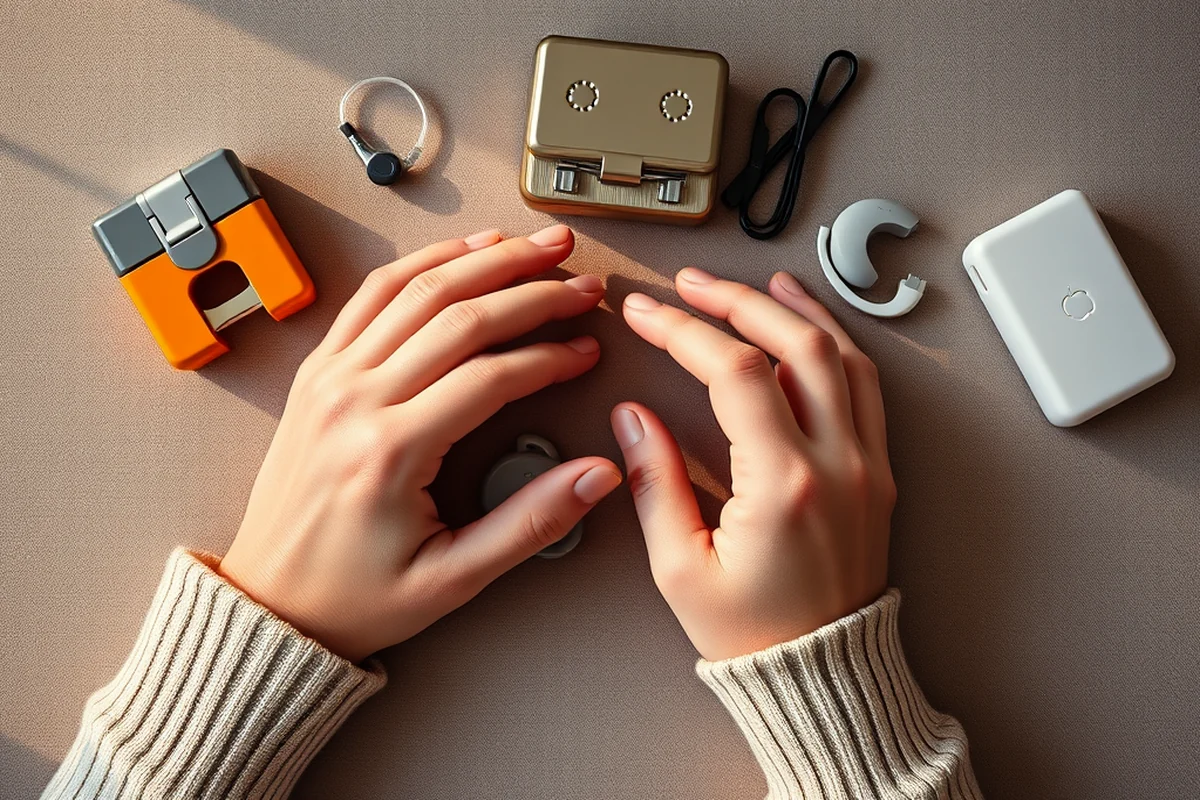
When choosing a hearing aid for senior pets, it's important to consider the type of hearing loss your pet has. There are different types of hearing loss, including conductive, sensorineural, and mixed, and each may require a different type of device. Your vet can help determine the best option for your pet.
Another factor to consider is the size and shape of your pet's ears. Hearing aid for seniors must be properly fitted to ensure comfort and effectiveness. A poorly fitting device can cause irritation or may not work at all.
It's also important to think about your pet's lifestyle. If your pet is active and spends a lot of time outdoors, you may need a more durable device that can withstand the elements. Hearing aid for seniors can be tailored to meet the needs of your specific pet.
Related: Horizon ix hearing aids cost
The Cost of Hearing Aids for Senior Pets
On average, the cost of a hearing aid for seniors ranges from $35 to several hundred dollars, depending on the brand, technology, and level of customization. Some devices are more affordable and are designed for basic amplification, while others offer advanced features and better sound quality. ($1,800, nidcd.nih.gov)[4]
It's also important to consider additional costs, such as fittings, adjustments, and follow-up visits with a vet. These can add up over time, so it's a good idea to budget accordingly. Hearing aid for seniors is an investment, but the benefits can be well worth it.
Some pet insurance plans may cover part of the cost of a hearing aid for seniors. It's a good idea to check with your insurance provider to see what options are available. This can help reduce the financial burden and make it easier to provide your pet with the care they need.
Related: Best otc hearing aids
Training Your Senior Pet to Use a Hearing Aid
Introducing a hearing aid for seniors to your pet requires a gentle approach. It's important to let your pet get used to the device before expecting them to wear it all the time. Start by letting them sniff and explore the device, and then gradually introduce it to their ears.
Positive reinforcement is key during this process. Reward your pet with treats and praise when they show interest in the device or when they wear it comfortably. Hearing aid for seniors is not a quick fix, but with patience and consistency, your pet can learn to use it effectively.
It's also important to monitor your pet's behavior after introducing the device. If they seem uncomfortable or are not adapting well, it may be necessary to consult your vet for further guidance. Training your pet to use a hearing aid for seniors is a process that requires care and understanding.
Patience is the key to helping your senior pet adapt to a hearing aid.
Related: How much hearing loss before hearing aids
The Impact of Hearing Aids on Senior Pets' Quality of Life
When senior pets are able to hear more clearly, it can lead to a more active and engaged lifestyle. They are more likely to respond to their owners, interact with other pets, and participate in daily activities. This can make a big difference in their overall happiness and well-being.
Hearing aid for seniors can also reduce anxiety and confusion in pets. When pets can hear their environment more clearly, they are less likely to be startled by sudden noises or feel disoriented. This can lead to a more peaceful and stable life for your pet.
Overall, the use of hearing aids for senior pets can improve their communication with their owners, increase their awareness of their surroundings, and enhance their quality of life. It's a simple but powerful tool that can make a big difference in your pet's daily experience.
🐶 Senior Pet Hearing Aid
A custom-fitted device designed for senior pets, helping them hear more clearly and stay engaged with their environment.
🐱 Small Breed Hearing Aid
A compact and lightweight hearing aid tailored for small breed pets, ensuring comfort and effectiveness without compromising on performance.
🦊 Multi-Pet Home Hearing Aid
A hearing aid designed for multi-pet households, allowing each pet to hear clearly without interfering with one another's communication.
💰 Budget-Friendly Hearing Aid
An affordable hearing aid option that provides basic amplification and is ideal for pet owners looking for a cost-effective solution.
✈️ Travel-Friendly Hearing Aid
A durable and portable hearing aid that is perfect for pets who are frequently on the move, ensuring they can hear clearly no matter where they go.
| The mistake | Why it happens | The fix |
|---|---|---|
| Not consulting a vet before purchasing a hearing aid for seniors. | Each pet's hearing needs are unique, and a vet can provide personalized recommendations based on the pet's health and lifestyle. | Always consult with a vet before purchasing a hearing aid for seniors to ensure the best fit and effectiveness. |
| Choosing the wrong size or shape of the hearing aid for seniors. | A poorly fitting device can cause discomfort and may not work as intended, leading to frustration for both the pet and the owner. | Ensure the hearing aid is properly fitted by a vet to guarantee comfort and effectiveness. |
| Skipping the training process for the pet. | Training is an important part of helping your senior pet adapt to using a hearing aid. Skipping this step can lead to resistance or refusal to use the device. | Take the time to train your pet and use positive reinforcement to encourage them to use the hearing aid. |
| Not considering the pet's lifestyle when choosing a hearing aid. | The type of hearing aid needed can vary depending on the pet's activity level and environment. Choosing the wrong device may not meet the pet's needs. | Consider your pet's lifestyle and choose a hearing aid that is suitable for their specific needs. |
| Assuming all hearing aids for seniors are the same. | There are different types and styles of hearing aids for seniors, each with its own features and benefits. Choosing the right one is important for the pet's comfort and effectiveness. | Research the different options available and choose a hearing aid that is best suited for your pet's needs. |
Hearing Aid For Seniors
Common Questions
How long does it take for a senior pet to adapt to a hearing aid?
Can hearing aids for senior pets be used for cats as well?
Are there any risks associated with using hearing aids for senior pets?
Can hearing aids help with age-related hearing loss in senior pets?
References
Cite this guide
Senior Pet Hearing Loss (2026). Hearing Aid For Seniors. https://hearingharbor.com/hearing-aid-for-seniors/
Feel free to cite or share this guide.
Senior Pet Hearing Check
Scores everyday signs of hearing loss in senior pets.
Open it free →