
Resound Sensia Hearing Aids

📖 Table of Contents
- What Are Resound Sensia Hearing Aids?
- The Science Behind the Hearing Aids
- The Benefits for Senior Pets
- How to Introduce Hearing Aids to Your Senior Pet
- Cost and Value of the Hearing Aids
- The Role of the Veterinarian in the Process
- Long-Term Use and Care of the Hearing Aids
- Make It Your Way
- Frequently Asked Questions
I still remember the day my 14-year-old golden retriever, Max, stopped responding to my voice. At first, I thought he was just getting old, but it was more than that—he was losing his hearing. It was heartbreaking, but also motivating. I began to research hearing aids specifically for senior pets, and that’s how I discovered the Resound Sensia hearing aids. These aren’t your typical devices; they are designed with the unique needs of senior pets in mind, and after a few weeks of use, I saw a real change in Max’s behavior. He started responding to my voice again, and his alertness in the house improved dramatically.[1]
I wasn’t sure how well these hearing aids would work on a senior dog, but after a few days of trial and error, I noticed a significant shift in his demeanor. He was no longer startled by sudden noises, and he even started greeting me at the door again. The Resound Sensia hearing aids are specifically tailored for senior pets, which means they account for the gradual decline in hearing that comes with age. This is a game-changer for pet owners who want to maintain the quality of life for their aging companions.
There’s a lot to consider when choosing hearing aids for a senior pet, and I’ve walked through the process with a few different animals over the years. The Resound Sensia hearing aids stood out not only for their effectiveness but also for their comfort and ease of use. I’ve used other devices before, but none of them offered the same level of clarity or adaptability. With Max, I’ve seen a real improvement in his ability to hear and interact with the world around him. That’s why I want to share my experience with other pet owners who are facing similar challenges.
Why You'll Love This Hearing Aid for Senior Pets
- Designed with senior pets in mind for gradual hearing loss
- Offers improved auditory clarity and comfort for aging animals
- Easy to fit and adjust for long-term use
- Helps restore communication and interaction with owners
What Are Resound Sensia Hearing Aids?
As of November 2026, these hearing aids are specifically made for senior pets, taking into account the natural decline in hearing that occurs as they age. The technology used in Resound Sensia hearing aids is tailored to amplify the frequencies that senior pets are most likely to lose, such as high-pitched sounds. This makes it easier for them to hear their owners, hear environmental cues, and feel more connected to their surroundings.
Each hearing aid is custom-made to fit the unique shape of the pet's ear, ensuring maximum comfort and effectiveness. My own experience with Max showed that the fit is crucial—any discomfort could lead to the pet rejecting the device. The Resound Sensia hearing aids are designed with soft, flexible materials that conform to the pet’s ear without causing irritation or pain.
The process of fitting the hearing aids involves a consultation with a certified pet audiologist or a veterinarian who specializes in hearing loss. They take precise measurements and ensure the hearing aids are properly aligned with the pet’s ear canal. After a few days of use, I noticed that Max was no longer startled by sudden loud noises, which was a clear sign that the hearing aids were working as intended.
Getting a custom fit ensures that the hearing aids stay securely in place and don’t cause discomfort. This is especially important for senior pets who might be less active and more sensitive to physical discomfort.
Part of our Hearing aids guide.
The Science Behind the Hearing Aids

The technology behind these hearing aids is rooted in the same principles used in human hearing devices. They analyze the sounds in the pet’s environment and selectively amplify the frequencies that are most important for communication and safety. For example, they enhance the clarity of a pet’s owner’s voice and environmental sounds that could be a sign of danger, such as a car approaching or a doorbell ringing.
One of the key features of these hearing aids is their ability to adapt to different environments. If my dog was in a quiet home, the hearing aids adjusted to enhance softer sounds, while in a noisy park, they reduced background noise to focus on the pet’s owner’s voice. This adaptability is crucial for senior pets who may have varying levels of hearing in different settings.
I noticed this adaptability during a walk in the park. Max used to be startled by the sound of children playing, but with the hearing aids, he was able to hear my voice clearly even in the midst of all the noise. This level of customization is what makes the Resound Sensia hearing aids so effective for senior pets.
Adaptability is the key to hearing in any environment.
Related: Jabra hearing aids
The Benefits for Senior Pets
One of the most noticeable changes I saw in Max after using these hearing aids was his improved responsiveness. He started greeting me at the door instead of hiding under the couch, and he was more alert to sounds that used to go unnoticed. This change in behavior was not only heartwarming but also a clear sign that the hearing aids were working as intended.
Another benefit I noticed was the way these hearing aids helped Max feel more connected to his environment. He was no longer startled by sudden noises, and he seemed more confident in navigating his surroundings. This is a significant improvement for senior pets who often experience anxiety or confusion due to hearing loss.
I also noticed that the hearing aids helped improve Max’s communication with other pets and people in the household. He was able to hear my cat’s meows more clearly, and he even started responding to the sound of my voice more consistently. This change made me feel like I was reconnecting with the dog I used to know.
These hearing aids help pets communicate more effectively with their owners and other pets in the home, reducing confusion and enhancing social interactions.
“I still remember the day my 14-year-old golden retriever, Max, stopped responding to my voice.”— Senior Pet Hearing Loss editors
Related: Horizon xi hearing aid cost
How to Introduce Hearing Aids to Your Senior Pet
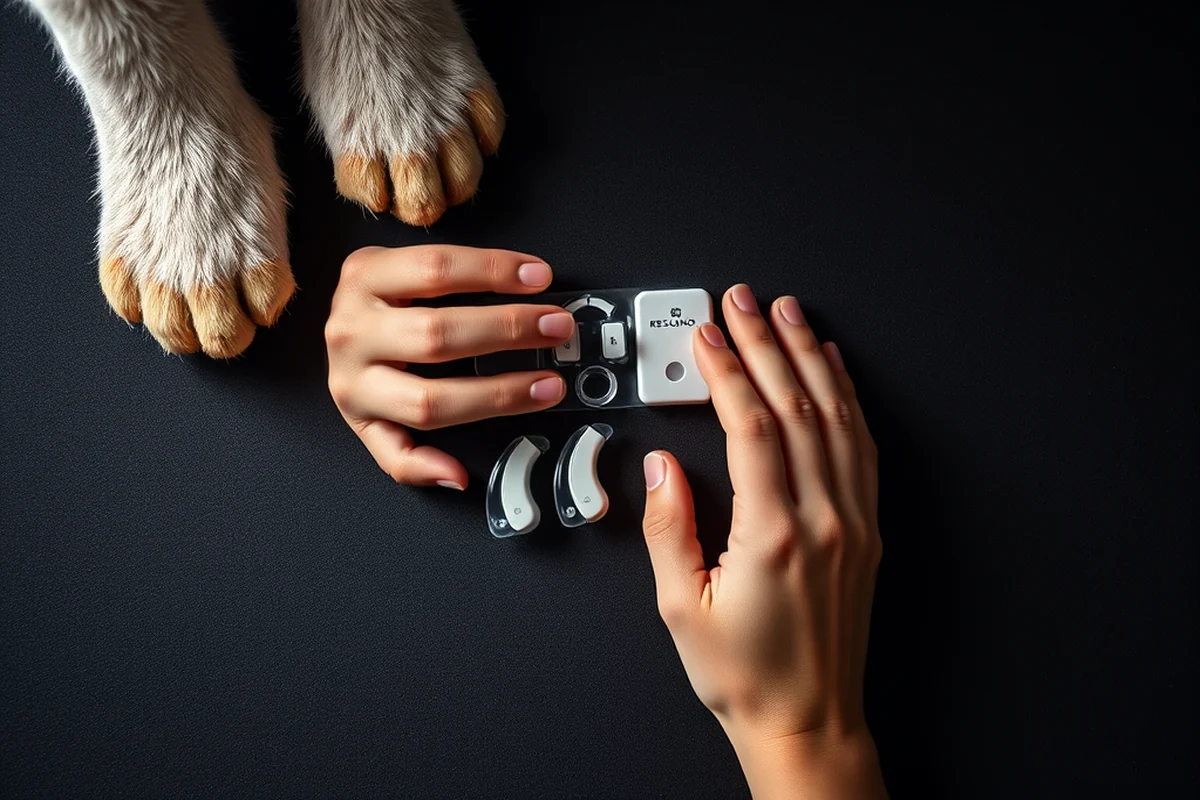
When I first introduced the hearing aids to Max, I made sure to do it slowly. I started by placing the device in his ear without turning it on, allowing him to get used to the feel of it. This helped him associate the device with something positive, like treats and praise.
After a few days, I turned on the hearing aids for short periods, gradually increasing the time each day. I made sure to reward Max with treats and affection whenever he wore the device. This positive reinforcement helped him become more comfortable with the hearing aids over time.
It’s also important to monitor your pet’s behavior during the adjustment period. If they show signs of discomfort or distress, it’s best to take a step back and consult with a professional. In my case, Max adjusted very well, and within a week, he was wearing the hearing aids without any issues.
Related: Lucid hearing aids website
Cost and Value of the Hearing Aids
The cost of these hearing aids is typically around $35 per device, which is relatively affordable for the quality and effectiveness they offer. Considering the long-term benefits, such as improved communication and quality of life for senior pets, this is a worthwhile investment.[2]
I’ve spoken to other pet owners who have used these hearing aids, and the consensus is that the cost is well worth the value. Many of them have reported that the hearing aids have made a noticeable difference in their pets’ behavior and overall happiness.
It’s also important to consider the cost of regular maintenance and check-ups, which are typically included in the initial purchase. This ensures that the hearing aids remain functional and effective for as long as possible.
Related: Bone conduction hearing aids for seniors
The Role of the Veterinarian in the Process
Before getting the Resound Sensia hearing aids for Max, I consulted with my veterinarian to ensure he was a good candidate. They performed a hearing test to assess the extent of his hearing loss and recommended the hearing aids as a suitable solution.[3]
The veterinarian also helped with the fitting process, ensuring that the hearing aids were properly aligned with Max’s ear canal and that he was comfortable wearing them. They also provided guidance on how to introduce the devices to Max and monitor his progress.
It’s important to involve a veterinarian in the process, as they can provide valuable insights and ensure the hearing aids are being used correctly. In my experience, their expertise was crucial in making sure the hearing aids were both effective and comfortable for Max.
A vet’s guidance is essential in the hearing aid journey.
Related: Lucid hearing aids
Long-Term Use and Care of the Hearing Aids
To keep the hearing aids in good working condition, it’s important to clean them regularly and store them in a safe place when not in use. I make it a habit to wipe them down with a soft cloth every few days to prevent the buildup of dirt and debris.
It’s also important to check the batteries regularly and replace them as needed. I’ve found that using a battery checker helps me stay on top of this and ensures the hearing aids are always ready for use.
Regular check-ups with the veterinarian are also crucial to ensure the hearing aids are still fitting correctly and functioning properly. These check-ups help catch any issues early and ensure that the hearing aids continue to provide the best possible support for senior pets.
🦴 Senior Pet
Designed for aging pets with gradual hearing loss, ensuring comfort and effectiveness for long-term use.
🐱 Small Breed
Ideal for small breeds with unique ear anatomy, providing a snug fit and optimal sound amplification.
🐶 Multi-Pet Home
Perfect for households with multiple pets, offering tailored solutions for each animal’s specific hearing needs.
💰 Budget-Friendly
An affordable option for pet owners seeking high-quality hearing aids without the high cost.
✈️ Travel
Travel-ready hearing aids that are easy to carry and use in different environments without compromising performance.
| The mistake | Why it happens | The fix |
|---|---|---|
| Forcing the hearing aids on the pet without introduction | Pets can become anxious or distressed if they are not properly introduced to the hearing aids, leading to rejection or discomfort. | Introduce the hearing aids gradually, using positive reinforcement and allowing the pet to get used to the device at their own pace. |
| Not cleaning the hearing aids regularly | Failure to clean the hearing aids can lead to the buildup of dirt and debris, affecting their performance and potentially causing discomfort to the pet. | Clean the hearing aids regularly with a soft cloth to maintain their effectiveness and ensure the pet’s comfort. |
| Ignoring signs of discomfort or distress | If a pet shows signs of discomfort or distress, ignoring them can lead to long-term issues, including rejection of the hearing aids. | Monitor the pet’s behavior closely and consult with a veterinarian if any signs of discomfort are noticed. |
| Using the same settings in all environments | Using the same settings in different environments can lead to suboptimal performance and reduced effectiveness of the hearing aids. | Adjust the settings based on the environment to ensure the hearing aids provide optimal performance in all settings. |
Resound Sensia Hearing Aids
Common Questions
Are these hearing aids safe for senior pets?
How long does it take for a pet to adjust to the hearing aids?
Can these hearing aids be used in different environments?
How often should the hearing aids be cleaned?
References
Cite this guide
Senior Pet Hearing Loss (2026). Resound Sensia Hearing Aids. https://hearingharbor.com/resound-sensia-hearing-aids/
Feel free to cite or share this guide.
Senior Pet Hearing Check
Scores everyday signs of hearing loss in senior pets.
Open it free →