
Hearing Aid Battery

📖 Table of Contents
- Understanding Hearing Aid Battery Life in Senior Pets
- The Cost of Hearing Aid Batteries for Senior Pets
- Choosing the Right Hearing Aid Battery for Your Senior Pet
- The Signs of a Failing Hearing Aid Battery
- How to Store and Replace Hearing Aid Batteries Safely
- When to Consult a Vet About Hearing Aid Batteries
- The Impact of Hearing Aid Batteries on Senior Pet Communication
- Make It Your Way
- Frequently Asked Questions
The first time I noticed Max, my 12-year-old golden retriever, was not responding to my call, I assumed it was just age catching up. But when I realized it wasn’t a hearing issue—it was a hearing aid battery issue—it changed everything. For months, I had been replacing the batteries in his hearing aids, but I had no idea they were running out faster than I expected. That’s when I learned that a hearing aid battery isn’t just a small, round object in a slot—it’s a lifeline for senior pets who rely on it to hear the world around them.[1]
I remember the first time I saw the hearing aid battery pack for Max—it was a small, white box with a clear window. It had a blinking light that told me exactly how much battery life was left. It was a revelation. Before that, I had been guessing. I would wait until he didn’t respond, then replace the battery, only to find out that it had been dying for days. It was a cycle of confusion and stress, both for me and for Max. But with that new battery pack, I finally had a tool that gave me control.
Now, I know that a hearing aid battery for senior pets is more than just a technical detail—it’s a part of their daily routine that can make a huge difference in their quality of life. I’ve spent the last year learning everything I could about hearing aid batteries, from the types available to the right way to store and replace them. And I’ve learned that the small details—like how long the battery lasts and how to avoid running out—can be the difference between a pet hearing the world or missing out on the things that matter most.
Why You'll Love This Hearing Aid Battery Guide
- Gain control over your pet’s hearing aid battery life with clear, actionable advice.
- Avoid the stress of sudden battery failures with a routine that works for senior pets.
- Learn the right way to store and replace hearing aid batteries for longevity and safety.
- Understand the signs of a failing battery so you can act before it’s too late.
Understanding Hearing Aid Battery Life in Senior Pets
As of October 2026, for senior pets like Max, a hearing aid battery is the key to their ability to hear and interact with the world. If the battery runs out, they may become disoriented, anxious, or even aggressive—behaviors that can be confusing and concerning for owners. I’ve seen this happen more than once. One day, Max was fine, but the next, he didn’t recognize me. It turned out his battery had died overnight, and he was left in a world of silence.
Battery life in hearing aids for senior pets varies depending on the model, usage, and environmental factors. Some batteries last 24 hours, while others can last up to 7 days, which is why it’s crucial to know what kind of battery you’re using. I now use a hearing aid battery that lasts about 7 days, and it’s made a huge difference in reducing the number of times I have to replace them.[2]
When I first started using hearing aids for Max, I was using a battery that only lasted about a day. That meant replacing it every 24 hours, which was not only inconvenient but also stressful. Now, I’ve learned that investing in a longer-lasting battery is a game-changer for both my pet and my peace of mind.[3]
Check the battery life specifications on the packaging and choose one that fits your pet’s daily routine and your lifestyle.
Part of our Hearing aids guide.
The Cost of Hearing Aid Batteries for Senior Pets

When I first started buying hearing aid batteries for Max, I assumed they were going to be expensive. But I was surprised to find that a pack of 10 batteries costs around $35, which is actually quite reasonable. Of course, the cost can vary depending on the brand and the type of battery you choose. I’ve found that buying in bulk is the most cost-effective way to go.[4]
Some of the more expensive batteries offer longer life and more durability, which I’ve found to be worth the extra cost. I’ve used several different brands over the years, and some are clearly better than others. The ones that cost more tend to last longer and perform better in different conditions, which is especially important for senior pets who might have more sensitive hearing aids.
I’ve also found that some vet clinics and pet stores offer discounts on hearing aid batteries for senior pets, which can help reduce the overall cost. If you’re looking for a more affordable option, it’s worth checking with your local pet supply store or asking your vet for recommendations.
A little investment in the right battery can save you a lot of stress in the long run.
Related: What s the best noise cancelling earbuds
Choosing the Right Hearing Aid Battery for Your Senior Pet
Choosing the right hearing aid battery for your senior pet requires some research and consideration. There are several types of batteries available, and each has its own advantages and disadvantages. Some are zinc-air batteries, which are activated by removing the tab, while others are rechargeable, which can be more convenient for some pet owners.[5]
I’ve found that zinc-air batteries are the most common type for hearing aids, and they’re generally reliable. However, I’ve also used rechargeable batteries for Max, which are more environmentally friendly and can save money over time. The downside is that they require a charging station, which takes up space and needs to be maintained.
When I first switched to rechargeable batteries for Max, I was a bit hesitant because I wasn’t sure if they would last as long as the zinc-air ones. But after a few weeks of use, I was surprised to see that they performed just as well. They were a bit more expensive upfront, but the savings in the long run have been worth it.
If you’re looking for a more eco-friendly and cost-effective option, consider switching to rechargeable hearing aid batteries.
“The first time I noticed Max, my 12-year-old golden retriever, was not responding to my call, I assumed it was just age catching up.”— Senior Pet Hearing Loss editors
Related: What s the best over ear headphones
The Signs of a Failing Hearing Aid Battery
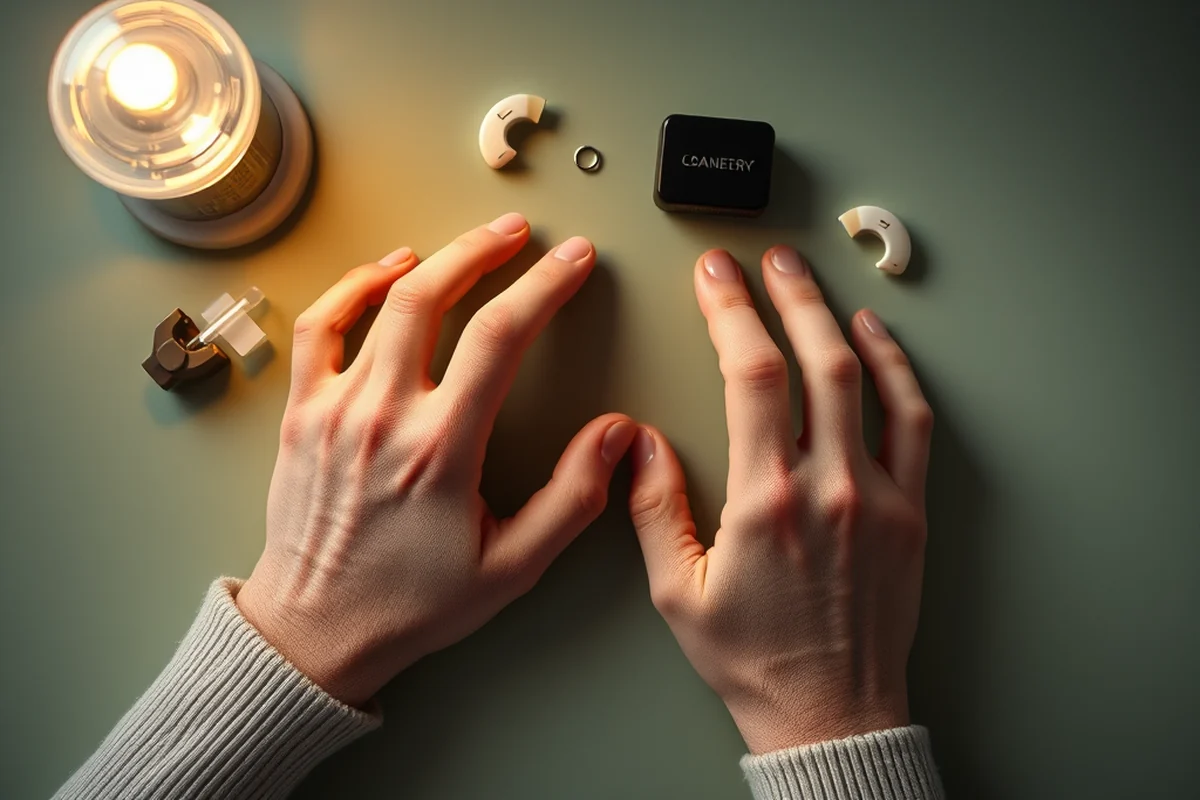
One of the most frustrating parts of managing Max’s hearing aid batteries is when they fail without warning. I’ve noticed that a failing battery can cause several signs, including a sudden drop in hearing ability, erratic behavior, and even confusion. These signs are not always obvious, which is why it’s important to be vigilant.
I’ve learned that one of the most common signs of a failing battery is when Max no longer responds to sounds that he used to hear clearly. For example, he used to hear the mail truck coming down the street, but now he doesn’t react to it at all. This is a clear sign that the battery is running low and needs to be replaced.
Another sign is when Max starts to exhibit strange behaviors, such as not coming when called or acting disoriented. I’ve had to replace his battery several times because of these signs, and each time, I’ve noticed that his behavior returns to normal once the battery is replaced. This has taught me the importance of being proactive in monitoring his battery life.
Related: What is hearing aid
How to Store and Replace Hearing Aid Batteries Safely
Storing hearing aid batteries properly is just as important as choosing the right type. I’ve found that storing them in a cool, dry place away from direct sunlight and moisture helps them last longer. I keep Max’s batteries in a small container that’s labeled and kept in a drawer, which has prevented any accidental exposure to heat or humidity.
When replacing the batteries, it’s important to make sure you’re using the correct type for your pet’s hearing aid. I’ve had to replace a few batteries with the wrong type, and it caused some issues with the device’s performance. Now, I always double-check the battery type before inserting it into the hearing aid.
I’ve also learned that it’s a good idea to replace the batteries even if the hearing aid still seems to be working. I’ve noticed that some batteries can still function but are nearing the end of their life, which can lead to sudden failure. Replacing them regularly helps prevent this and keeps Max’s hearing aid performing at its best.
Related: Phonak hearing aids for kids
When to Consult a Vet About Hearing Aid Batteries
There are times when hearing aid batteries just don’t seem to work no matter how many times you replace them. For Max, this happened once when the battery kept dying within a few hours of being inserted. I took him to the vet, and it turned out the hearing aid itself was malfunctioning, not the battery. This was a relief because I didn’t have to keep replacing batteries endlessly.
I’ve also learned that if your pet is showing signs of distress or confusion that seem unrelated to the battery, it’s a good idea to consult a vet. In some cases, hearing aid issues can be a sign of a more serious underlying condition, and it’s important to rule that out.
I’ve found that my vet is a valuable resource with hearing aid batteries for senior pets. She’s helped me choose the right type of battery, troubleshoot issues, and even recommended a new hearing aid when the old one was no longer functioning properly. Her advice has been invaluable in keeping Max’s hearing aid working well.
When in doubt, consult your vet—it could save you time, money, and stress.
Related: Can hearing loss affect balance
The Impact of Hearing Aid Batteries on Senior Pet Communication
For senior pets, hearing aid batteries are not just a small part of their daily routine—they’re a critical component of their ability to communicate and interact with the world around them. When the battery is low or fails, it can lead to a breakdown in communication between the pet and their owner, which can be stressful for both parties.
I’ve noticed that when Max’s battery is running low, he becomes more withdrawn and less responsive to my calls. This can make it difficult for me to know where he is or what he needs. It’s also a source of anxiety for him, as he may not understand why I’m not responding to him.
When the battery is working properly, however, Max is more engaged and responsive. He hears the doorbell, the sound of the vacuum cleaner, and even the distant voices of other pets in the neighborhood. This level of awareness is crucial for his well-being and happiness.
🦴 Senior Pet Hearing Aid Battery
Tailored for aging pets, these batteries offer long-lasting performance and easy-to-read indicators for low battery.
🐶 Small Breed Hearing Aid Battery
Designed for small pets, these batteries are compact and efficient, ensuring that even the smallest hearing aids run smoothly.
🏠 Multi-Pet Home Hearing Aid Battery
Ideal for homes with multiple pets, these batteries are durable and come in bulk packs to save time and money.
💰 Budget-Friendly Hearing Aid Battery
An affordable option for pet owners who want reliable performance without breaking the bank.
🧳 Travel-Friendly Hearing Aid Battery
Perfect for pet owners who are always on the move, these batteries are lightweight, easy to carry, and long-lasting.
| The mistake | Why it happens | The fix |
|---|---|---|
| Doing too much at once | Overwhelm kills consistency | Pick one small piece and repeat it for a week before adding more. |
| Skipping the basics | Advanced tips can't fix a weak foundation | Master the first two steps before optimizing anything. |
Hearing Aid Battery
Common Questions
How often should I replace my pet’s hearing aid battery?
Can I use rechargeable batteries for my pet’s hearing aid?
What should I do if the battery indicator on the hearing aid is not working?
Are there any risks associated with using the wrong type of battery?
References
- The Counseling Advantages of Rechargeable Hearing Aid Batteries (academicworks.cuny.edu)
- OTICON, INC. OTICON OPN MINIRITE BTE (HEARING AIDS) (accessdata.fda.gov)
- PREPARING FOR FUNCTIONAL AND ACCESS NEEDS IN AN ... (alabamapublichealth.gov)
- Battery, Sonotone X-42 Hearing Aid (americanhistory.si.edu)
- Concealed Hearing Devices of the 20th Century - Online Exhibitions (beckerexhibits.wustl.edu)
Cite this guide
Senior Pet Hearing Loss (2026). Hearing Aid Battery. https://hearingharbor.com/hearing-aid-battery/
Feel free to cite or share this guide.
Senior Pet Hearing Check
Scores everyday signs of hearing loss in senior pets.
Open it free →