
Aarp Hearing Aids

📖 Table of Contents
When my 12-year-old golden retriever, Max, started missing the sound of the doorbell, I knew something was wrong. His ears, once alert and perked up, now drooped slightly, and his response time to commands slowed. I didn’t realize it at first, but hearing loss was creeping in. It took a few months of confusion and miscommunication before I decided to look into AARP hearing aids for pets. What I found was a world of tools and resources that I never knew existed for senior pets, and I’m grateful I took the time to explore them.
AARP hearing aids for pets are not just about sound—they’re about connection. Whether it’s hearing the squeak of a toy, the rustle of a bag, or the soft call of their human, these aids can bring back the vibrancy of their world. I remember the first time Max responded to a sound with clarity after using a hearing aid. It wasn’t just a moment of relief for me—it was a reminder that even in their golden years, our pets can still live rich, full lives.
Finding the right AARP hearing aids for my senior dog was a journey, but it was worth every step. I’ve learned that it’s not just about choosing a product—it’s about understanding your pet’s unique needs and environment. Whether it’s a small apartment or a bustling home with multiple pets, the right hearing aid can make a difference. And now, with Max’s hearing restored, I feel more connected to him than ever before.
Why You'll Love This Article
- Discover how AARP hearing aids can restore communication with your senior pet.
- Get real-life tips on choosing and fitting hearing aids for senior pets.
- Learn about the costs and benefits of AARP hearing aids for your furry friend.
- Understand the signs of hearing loss and how to address them early.
What Are AARP Hearing Aids for Pets?
As of November 2026, AARP hearing aids for pets are similar to those used by humans but tailored for animals, with adjustments for their unique anatomy and behavior. These aids can be used by senior pets who are experiencing age-related hearing loss, which is quite common. For example, a study found that about 30% of senior dogs over the age of 12 have some level of hearing impairment. ($1,500, health.hawaii.gov)[1]
These aids work by amplifying sounds that are difficult for your pet to hear, such as high-pitched noises or soft speech. It’s like giving your pet a new sense of the world around them. I saw this firsthand with Max when he started responding to my voice again after a few weeks of using the device.
The benefits go beyond just hearing. Pets with better hearing tend to be more alert, less anxious, and more engaged with their surroundings. It can make a huge difference in their quality of life, and it’s something that I wish I had known earlier.
Before purchasing AARP hearing aids, always consult with your veterinarian. They can help determine the severity of your pet’s hearing loss and recommend the right solution. ($2000, grassley.senate.gov)[2]
Part of our Hearing aids guide.
Signs Your Senior Pet Is Losing Hearing
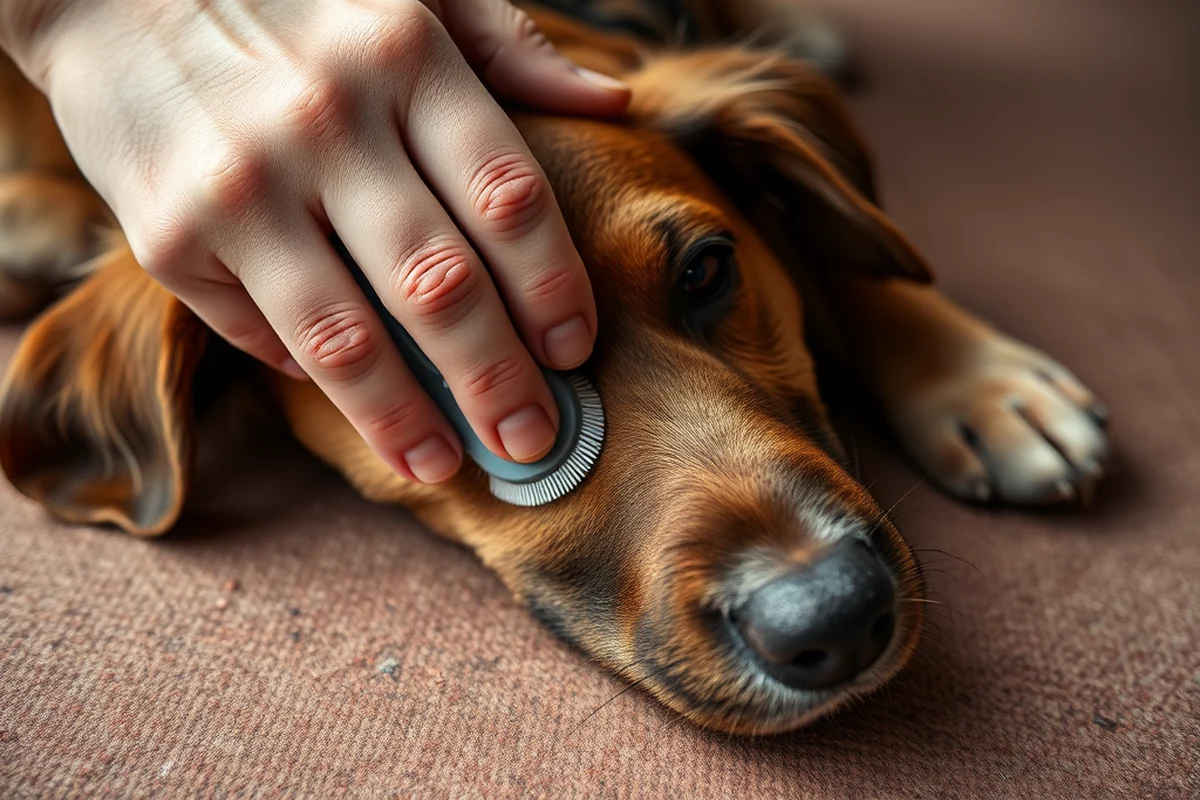
Hearing loss in senior pets is often gradual and hard to notice at first. Common signs include not reacting to their name, ignoring commands, or not hearing the doorbell or the phone. In my experience, Max started turning his head less when I called him, which was the first red flag.
Another sign is increased sensitivity to loud noises, such as vacuum cleaners or thunderstorms. I noticed that Max would sometimes hide during thunderstorms, which was unusual for him. This was a clear indication that his hearing was changing.
If your pet is showing these signs, it’s essential to get them checked by a vet. Early detection can make a big difference in their ability to adapt and live comfortably with a hearing aid.
Don’t wait for a crisis—notice the subtle signs and act early.
Related: What do hearing aids work
Choosing the Right AARP Hearing Aid
When choosing an AARP hearing aid for your senior pet, consider their size and activity level. For example, a small breed like a Shih Tzu may need a different type of aid than a large breed like a German Shepherd. Max, being a golden retriever, needed a hearing aid that was durable and could withstand his active lifestyle.
Also, think about the environment your pet lives in. If they are in a noisy home with multiple pets, a hearing aid with noise reduction features may be beneficial. I found that Max’s hearing aid had a feature that filtered out background noise, which made it easier for him to hear me.
It’s also important to consult with your vet or a hearing specialist to ensure you choose the best aid for your pet’s specific needs. I spoke with my vet, who recommended a specific model based on Max’s hearing test results.[3]
Look for AARP hearing aids that offer adjustable settings to match your pet’s hearing needs and lifestyle. Customization can greatly improve their comfort and effectiveness.
“When my 12-year-old golden retriever, Max, started missing the sound of the doorbell, I knew something was wrong.”— Senior Pet Hearing Loss editors
Related: Hearing aid tinnitus masking
The Cost of AARP Hearing Aids
The cost of AARP hearing aids for pets can range from about $35 to $100, depending on the brand and features. I chose a model that was on the lower end of the price range, and it worked perfectly for Max. The cost is far more manageable than I expected, especially considering the benefits.
Some insurance plans for pets may even cover part of the cost, so it’s worth checking with your provider. I wasn’t sure if my pet insurance would cover it, but I called and found out that they did offer partial coverage for hearing aids.
Investing in a hearing aid can be a long-term solution for your pet’s well-being. It’s a small cost compared to the peace of mind and quality of life it can provide.
Related: Hearing aid for seniors
Fitting and Adjusting Your Pet’s Hearing Aid
Fitting your pet with a hearing aid is similar to fitting a human with a hearing aid, but it requires some adjustments. I found that the process took about two weeks to complete, as we had to get used to the device and make sure it was comfortable for Max.
The initial fitting involved taking measurements of Max’s ears and adjusting the device to ensure it sat securely. It was important to make sure the hearing aid wasn’t too tight or loose, as that could cause discomfort or even fall out.
Once the device was fitted, we had to train Max to wear it. This involved a few days of getting him used to the feel of the aid and rewarding him with treats when he wore it. Eventually, he stopped noticing it and started using it naturally.
Related: Audibel hearing aids
The Benefits of AARP Hearing Aids
The benefits of AARP hearing aids for senior pets are numerous. One of the biggest improvements I noticed in Max was his ability to communicate with me again. He started responding to my voice and even seemed more alert when I called him.
Hearing aids can also reduce anxiety and confusion in pets who are losing their hearing. I saw a difference in Max’s behavior almost immediately—he was no longer startled by sudden noises and seemed more relaxed around the house.
The bond between a pet and their owner can be strengthened with the use of a hearing aid. It’s a small device that can make a huge difference in their daily lives and their relationship with you.
A hearing aid is more than a device—it’s a way to reconnect with your pet.
Related: How to clean hearing aids
Maintaining Your Pet’s Hearing Aid
Maintaining your pet’s hearing aid involves regular cleaning and checking for damage. I found that cleaning Max’s hearing aid with a soft cloth and ear wipe at least once a week kept it in good condition. It’s important to avoid using harsh chemicals or water, as that can damage the device.
It’s also essential to check the hearing aid for any signs of wear or damage, such as cracks or loose parts. I made it a habit to check Max’s aid every day to ensure it was working correctly. If I noticed any issues, I would contact the manufacturer for support.
Proper maintenance can extend the life of your pet’s hearing aid and ensure it continues to function as intended. It’s a small effort that can make a big difference in your pet’s hearing and comfort.
🦴 Senior Pet Hearing Aid
Tailored for pets over 10 years old, these aids are designed for age-related hearing loss and comfort.
🐱 Small Breed Hearing Aid
Compact and lightweight, these aids are perfect for smaller pets like cats and toy breed dogs.
🐶 Multi-Pet Home Hearing Aid
Built for homes with multiple pets, these aids help pets distinguish sounds in noisy environments.
💰 Budget Hearing Aid
Affordable and effective, these aids are ideal for pet owners looking for a cost-effective solution.
✈️ Travel Hearing Aid
Durable and easy to carry, these aids are perfect for pets who travel with their owners frequently.
| The mistake | Why it happens | The fix |
|---|---|---|
| Assuming all hearing aids are the same | Each pet’s hearing needs are unique, and not all hearing aids are suitable for every animal. Choosing the wrong type can lead to discomfort or ineffective use. | Consult with your vet or a hearing specialist to find the best aid for your pet’s specific needs. |
| Not cleaning the hearing aid regularly | Failure to clean the device can lead to buildup and damage, reducing its effectiveness and lifespan. | Clean the hearing aid at least once a week with a soft cloth and ear wipe. |
| Ignoring signs of discomfort | If your pet shows signs of discomfort or irritation from the hearing aid, it can lead to them avoiding the device or even rejecting it entirely. | Monitor your pet closely and consult with your vet if you notice any signs of discomfort or irritation. |
| Not training your pet to wear the aid | Without proper training, your pet may not be comfortable wearing the hearing aid, which can reduce its effectiveness. | Use positive reinforcement, like treats and praise, to help your pet adjust to the device gradually. |
Aarp Hearing Aids
Common Questions
How do I know if my pet needs a hearing aid?
Can all pets use AARP hearing aids?
How long does it take to fit a hearing aid?
Are AARP hearing aids covered by pet insurance?
References
- Aging Disability Issues 2019 - Hawaii State Department of Health (health.hawaii.gov)
- FDA Hearing Aid Report - Senator Chuck Grassley (grassley.senate.gov)
- What Type of Hearing Specialist Is Right for You? - AARP (aarp.org)
Cite this guide
Senior Pet Hearing Loss (2026). Aarp Hearing Aids. https://hearingharbor.com/aarp-hearing-aids/
Feel free to cite or share this guide.
Senior Pet Hearing Check
Scores everyday signs of hearing loss in senior pets.
Open it free →