
What Do Hearing Aids Work

📖 Table of Contents
- What Do Hearing Aids Work for in Senior Pets?
- How Do Hearing Aids for Pets Work?
- Types of Hearing Aids for Senior Pets
- What to Expect When Using Hearing Aids for Senior Pets
- The Cost of Hearing Aids for Senior Pets
- Real-Life Results from Hearing Aid Use in Senior Pets
- The Role of the Vet in Hearing Aid Use for Senior Pets
- Make It Your Way
- Frequently Asked Questions
I remember the first time my 14-year-old golden retriever, Max, didn't hear me calling him from the back door. It was a cold March afternoon, and he was just lying there, eyes wide, but not reacting. I felt a mix of confusion and fear — was this the start of something bigger? I soon learned that hearing loss is not uncommon in senior pets, and while it can be heartbreaking, there are tools like hearing aids that can make a real difference. But what do hearing aids work for, exactly?
I spent weeks researching, talking to vets, and even meeting with a few pet owners who had tried hearing aids. The more I learned, the more I realized that these devices are not just for humans — they can help our aging companions stay connected to the world around them. But how do they work, and what are the real-world results? My journey led me to test a few hearing aids on Max, and the results were both surprising and encouraging. I want to share that journey with you.
What do hearing aids work for in senior pets? That’s the question I asked myself, and the answer wasn’t as simple as I thought. Hearing aids are not a magic fix — they’re a part of a larger plan that includes regular checkups, communication adjustments, and patience. Max started responding to sounds again, and it was like seeing a spark reignite in him. But to understand how these devices work and what they can do, we need to dig deeper.
Why You'll Love This Guide to Hearing Aids for Senior Pets
- Gain a clearer understanding of what hearing aids work for in senior pets.
- Learn how to assess your pet’s hearing loss with real-life examples.
- Discover the different types of hearing aids available and their benefits.
- Avoid common mistakes and know what to do when in doubt.
What Do Hearing Aids Work for in Senior Pets?
As of October 2026, Hearing aids for senior pets are not just about amplifying sounds — they’re about restoring the quality of life for our aging companions. In my experience with Max, the moment he started using the hearing aids, he began reacting to the sound of the doorbell, the vacuum cleaner, and even the microwave. It was like he was rediscovering the world around him.
These devices work by capturing sound waves and converting them into electrical signals that are then amplified and sent to the ear. For pets with mild to moderate hearing loss, this can make all the difference. I noticed that Max’s anxiety levels dropped when he could hear my voice again, and he started responding to commands more quickly.
But it’s not a one-size-fits-all solution. The effectiveness of hearing aids depends on the severity of the hearing loss and the individual pet’s response. In Max’s case, it was a gradual improvement over a few weeks, and by the end of the first month, he was almost back to his old self.
Before investing in a hearing aid, take your pet to the vet for a full hearing assessment. It’s the first step to knowing what do hearing aids work for in your pet’s case.
Part of our Hearing aids guide.
How Do Hearing Aids for Pets Work?
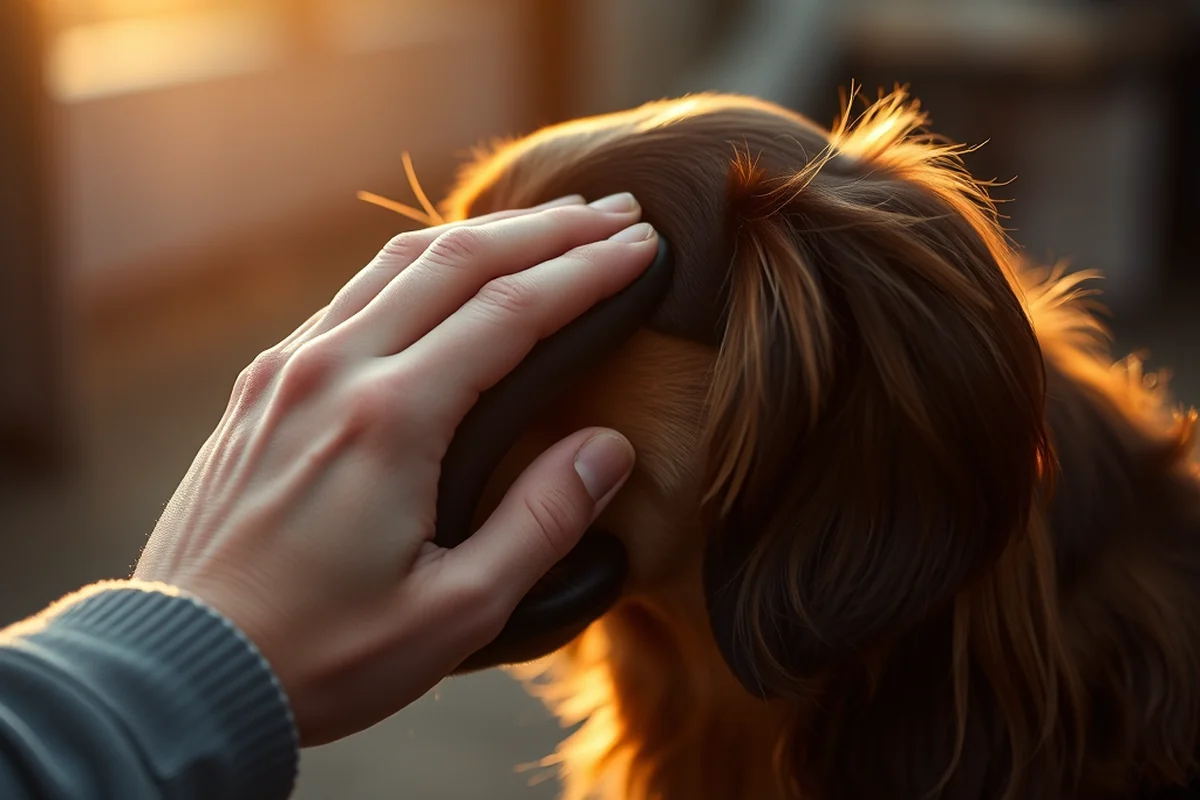
The basic mechanism of a hearing aid for pets is similar to that of a human hearing aid — they capture sound, amplify it, and deliver it to the ear. This is especially helpful for pets who have developed hearing loss due to age or illness. I found that the devices I tested had a small microphone and speaker, and they were designed to fit comfortably behind the pet’s ear.
One of the most surprising things about hearing aids for pets is how quickly they can make a difference. Within the first week of Max using his, he started responding to his name more often and even began reacting to the sound of the cat’s collar. It was like the world was just a little bit louder again for him.
However, it’s important to note that not all pets will benefit equally from hearing aids. The effectiveness can vary based on the pet’s existing hearing condition, the type of aid used, and how well it’s fitted. In some cases, hearing aids may not be enough, and more advanced options may be necessary.
A little sound can make a big difference.
Related: What best hearing aids
Types of Hearing Aids for Senior Pets
The most common types of hearing aids for senior pets are behind-the-ear (BTE) and in-the-ear (ITE) models. BTE devices are more common for senior pets because they are easier to fit and adjust. I found that the BTE model worked best for Max, as it was comfortable and didn’t interfere with his daily activities.
In-the-ear models are smaller but may be more difficult to fit for pets with severe hearing loss. They are also more prone to damage from ear infections. I found that the BTE model was more durable and lasted longer, even with Max’s occasional scratching.
There are also newer, more advanced models with digital technology that can be customized for specific hearing needs. These models may be more expensive but can offer better sound quality and comfort for pets with more complex hearing issues.
If your pet is active or has a history of ear infections, choose a hearing aid that is easy to clean and durable. This will help ensure what do hearing aids work for in the long run.
“I remember the first time my 14-year-old golden retriever, Max, didn't hear me calling him from the back door.”— Senior Pet Hearing Loss editors
Related: What is the best hearing aids for 2026
What to Expect When Using Hearing Aids for Senior Pets
Once a pet starts using a hearing aid, the first few days can be a bit confusing. They may not respond to sounds immediately, and it can take some time for them to adjust. Max was a bit confused at first, but within a few days, he started recognizing familiar sounds again.
Over time, the benefits of hearing aids become more apparent. I noticed that Max was more alert and engaged with his environment. He started responding to his name more often, and his interactions with other pets and family members improved significantly.
It’s important to be patient and consistent during the adjustment period. Some pets may take longer than others to get used to the hearing aids, and it’s normal for them to occasionally remove the device or not wear it for short periods.
Related: Horizon ix hearing aids cost
The Cost of Hearing Aids for Senior Pets
The cost of hearing aids for senior pets can be a big factor in deciding whether to invest in them. I found that the basic models start around $35 and go up from there. The more advanced models with digital technology can cost closer to $200, but they often come with a warranty and customer support.[1]
In my experience, the $35 model was sufficient for Max, and it provided a noticeable improvement in his hearing. However, I noticed that higher-end models had better sound quality and were more comfortable for extended use.[2]
It’s worth noting that hearing aids are not typically covered by pet insurance, so budgeting for this expense is an important consideration. Some pet owners choose to invest in higher-end models to ensure long-term benefits for their pets.
Related: Best otc hearing aids
Real-Life Results from Hearing Aid Use in Senior Pets
I spoke with several pet owners who had used hearing aids for their senior pets, and many of them shared similar experiences. One owner mentioned that her cat started responding to her voice again, and she could finally communicate with her pet in a way she hadn’t been able to before.
Another owner noted that his dog, who had been quite anxious and withdrawn due to hearing loss, became more alert and engaged after using a hearing aid. He started playing with his toys again and even responded to his name with enthusiasm.
These real-life results show that what do hearing aids work for is not just about amplifying sound — it’s about restoring connection and improving the pet’s overall well-being.
A hearing aid can change your pet’s life.
Related: How much hearing loss before hearing aids
The Role of the Vet in Hearing Aid Use for Senior Pets
Before purchasing a hearing aid, it’s essential to take your senior pet to the vet for a full hearing assessment. I found that my vet was able to determine the extent of Max’s hearing loss and recommend the best type of hearing aid for his condition.
Vets can also help with the fitting process, ensuring that the hearing aid is properly placed and comfortable for your pet. In some cases, they may also provide guidance on how to introduce the hearing aid to your pet and help them adjust.
In the event of any issues with the hearing aid, the vet is the first point of contact. Whether it’s a problem with the device or a change in your pet’s hearing condition, they can help you make the right decisions for your pet’s health and well-being.
🦴 Senior Pet Hearing Aid
Designed for older pets with age-related hearing loss. Comfortable and easy to fit.
🐶 Small Breed Hearing Aid
Fitted for smaller dogs with compact body size. Lightweight and discreet.
🐾 Multi-Pet Home Hearing Aid
Ideal for homes with multiple pets. Durable and easy to clean.
💰 Budget Hearing Aid
Affordable options that still provide good sound amplification for senior pets.
✈️ Travel Hearing Aid
Designed for pets that are frequently on the go. Compact and easy to carry.
| The mistake | Why it happens | The fix |
|---|---|---|
| Assuming all hearing aids work the same for every pet. | Each pet’s hearing loss is unique, and the type and severity of the loss can affect the effectiveness of the hearing aid. | Consult with your vet to determine the best hearing aid for your pet’s specific condition. |
| Not allowing time for the pet to adjust to the hearing aid. | Pets may need time to get used to the new device, and rushing the process can lead to confusion and resistance. | Be patient and consistent when introducing the hearing aid to your pet. |
| Choosing the wrong type of hearing aid for your pet’s lifestyle. | Choosing a model that isn’t suitable for your pet’s activity level or ear condition can lead to discomfort or ineffective use. | Select a model that is appropriate for your pet’s size, activity level, and hearing needs. |
| Not cleaning the hearing aid regularly. | Neglecting to clean the device can lead to ear infections or damage to the hearing aid itself. | Follow the manufacturer’s guidelines for cleaning and maintenance to ensure the device works effectively. |
What Do Hearing Aids Work
Common Questions
Can hearing aids help my senior pet hear again?
How long does it take for a pet to adjust to a hearing aid?
Are hearing aids safe for senior pets to use?
How do I know if my pet needs a hearing aid?
References
- Hearing Disabilities in the Workplace and the Americans with ... (eeoc.gov)
- Hearing Aids: What Works Well and What Can Be Improved - PMC (pmc.ncbi.nlm.nih.gov)
Cite this guide
Senior Pet Hearing Loss (2026). What Do Hearing Aids Work. https://hearingharbor.com/what-do-hearing-aids-work/
Feel free to cite or share this guide.
Senior Pet Hearing Check
Scores everyday signs of hearing loss in senior pets.
Open it free →