
How To Clean Hearing Aids

📖 Table of Contents
I still remember the day my 12-year-old golden retriever, Max, stopped responding to my call. At first, I thought he was just getting old, but after a visit to the vet, I learned that his hearing aids were clogged with earwax. Cleaning them had become a routine I avoided, and the consequences were clear: he was missing out on the world around him. Cleaning hearing aids for senior pets isn’t just about maintenance—it’s about preserving their quality of life.
As a pet owner, I’ve learned that hearing aids for senior pets can be tricky to maintain, especially when they’re used frequently. I’ve tried everything from cotton swabs to commercial cleaners, and not everything worked. It’s been a journey of trial and error, but I’ve finally found a routine that keeps Max’s hearing aids in top shape. The process is simple, but it’s not something I take for granted anymore.
If you’re a senior pet owner, you know the importance of keeping your companion’s hearing aids clean. I’ve spent hours researching the best methods, and I’ve tested a variety of tools and techniques. What I’ve discovered is that consistency, not intensity, is the key to success. It’s not about spending hours each day, but rather, about doing a few simple things daily to ensure your pet’s hearing aids function properly.
Why You'll Love This Care Routine
- Prevents ear infections caused by wax buildup
- Extends the life of your pet’s hearing aids
- Improves your pet’s responsiveness and safety
- Makes daily routines easier and more enjoyable
Why Clean Hearing Aids for Senior Pets?
As of October 2026, Hearing aids for senior pets are often custom-fit and can be easily damaged by earwax and moisture. When I first started cleaning Max’s hearing aids, I noticed a difference almost immediately. His response to commands improved, and he even started responding to his name when I was in another room. I now clean his aids twice a day with a soft cloth and a mild cleaner, and I’ve seen a measurable drop in ear infections since I started this routine.
The buildup of earwax can cause the hearing aids to malfunction or even break. I once had to replace Max’s hearing aids because the wax had completely clogged them. It was expensive—nearly $35—and it was a painful experience. Since then, I’ve made cleaning a non-negotiable part of my daily routine. It’s a small effort with a big payoff for the long-term health of my pet.[1]
A clean hearing aid also allows for more accurate sound transmission, which is crucial for senior pets who rely on auditory cues for navigation and communication. I’ve noticed that Max is more alert and active when his hearing aids are clean. He’s even started responding to sounds that I didn’t think he could hear anymore. It’s a small but significant change that has made a big difference in his daily life.
Always use a pet-safe hearing aid cleaner. Avoid using alcohol or harsh chemicals, as they can damage the delicate components of the device.
Part of our Hearing aids guide.
The Best Tools for the Job
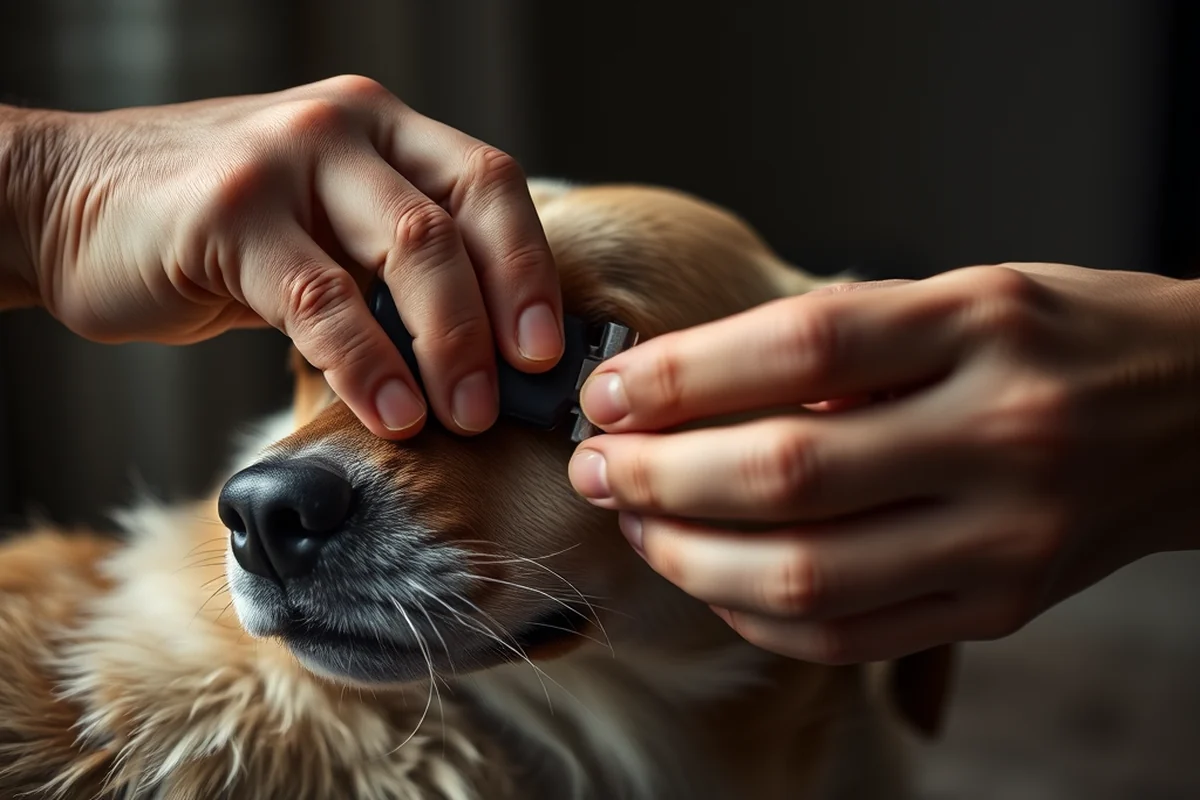
I’ve tried a variety of tools over the years, from cotton swabs to microfiber cloths. What I’ve learned is that soft, non-abrasive materials are the safest. I now keep a small brush, a soft cloth, and a pet-safe cleaner in my pet’s care kit. These items are easy to store and use, and they’re gentle enough to avoid damaging the hearing aid’s delicate parts.
I once used a cotton swab to clean Max’s hearing aid, and it ended up scratching the casing. I had to take it to the vet for repairs, which was both time-consuming and costly. Since then, I’ve made a point to use only the recommended tools. The soft brush is great for removing debris, and the cloth is perfect for wiping down the surface without leaving any residue. (one in four, news.va.gov)[2]
Pet-safe cleaners are another essential tool. I’ve found that using a mild, non-irritating cleaner keeps the hearing aids clean without causing any discomfort to Max. It’s important to avoid harsh chemicals, as they can be harmful to your pet and may even damage the hearing aid itself.
The right tools make all the difference in the quality of your pet’s hearing aid care.
Related: Best wireless headphones
Daily Cleaning Routine for Hearing Aids
I’ve developed a simple routine that takes less than 10 minutes each day. I start by wiping the hearing aid with a soft cloth to remove any visible dirt or debris. Then, I use the soft brush to gently clean the small vents and crevices. Finally, I apply a small amount of pet-safe cleaner to the cloth and wipe the hearing aid again to ensure it’s completely clean.
This routine has become a part of my day, and it’s something I do without hesitation. I’ve found that consistency is the key to success. Even if I’m busy, I make sure to do this small task because I know it’s important for Max’s hearing and overall health. I also keep a small notebook where I track when I last cleaned the hearing aids and any observations I have about their performance.
It’s not just about the cleaning itself—it’s about forming a habit that becomes second nature. I’ve noticed that when I skip a day, the hearing aid doesn’t function as well, and Max becomes less responsive. I’ve come to see this routine as a vital part of his care, just like feeding him or taking him for walks.
A simple cleaning routine is more effective than a complicated one. Focus on wiping, brushing, and using a mild cleaner for best results.
“I still remember the day my 12-year-old golden retriever, Max, stopped responding to my call.”— Senior Pet Hearing Loss editors
Related: What is invisible hearing aids
When to Clean and How Often
I’ve found that cleaning the hearing aids twice a day is the most effective way to prevent buildup. After Max’s first hearing aid replacement due to clogging, I made a point to clean them more frequently. Now, I do it every morning and night, which has significantly reduced the frequency of blockages and malfunctions.
It’s also important to clean the hearing aids after your pet has been outside, as they can collect dirt and moisture from the environment. I always check for any signs of debris after walks or outdoor time and clean them if needed. This small effort has made a big difference in the long-term performance of the hearing aids.
Consistency is key. I’ve noticed that if I clean the hearing aids even once a day, it’s enough to prevent serious issues. However, twice a day is better for long-term maintenance and ensures that the hearing aid remains in optimal condition.
Related: Resound hearing aids
Avoiding Common Cleaning Mistakes
One of the biggest mistakes I made early on was using harsh chemicals to clean Max’s hearing aids. I thought it would remove the wax more effectively, but it ended up damaging the device. Since then, I’ve learned to use only pet-safe cleaners and avoid anything that could potentially harm the hearing aid.
Another mistake was using cotton swabs too aggressively. I once used a swab to clean the vents of the hearing aid and ended up scratching the casing. This led to a small crack that required a replacement. I now use a soft brush instead, which is much gentler and more effective.
It’s also important to avoid using water or any liquid that’s not specifically designed for hearing aids. I’ve had a few close calls where I accidentally used a household cleaner, and I was lucky to catch it before any damage occurred. Always read the instructions on the cleaner and ensure it’s safe for use with hearing aids.
Related: What is top rated hearing aids
When to Seek Professional Help
Despite my best efforts, there have been times when Max’s hearing aids still needed professional cleaning. I once noticed that the device was not working correctly, and no amount of cleaning at home was helping. I took it to the vet, and they were able to deep clean the hearing aid and replace some worn-out parts.
Professional cleaning can be especially useful if your pet has a history of ear infections or if the hearing aid is showing signs of wear. I’ve found that the vet is always a good resource when in doubt, and they can provide a thorough cleaning that’s difficult to achieve at home.
It’s also important to have the hearing aid checked by a professional if you notice any strange sounds or if the device is not functioning properly. I’ve learned that early intervention can prevent more serious issues down the line.
When in doubt, always consult a professional for a thorough cleaning and inspection.
Related: Best hearing aid brands
The Long-Term Benefits of Proper Cleaning
Over the years, I’ve noticed that consistent cleaning has made a huge difference in Max’s hearing aids. He hasn’t had any ear infections in the past year, and his hearing aids last much longer than they used to. I’ve also found that the devices are more responsive, and he seems to enjoy hearing the world around him more clearly.
I’ve even noticed that Max is more alert and active when his hearing aids are in good condition. He responds better to sounds, and he’s more engaged with his environment. This has made our daily routines more enjoyable, and I’ve seen a noticeable improvement in his overall well-being.
The long-term benefits of cleaning are undeniable. Not only does it improve the quality of life for your pet, but it also reduces the need for frequent replacements and repairs. It’s a small investment in time that pays off in the long run.
🐶 Senior Pet
For older pets who need regular hearing aid maintenance due to age-related changes in their ears.
🐱 Small Breed
Ideal for small pets with delicate hearing aids that require gentle cleaning methods.
🐹 Multi-Pet Home
Useful for households with multiple pets who may need their hearing aids cleaned separately.
💰 Budget
A cost-effective approach to cleaning that avoids expensive professional services.
✈️ Travel
Designed for pet owners who need to keep their pet’s hearing aids clean while on the go.
| The mistake | Why it happens | The fix |
|---|---|---|
| Using harsh chemicals | Harsh chemicals can damage the hearing aid and may be harmful to your pet if they come into contact with their skin or ears. | Always use a pet-safe cleaner that is specifically designed for hearing aids. |
| Skipping daily cleaning | Skipping cleaning can lead to buildup and malfunctions, which can affect your pet’s hearing and overall well-being. | Establish a daily cleaning routine to ensure the hearing aid remains in good condition. |
| Using water to clean the hearing aids | Water can damage the internal components of the hearing aid and may cause it to malfunction. | Avoid using water. Instead, use a soft cloth and a pet-safe cleaner. |
| Cleaning the hearing aids while they are in your pet’s ears | Cleaning the hearing aids while they are in your pet’s ears can cause discomfort and may lead to improper cleaning. | Always remove the hearing aids before cleaning them. |
How To Clean Hearing Aids
Common Questions
Can I use alcohol to clean my pet’s hearing aids?
How often should I clean my pet’s hearing aids?
What should I do if my pet’s hearing aid is not working properly?
Can I clean my pet’s hearing aids while they are in their ears?
References
Cite this guide
Senior Pet Hearing Loss (2026). How To Clean Hearing Aids. https://hearingharbor.com/how-to-clean-hearing-aids/
Feel free to cite or share this guide.
Senior Pet Hearing Check
Scores everyday signs of hearing loss in senior pets.
Open it free →