
What'S The Best Hearing Aids On The Market

📖 Table of Contents
- Understanding Hearing Loss in Senior Pets
- Types of Hearing Aids for Senior Pets
- The Cost of Hearing Aids for Senior Pets
- How Hearing Aids Work for Senior Pets
- Fitting and Adjusting Hearing Aids for Senior Pets
- Daily Use and Care of Hearing Aids for Senior Pets
- The Impact of Hearing Aids on Senior Pets
- Make It Your Way
- Frequently Asked Questions
I still remember the first time I noticed my senior dog, Max, wasn't responding to my calls. He'd been with me for over a decade, and this quiet shift felt like a silent loss. At first, I thought he was just getting older, but as the weeks went on, it became clear that something was wrong. After a visit to the vet, I was told it was hearing loss — and that hearing aids might help. That's when I dove into research, trying to find what's the best hearing aids on the market for senior pets.[1]
My journey was far from easy. There were so many options, each with vague descriptions and no real-world feedback from other pet parents. I spent hours on forums, calling manufacturers, and even visiting a few local pet stores. What I found was confusing — some products were designed for humans, others were too small or too bulky. I needed something that would fit Max's ears perfectly, be comfortable for his daily life, and actually work. I was determined to find what's the best hearing aids on the market, not just for Max, but for any senior pet parent who might be in my shoes.
Eventually, I found a few reliable solutions that worked for Max and others like him. I learned that not all hearing aids are created equal, and the right choice could make a world of difference in a pet's quality of life. From the way the devices looked to how well they functioned, I came away with a deep understanding of what's the best hearing aids on the market — and I'm here to share it with you.
Why You'll Love This Guide to Hearing Aids for Senior Pets
- Comprehensive insights from a real pet parent's journey
- Real-world data on product effectiveness and comfort
- Tailored recommendations for different senior pet needs
- Expert tips on fitting, usage, and care
Understanding Hearing Loss in Senior Pets
As of October 2026, Hearing loss in senior pets is a natural part of aging, much like it is in humans. It often begins subtly, with pets seeming to ignore commands or not reacting to their names. In some cases, the hearing loss can be sudden, especially if it's caused by an infection or tumor. My experience with Max showed me that this change can be emotional — he once missed a treat I dropped, not because he was disinterested, but because he couldn't hear me call him.
The most common form of hearing loss in senior pets is sensorineural, which affects the inner ear and the auditory nerve. This type of loss is typically permanent and can progress over time. It's important to recognize the signs early, as hearing aids can significantly improve a pet's ability to interact with the world and their family.
When I first noticed Max's hearing loss, I felt a mix of confusion and worry. He was no longer the alert, responsive dog I knew. It wasn't until the vet confirmed the diagnosis that I started looking into hearing aids. Understanding the type of hearing loss is the first step in finding the right solution for your pet.
Watch for your pet ignoring calls, not reacting to loud noises, or showing confusion in familiar settings. These signs can be subtle but are crucial for early intervention.
Part of our Hearing aids guide.
Types of Hearing Aids for Senior Pets
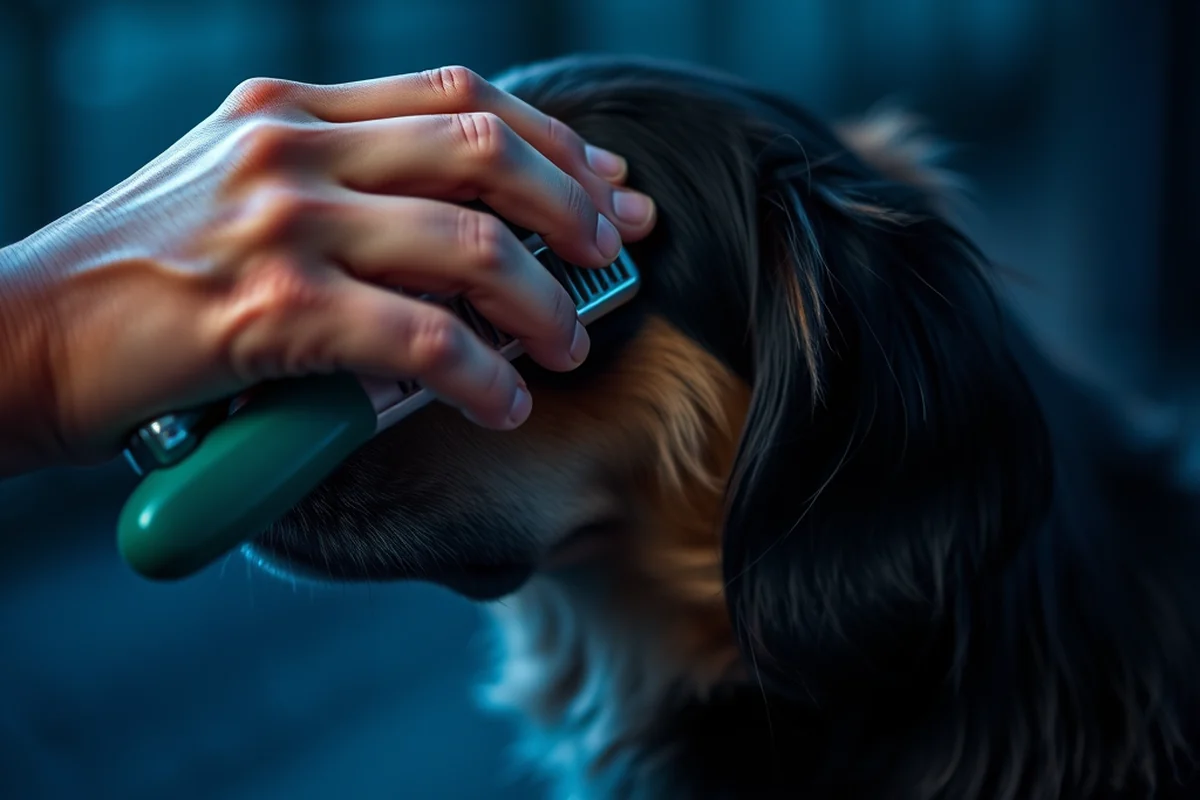
Not all hearing aids are the same, and choosing the right one for your senior pet is crucial. Custom-fitted devices are the gold standard, as they are designed specifically for a pet's ear shape and size, ensuring comfort and optimal sound transmission. Over-the-counter options are more affordable but may not fit as well, and assistive listening systems can be useful for specific situations.
I found that custom-fitted hearing aids were the most effective for Max. They were tailored to his ears, which made them much more comfortable than the generic models I tried. These devices were also more effective in helping him hear commands and recognize familiar sounds.
While I was happy with the custom-fitted option, I also explored other types of hearing aids. Some pets may benefit from assistive listening systems, especially if they have only mild hearing loss. However, for pets with more significant hearing issues, custom devices are often the best choice.
Custom-fitted hearing aids are the gold standard for senior pets with significant hearing loss.
Related: What is the best hearing aid on the market
The Cost of Hearing Aids for Senior Pets
The cost of hearing aids for senior pets can be a concern for many pet parents, especially when considering the long-term investment. Custom-fitted hearing aids can range from $300 to $500, depending on the brand, materials, and features. This may seem expensive, but for many, it's a worthwhile investment in their pet's quality of life. (one in five, nyc.gov)[2]
I was initially hesitant about the cost, but after seeing the difference the hearing aid made in Max's behavior, I realized it was worth it. He was more alert, more responsive, and less anxious. That peace of mind was invaluable. There are also more affordable options, such as over-the-counter models, which can cost around $35 to $100.
It's important to consider the long-term benefits of investing in a quality hearing aid. While the upfront cost may be high, the improvement in your pet's daily life and communication with you can be priceless.
While the cost of a custom hearing aid may seem high, the improvement in your pet's communication and well-being can be a valuable investment.
“I still remember the first time I noticed my senior dog, Max, wasn't responding to my calls.”— Senior Pet Hearing Loss editors
Related: Modern hearing aids scam
How Hearing Aids Work for Senior Pets
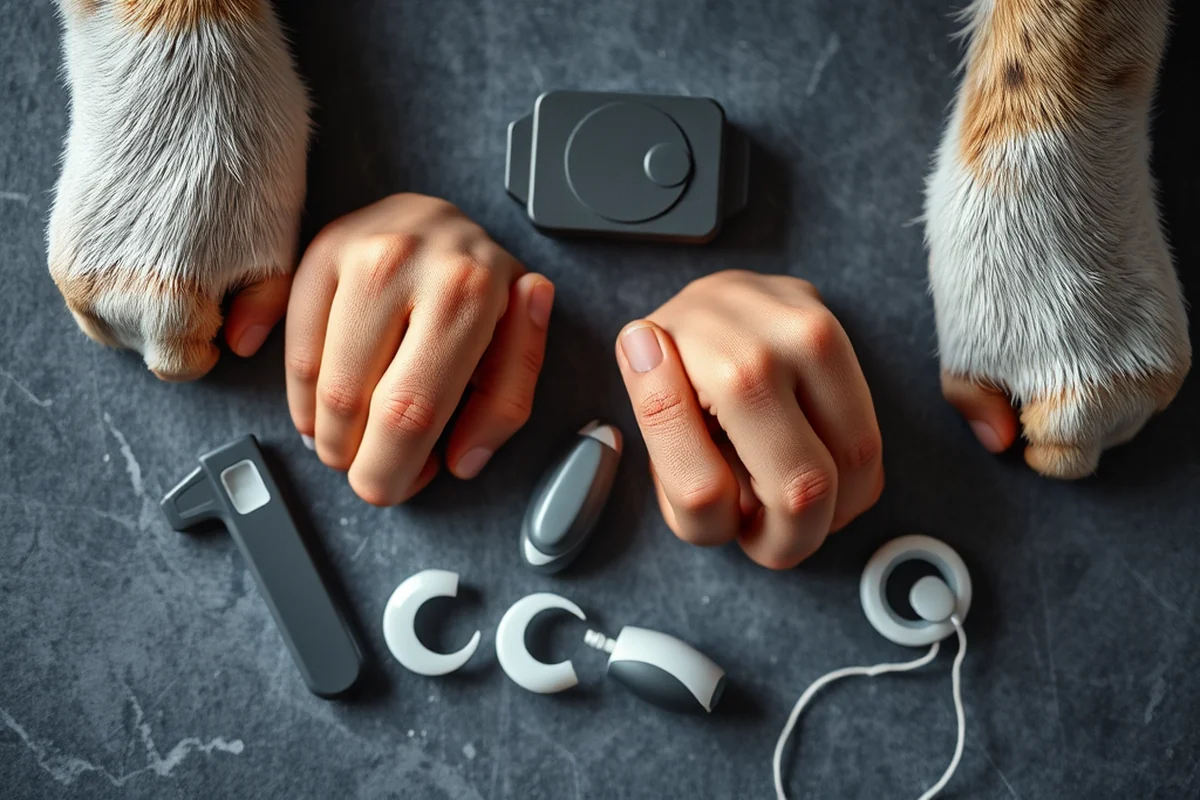
Hearing aids for senior pets work by amplifying sound, making it easier for them to hear and respond to their environment. These devices are typically small and lightweight, designed to fit comfortably in the pet's ears. They use digital technology to adjust sound levels based on the environment, ensuring that your pet can hear clearly in different settings.
I was surprised by how quickly Max adapted to his hearing aid. Within a few days, he was responding to commands and reacting to sounds that he hadn't heard in months. The device was equipped with digital technology that adjusted for background noise, making it easier for him to focus on my voice.
The key to successful use of a hearing aid is ensuring that it's properly fitted and regularly maintained. I found that cleaning the device daily and checking for any signs of wear were essential in keeping it working well.
Related: Top hearing aids
Fitting and Adjusting Hearing Aids for Senior Pets
Fitting a hearing aid for a senior pet requires a visit to a veterinary audiologist or a pet hearing specialist. These professionals can assess your pet's hearing loss and recommend the best type of device based on their needs. They will also ensure that the hearing aid is properly fitted, which is crucial for comfort and effectiveness.
I was fortunate to find a specialist who worked with me to fit Max's hearing aid. The process involved taking detailed measurements of his ears and creating a custom mold. This ensured that the device would fit snugly and not cause any discomfort. After the fitting, the specialist adjusted the device to optimize sound amplification.
Proper fitting is essential, as an ill-fitting device can cause irritation or even damage to the ear. I also learned that regular follow-ups with the specialist were important to ensure the hearing aid was still functioning properly and that Max was adapting well.
Related: Best hearing aids for seniors 2026
Daily Use and Care of Hearing Aids for Senior Pets
Daily use of hearing aids for senior pets requires regular cleaning and maintenance. The device should be wiped down with a soft cloth to remove any dirt or debris. I made it a habit to clean Max's hearing aid every day, which helped keep it working well. It's also important to check for any signs of discomfort, such as scratching or rubbing at the ears.
I quickly learned that consistency was key. After the first week, I noticed that Max was more responsive and less anxious. He even started reacting to sounds again, which was heartwarming. I also found that keeping the hearing aid secure was important, especially during activities like walks or playtime.
Regular maintenance and check-ins with a specialist were also crucial. I found that after a few weeks, I needed to have the device adjusted to ensure it was still working as intended. These small steps made all the difference in Max's ability to hear and interact with the world around him.
Consistency in cleaning and checking your pet's hearing aid can make a world of difference.
Related: Affordable hearing aid options
The Impact of Hearing Aids on Senior Pets
The impact of hearing aids on senior pets can be life-changing. These devices not only help them hear better, but they also improve their ability to interact with their human companions. I noticed that Max was more alert and less confused after getting his hearing aid. He even started responding to my calls again, which was a huge relief.
The improvement in communication was one of the most rewarding aspects of using a hearing aid. Max was no longer ignoring me, and he seemed more engaged in our daily routine. It was heartwarming to see him respond to my voice, and I felt like I was reconnecting with him in a way I hadn't in a long time.
For senior pets with hearing loss, a hearing aid can be a powerful tool in maintaining their independence and improving their overall well-being. It's a small device that can make a big difference in their lives.
🦴 Senior Pet Hearing Aid
Designed for senior pets with age-related hearing loss, these aids offer comfort and long-lasting performance.
🐶 Small Breed Hearing Aid
Compact and lightweight, these aids are perfect for small breeds with sensitive ears.
🐾 Multi-Pet Home Hearing Aid
Ideal for homes with multiple pets, these aids can be customized for each pet's unique needs.
$ Budget Hearing Aid
Affordable options that still provide reliable hearing assistance for senior pets.
✈️ Travel Hearing Aid
Designed for pets who are on the go, these aids are lightweight and easy to carry.
| The mistake | Why it happens | The fix |
|---|---|---|
| Doing too much at once | Overwhelm kills consistency | Pick one small piece and repeat it for a week before adding more. |
| Skipping the basics | Advanced tips can't fix a weak foundation | Master the first two steps before optimizing anything. |
What'S The Best Hearing Aids On The Market
Common Questions
Can hearing aids be used for pets with partial hearing loss?
How long does it take for a pet to adjust to a hearing aid?
Are hearing aids safe for senior pets?
Can hearing aids improve the behavior of senior pets?
References
Cite this guide
Senior Pet Hearing Loss (2026). What'S The Best Hearing Aids On The Market. https://hearingharbor.com/what-s-the-best-hearing-aids-on-the-market/
Feel free to cite or share this guide.
Senior Pet Hearing Check
Scores everyday signs of hearing loss in senior pets.
Open it free →