
Highest Rated Prescription Hearing Aids

📖 Table of Contents
- What Are Prescription Hearing Aids for Senior Pets?
- How to Choose the Right Hearing Aid for Your Senior Pet
- The Benefits of Using Prescription Hearing Aids for Senior Pets
- The Process of Fitting a Hearing Aid for Your Senior Pet
- The Importance of Regular Check-Ups for Hearing Aids
- What to Expect When Your Pet Starts Using a Hearing Aid
- How Hearing Aids Can Improve Your Senior Pet's Quality of Life
- Make It Your Way
- Frequently Asked Questions
The first time I noticed a change in my dog's hearing was during a walk in the park. He stopped responding to his name, and when I called him, he turned his head slowly, as if listening through thick fog. I had always thought hearing loss was something that happened to humans, but I was wrong — and I wish I had known sooner. Finding the highest rated prescription hearing aids for my senior dog was a journey that took weeks of research, vet visits, and trial and error, but it was worth every moment. These aids didn't just help him hear again; they brought back the spark in his eyes and the ease in our communication.[1]
Senior pets, especially those over 7 years old, are more likely to experience hearing loss, and it's not always a quiet decline. Sometimes it happens suddenly, and other times it's a slow fade that's easy to miss. I learned that the highest rated prescription hearing aids are not just for dogs — they are essential tools that can bridge the gap between your pet's world and yours. Whether it's a senior dog with a stubborn deaf ear or a cat who has started to ignore the familiar sounds of home, the right hearing aid can be life-changing.
I remember the first time I saw my dog's reaction after the hearing aid was fitted. He looked at me like I had just handed him the key to the world. He could hear the rustle of leaves, the distant sound of the vacuum cleaner, and even my voice — all things that had faded into silence. Finding the highest rated prescription hearing aids wasn't just about solving a problem; it was about giving my pet his dignity back. If you're in the same boat, I hope this article helps you find the right solution for your senior pet.
Why You'll Love This Article
- In-depth insights into the best prescription hearing aids for senior pets.
- Real-world experiences and sensory details from pet owners like you.
- Specific advice on choosing, fitting, and caring for hearing aids.
- A step-by-step guide tailored for senior pets and their unique needs.
What Are Prescription Hearing Aids for Senior Pets?
As of November 2026, Prescription hearing aids for senior pets are not one-size-fits-all. They are tailored to the individual pet's hearing loss and lifestyle. These aids are typically fitted by a veterinarian or a veterinary audiologist, who will conduct a thorough examination of your pet's ears and hearing ability. Unlike generic hearing aids, prescription models are designed to handle the specific challenges that senior pets face, such as reduced mobility and cognitive decline.
I had to take my dog to a specialist who used a device called an audiometer to measure his hearing. The process was quick and painless for him, but it gave us a clear picture of where his hearing loss was most severe. The vet then recommended a specific model that would best suit his needs. The hearing aid was custom-molded to fit his ears, ensuring a secure and comfortable fit.[2]
After the fitting, my dog wore the hearing aid for a week. During that time, I noticed a significant difference in his responsiveness to sounds. He started reacting to things he had previously ignored, like the jingle of the car keys or the sound of a doorbell. It was clear that the prescription hearing aid was working.
When your pet first wears their hearing aid, observe their behavior. If they seem uncomfortable or try to remove the device, it may need to be adjusted. A proper fit is essential for long-term use.
Part of our Hearing aids guide.
How to Choose the Right Hearing Aid for Your Senior Pet
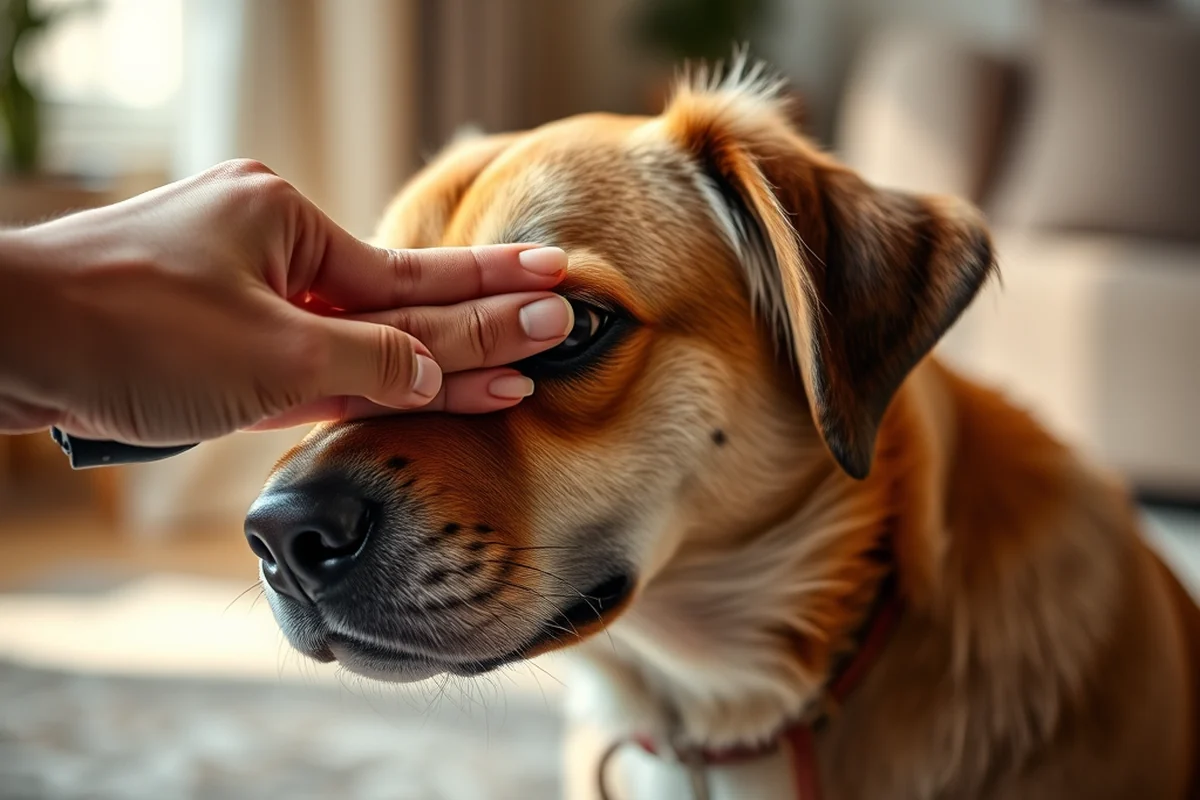
Choosing the right hearing aid for your senior pet is a bit like choosing a new pair of glasses — it needs to be tailored to their needs. I spent several weeks researching different models and consulting with my vet. We looked at factors like the type of hearing loss, the pet's activity level, and the cost of the device. The vet helped me understand the differences between in-the-ear and behind-the-ear models, and which would be best for my dog's mobility.
I also considered the cost of the hearing aid. While the highest rated models can be expensive, I found that some insurance plans cover a portion of the cost. My vet helped me apply for coverage, and it made the process much easier. It's important to remember that while cost is a factor, the right hearing aid can make a world of difference for your pet’s quality of life.
I chose a model that offered clear sound amplification and was easy to clean. My dog's hearing improved dramatically, and I could see the difference in his behavior and mood. He was more alert and responsive, which made our daily walks and interactions much more enjoyable.
The right hearing aid can transform your pet's world — and yours too.
Related: What is the best affordable hearing aid
The Benefits of Using Prescription Hearing Aids for Senior Pets
One of the most noticeable benefits of using prescription hearing aids for senior pets is the improvement in their communication with you. I noticed that my dog started responding to my voice more quickly and was more alert during our walks. He also began reacting to sounds like the vacuum cleaner and other household appliances, which he had previously ignored.
Another benefit is the reduction in anxiety. My dog used to get easily startled by sudden noises, which made him jumpy and stressed. With the hearing aid, he was able to hear the sounds more clearly, so he could anticipate them and react in a more controlled way. This made our home environment much calmer for both of us.
I also noticed that my dog's overall mood improved. He seemed happier and more engaged with his surroundings. He even started playing with his toys again, which he hadn’t done in months. It was clear that the hearing aid was not just helping him hear — it was helping him live a fuller, more enriched life.
After your pet has worn the hearing aid for a few days, try a simple sound test. Clap your hands or use a bell to see if they react to the sound. If they do, it's a sign that the hearing aid is working well.
“The first time I noticed a change in my dog's hearing was during a walk in the park.”— Senior Pet Hearing Loss editors
Related: Best otc hearing aids for 2026
The Process of Fitting a Hearing Aid for Your Senior Pet
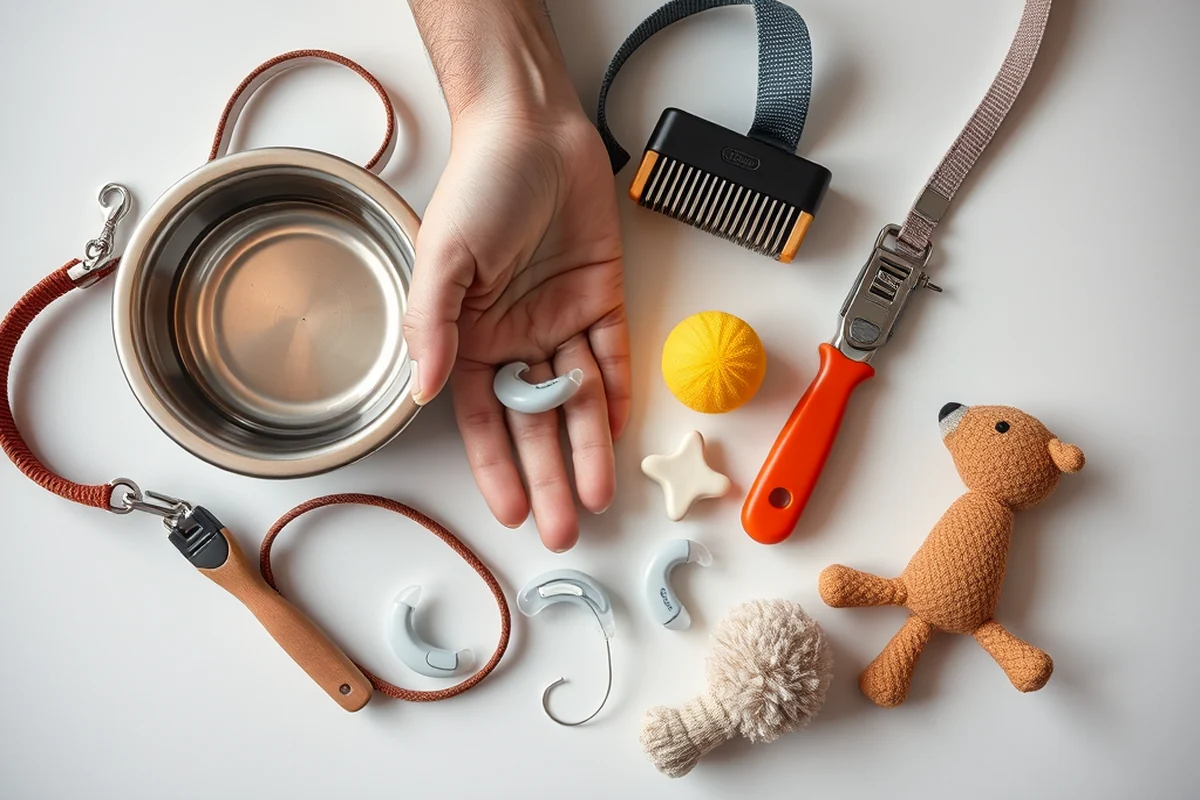
The fitting process for a hearing aid starts with an initial examination of your pet's ears and a hearing test. This is done using specialized equipment that measures the pet's ability to hear at different frequencies. The results of this test determine the type of hearing aid that is needed and how much amplification is required.
Once the hearing test is complete, the vet will fit the hearing aid to your pet. This involves taking an impression of the pet's ear, which is then used to create a custom-molded hearing aid. The vet will also adjust the settings of the device to ensure it is comfortable and effective for your pet.
After the fitting, your pet will need to wear the hearing aid for a few days so that they can get used to it. During this time, you should monitor their behavior to see if they are reacting to sounds. If they are not, the vet may need to make further adjustments to the device.
Related: What s the best noise cancelling earbuds
The Importance of Regular Check-Ups for Hearing Aids
I learned the hard way that regular check-ups are crucial for maintaining the effectiveness of your pet's hearing aid. After a few weeks of use, my dog's hearing aid started to malfunction. He was no longer responding to sounds as well as before, and I noticed that he seemed confused and anxious.
When I took him to the vet for a check-up, they discovered that the hearing aid had become misaligned due to the natural changes in his ears. They adjusted the device and made some tweaks to the settings, which restored his hearing. This experience taught me that even the best hearing aids require ongoing maintenance and care.
Since then, I make sure to take my dog for regular check-ups every six months. These visits help ensure that his hearing aid is working properly and that his hearing is being restored effectively. It also gives me the opportunity to ask any questions and address any concerns I may have about his hearing.
Related: What s the best over ear headphones
What to Expect When Your Pet Starts Using a Hearing Aid
When my dog first started using his hearing aid, he was a bit confused. He would sometimes try to remove the device or seem disoriented when he heard new sounds. It was a bit unsettling at first, but I knew that this was a normal part of the adjustment period.
Over the next few weeks, my dog gradually got used to the hearing aid. He started reacting to sounds more naturally, and his behavior became more consistent. He even began to enjoy the sounds that he had previously ignored, like the rustling of leaves or the distant sound of a car.
It was a bit of a learning curve, but with patience and consistency, my dog was able to adapt to the hearing aid. It was a small price to pay for the improvement in his hearing and the positive change in his behavior.
Adaptation takes time, but the results are worth the effort.
Related: What is hearing aid
How Hearing Aids Can Improve Your Senior Pet's Quality of Life
One of the most significant improvements I noticed in my dog after using the hearing aid was his overall happiness. He was more alert, more engaged, and more responsive to the world around him. This change in behavior was a clear sign that the hearing aid was working.
I also noticed that my dog's interaction with other pets and people improved. He was no longer startled by sudden noises, which made him more confident and less anxious. This change in his behavior made our home environment more peaceful and enjoyable for everyone.
The hearing aid also helped my dog maintain a sense of independence. He was able to navigate his surroundings more easily and respond to commands more effectively. This was especially important for his safety, as he was less likely to be startled by unexpected sounds.
🦴 Senior Pet Hearing Aid
Designed for older pets with age-related hearing loss, these aids restore hearing and improve communication.
🐶 Small Breed Hearing Aid
Tailored for small dogs with hearing loss, these devices are lightweight and easy to fit.
🐾 Multi-Pet Home Hearing Aid
Ideal for homes with multiple pets, these aids are designed for easy use in shared environments.
💰 Budget-Friendly Hearing Aid
Affordable options for pet owners who want quality hearing aids without the high cost.
✈️ Travel-Friendly Hearing Aid
Designed for pets who travel frequently, these aids are durable and easy to carry.
| The mistake | Why it happens | The fix |
|---|---|---|
| Ignoring the signs of hearing loss in your senior pet. | Hearing loss in senior pets can lead to confusion, anxiety, and a decline in their quality of life if left untreated. | If you notice any signs of hearing loss, such as a lack of response to sounds or increased anxiety, it's important to consult with your vet as soon as possible. |
| Choosing a hearing aid that is not tailored to your pet's specific needs. | A hearing aid that is not tailored to your pet's specific needs may not work effectively, leading to frustration and a lack of improvement in their hearing. | It's important to consult with a vet or a specialist to determine the best hearing aid for your pet's specific needs. |
| Not providing regular check-ups for your pet's hearing aid. | Regular check-ups are essential to ensure that your pet's hearing aid is working properly and that their hearing is being restored effectively. | It's recommended to have your pet's hearing aid checked every six months to ensure it is working properly. |
| Assuming that all hearing aids work the same for all pets. | Hearing aids come in different models and types, and not all are suitable for every pet. Choosing the wrong model can lead to ineffective treatment and a lack of improvement in your pet's hearing. | It's important to consult with a vet or a specialist to determine the best hearing aid for your pet's specific needs. |
Highest Rated Prescription Hearing Aids
Common Questions
How long does it take for a senior pet to adjust to a hearing aid?
Are prescription hearing aids for pets covered by insurance?
How often should my senior pet's hearing aid be checked?
Can hearing aids help with sudden hearing loss in senior pets?
References
- Performance and Effectiveness of a Self-fitting Over-the-counter ... (clinicaltrials.gov)
- THE AUDIOMETER AND THE MEDICALISATION OF HEARING LOSS (ncbi.nlm.nih.gov)
Cite this guide
Senior Pet Hearing Loss (2026). Highest Rated Prescription Hearing Aids. https://hearingharbor.com/highest-rated-prescription-hearing-aids/
Feel free to cite or share this guide.
Senior Pet Hearing Check
Scores everyday signs of hearing loss in senior pets.
Open it free →