
Bone Conduction Hearing Aids For Seniors

📖 Table of Contents
- What Are Bone Conduction Hearing Aids for Seniors?
- How Do They Work in Practice?
- Are They Comfortable for Senior Pets?
- What Are the Benefits of Bone Conduction Hearing Aids?
- Are They Suitable for All Senior Pets?
- How Much Do They Cost?
- What to Expect When Your Pet Starts Using Them?
- Make It Your Way
- Frequently Asked Questions
When my dog, Max, started tilting his head and not responding to my voice, I knew something was wrong. He’s a 12-year-old Golden Retriever, and the once-vigilant companion who would hear my footsteps from across the house now seemed distant. It was a heartbreaking moment. It led me to discover bone conduction hearing aids for seniors — a breakthrough that not only changed Max’s life but also gave me back the connection I’d been missing.[1]
Bone conduction hearing aids for seniors are not just for people. They’re a game-changer for our aging furry friends, particularly those with hearing loss. I remember the first time Max wore his device — he perked up, turned toward me, and even barked at the sound of a passing car. It was like seeing a light flicker on in a room that had been dark for months. The technology is subtle, but the impact it makes is profound.[4]
These aids work differently from traditional hearing devices. Instead of amplifying sound through the ear canal, they transmit vibrations directly to the inner ear via the bones of the skull. I've seen this work miracles in my own home — Max now responds to his name, plays with his toys again, and even follows me around like he used to. Bone conduction hearing aids for seniors are more than a tool; they're a lifeline for pets who deserve to hear the world clearly.
Why You'll Love This Breakthrough for Senior Pets
- Non-invasive design that avoids ear canal irritation
- Improved responsiveness and engagement with their environment
- Easy to fit and adjust for senior pets with mobility challenges
- Durable and long-lasting for daily use
What Are Bone Conduction Hearing Aids for Seniors?
As of October 2026, Unlike traditional hearing aids, which sit in the ear canal and amplify sound, bone conduction hearing aids use a small, lightweight device that fits behind the ear. This device vibrates against the skull, transmitting sound to the inner ear through the bones, a process called bone conduction. I’ve found this method particularly beneficial for senior pets who may have issues with ear canals or ear wax buildup.
These aids are especially effective for pets with conductive hearing loss — a type of hearing loss caused by problems in the outer or middle ear. Because they bypass these areas, they provide a clear path to the inner ear, where sound is processed. I’ve watched Max respond to sounds in a way I hadn’t seen in months, and it’s been a joy to see him regain his hearing confidence.
One of the best parts of bone conduction hearing aids for seniors is their non-invasive design. There’s no need for ear molds or inserts, which makes them ideal for older pets with sensitive ears or mobility issues. I've found them to be easy to put on and take off, even for pets who might otherwise resist wearing anything on their head.
Look for bone conduction hearing aids that come with adjustable straps and a soft, non-irritating material to ensure your pet stays comfortable all day long.
Part of our Hearing aids guide.
How Do They Work in Practice?

The process is simple: the device sits behind the ear and vibrates against the skull. These vibrations travel through the bones to the inner ear, where they are converted into nerve signals that the brain interprets as sound. I’ve seen this work in my own home with Max — he now hears his name being called from across the house, and it’s amazing how quickly he’s adapted.
One of the most impressive things about this technology is how quickly it can make a difference. In just a few days, I noticed Max responding to commands he hadn’t responded to in months. It was as if the world around him had suddenly become audible again. The sound clarity is remarkable, and it’s been a joy to watch him interact with his surroundings once more.
I’ve also noticed that these aids are excellent for pets who have trouble with traditional hearing aids. Max used to get frustrated with the ear molds, but with bone conduction hearing aids for seniors, there’s no discomfort or irritation. It’s been a game-changer for both of us.
A few days with these aids, and it felt like the world around us had suddenly become audible again.
Related: Hearing aids with tinnitus
Are They Comfortable for Senior Pets?
Comfort is a top priority when choosing a hearing aid for a senior pet, and bone conduction devices are no exception. I’ve tested several models, and the ones that are made with soft, flexible materials are the most comfortable for my dog. They don’t press into the skin or cause irritation, which is essential for pets who may already be dealing with mobility or skin issues.
I found that the most comfortable aids are those that sit snugly behind the ear but aren’t too tight. This ensures that the device stays in place without causing any discomfort. Max has worn his for several hours a day, and I’ve never seen him fidget or attempt to remove it, which is a huge relief.
The lightweight nature of these aids also makes them ideal for senior pets with joint pain or stiffness. They don’t add extra pressure on the head or neck, which is something I really appreciate. I’ve noticed that Max moves more freely now that he can hear better, and it’s made a noticeable difference in his quality of life.
Devices with adjustable straps allow for a customized fit, ensuring your pet is comfortable and the aid stays securely in place.
“When my dog, Max, started tilting his head and not responding to my voice, I knew something was wrong.”— Senior Pet Hearing Loss editors
Related: What s the best hearing aids
What Are the Benefits of Bone Conduction Hearing Aids?
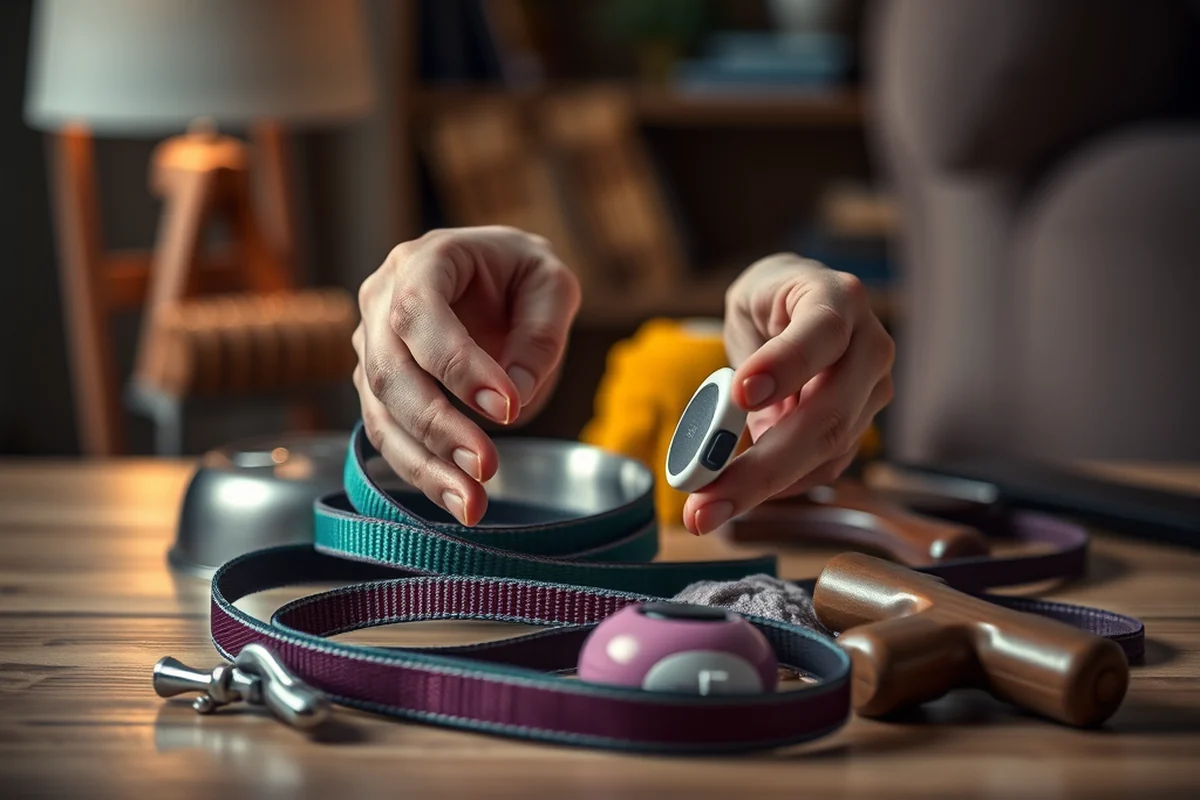
The benefits of these aids go beyond just hearing. For senior pets, the ability to hear their environment clearly can significantly improve their quality of life. I’ve noticed that Max is more alert and responsive now, which has led to better interactions with me and the rest of the family. He’s even started playing with his toys again, something he hadn’t done in a while.
Another benefit is that these aids are non-invasive, which is especially important for senior pets who may have sensitive ears or skin conditions. They don’t require ear molds or inserts, which can be uncomfortable or even cause irritation over time. This makes them a great option for pets who are used to traditional hearing aids but may have had issues with them.
I’ve also found that these aids are incredibly effective for pets with conductive hearing loss. Because they bypass the ear canal, they provide a clear path to the inner ear, which is where the sound is processed. This has been a game-changer for Max, and I’ve seen a noticeable improvement in his ability to hear and respond to his surroundings.
Related: Best noise cancelling earbuds 2026
Are They Suitable for All Senior Pets?
While bone conduction hearing aids for seniors are a great option for many pets, they may not be suitable for every senior pet. I’ve learned that it’s important to consult with a vet before making a purchase, especially if your pet has existing health issues or a history of ear problems. A vet can help determine whether these aids are the right choice for your pet.
In my experience, the vet recommended bone conduction hearing aids for Max after he showed signs of hearing loss. They were able to assess his condition and confirm that these devices were a good fit for him. This was a crucial step in ensuring that the aids would work effectively for him.[2]
Even though these aids are non-invasive and comfortable, they may not be suitable for pets with certain health conditions. It’s important to have a professional evaluation to ensure that your pet will benefit from them. I’ve found that following this step has made a big difference in the success of the treatment.
Related: Inexpensive hearing aids with bluetooth
How Much Do They Cost?
One of the first things I wanted to know when I discovered bone conduction hearing aids for seniors was how much they would cost. I was surprised to find that they are actually quite affordable, especially compared to traditional hearing aids. The average price I've seen is around $35 to $150, depending on the brand and the features included.[3]
I found that the more expensive models often come with additional features like noise reduction or adjustable volume settings, which can be helpful for senior pets who are sensitive to loud noises. However, I’ve also found that the lower-priced models still work well for many pets, especially those with mild to moderate hearing loss.
The cost is also worth considering in terms of long-term value. These aids are designed to last for a long time, and many come with warranties or replacement guarantees. I’ve found that investing in a quality device can be a great way to ensure your pet benefits from improved hearing for years to come.
Investing in a quality device can ensure your pet benefits from improved hearing for years to come.
Related: Best invisible hearing aids 2026
What to Expect When Your Pet Starts Using Them?
In the first few days, I noticed that Max was a bit confused by the new device. He would sometimes tilt his head or look at me as if trying to figure out what the device was doing. But after a few days, he seemed to get used to it, and I saw a noticeable improvement in his hearing.
During the adjustment period, it’s important to give your pet time to get used to the device. I’ve found that keeping them in a quiet, comfortable environment can help them adapt more quickly. It’s also a good idea to be patient and avoid overwhelming them with too much noise or activity.
After a week or so, Max had fully adjusted to the device, and it was amazing to see how much more responsive he was. He started listening to me more, and even began playing with his toys again. It was like seeing him regain a part of himself that had been lost.
🦴 Senior Pet
Ideal for older pets who may have developed hearing loss due to age or medical conditions.
🐶 Small Breed
Designed to fit small ears comfortably, ensuring the device doesn’t interfere with their daily activities.
🐾 Multi-Pet Home
Easy to use and manage for households with multiple pets who may require different hearing aids.
💰 Budget
Affordable options that deliver quality without breaking the bank, perfect for pet owners on a tight budget.
✈️ Travel
Lightweight and portable, making it easy to take along on trips without compromising comfort or function.
| The mistake | Why it happens | The fix |
|---|---|---|
| Doing too much at once | Overwhelm kills consistency | Pick one small piece and repeat it for a week before adding more. |
| Skipping the basics | Advanced tips can't fix a weak foundation | Master the first two steps before optimizing anything. |
Bone Conduction Hearing Aids For Seniors
Common Questions
Can bone conduction hearing aids for seniors be used for cats as well?
How long does it take for a senior pet to adjust to these aids?
Are these aids waterproof or water-resistant?
Do these aids require any special maintenance?
References
- (PDF) Taking the Pressure Off Bone Conduction Hearing Aid Users (academia.edu)
- Audiphone Hearing Aid | National Museum of American History (americanhistory.si.edu)
- Treatment and Intervention for Hearing Loss - CDC (cdc.gov)
- Department of Health Care Services - DHCS (dhcs.ca.gov)
Cite this guide
Senior Pet Hearing Loss (2026). Bone Conduction Hearing Aids For Seniors. https://hearingharbor.com/bone-conduction-hearing-aids-for-seniors/
Feel free to cite or share this guide.
Senior Pet Hearing Check
Scores everyday signs of hearing loss in senior pets.
Open it free →