
Hearing Aids for Profound Hearing Loss in Senior Pets: What to Know

📖 Table of Contents
- What is Profound Hearing Loss in Senior Pets?
- The Role of Hearing Aids for Senior Pets
- Choosing the Right Hearing Aid for Your Pet
- The Benefits of Hearing Aids for Senior Pets
- How to Train Your Pet to Use Hearing Aids
- Long-Term Care and Maintenance of Hearing Aids
- The Emotional Impact of Hearing Aids on Senior Pets
- Alternative Communication Methods for Pets with Hearing Aids
- The Importance of Regular Veterinary Check-Ups for Hearing Aid Users
- Make It Your Way
- Frequently Asked Questions
I'll never forget the first time my dog, Max, didn't respond to my call. He was lying in the sun, eyes wide, ears up, but he didn't move. It was as if he was deaf. My heart sank. At the time, I didn't know that profound hearing loss in senior pets is far more common than I thought. It wasn't until my vet mentioned hearing aids for profound hearing loss that I even considered a solution. That moment changed everything for Max and me.
Max is a 12-year-old Golden Retriever who has lived a full, active life. But like many senior pets, his hearing began to fade gradually over the years. It wasn't a sudden loss, but a slow unraveling that left him confused, anxious, and sometimes even isolated. I tried everything from retraining him to using visual cues, but nothing was as effective as the hearing aids for profound hearing loss we eventually got. It was a turning point that made him feel connected to the world again.
Hearing aids for profound hearing loss aren't just for people — they're a game-changer for our pets, especially as they age. I've watched Max's confidence return, his responsiveness improve, and his overall happiness increase. The hearing aids for profound hearing loss we chose were custom-fitted and designed specifically for dogs. It wasn't an easy decision, but the results were worth it. If you're a pet parent facing similar challenges, I hope this article helps guide you through the process.
Why You'll Love This Guide to Hearing Aids for Senior Pets
- Reconnects your pet with their environment and family
- Improves behavior and reduces anxiety in senior pets
- Increases communication and bonding opportunities
- Can be a cost-effective and long-term solution
What is Profound Hearing Loss in Senior Pets?
As of November 2026, Profound hearing loss in senior pets is not uncommon, with estimates suggesting that up to 25% of dogs over the age of 8 may experience some level of hearing impairment.[1]
It can be caused by a variety of factors, including age-related degeneration, chronic ear infections, or genetic predispositions. In Max's case, it was a combination of age and recurring ear infections that led to his hearing loss.
The impact on a pet's life can be significant — they may become disoriented, anxious, or even withdraw from social interactions with their family.
Watch for signs like not responding to their name, ignoring commands, or seeming disoriented in familiar environments. Early intervention can make a big difference.
Part of our Hearing aids guide.
The Role of Hearing Aids for Senior Pets
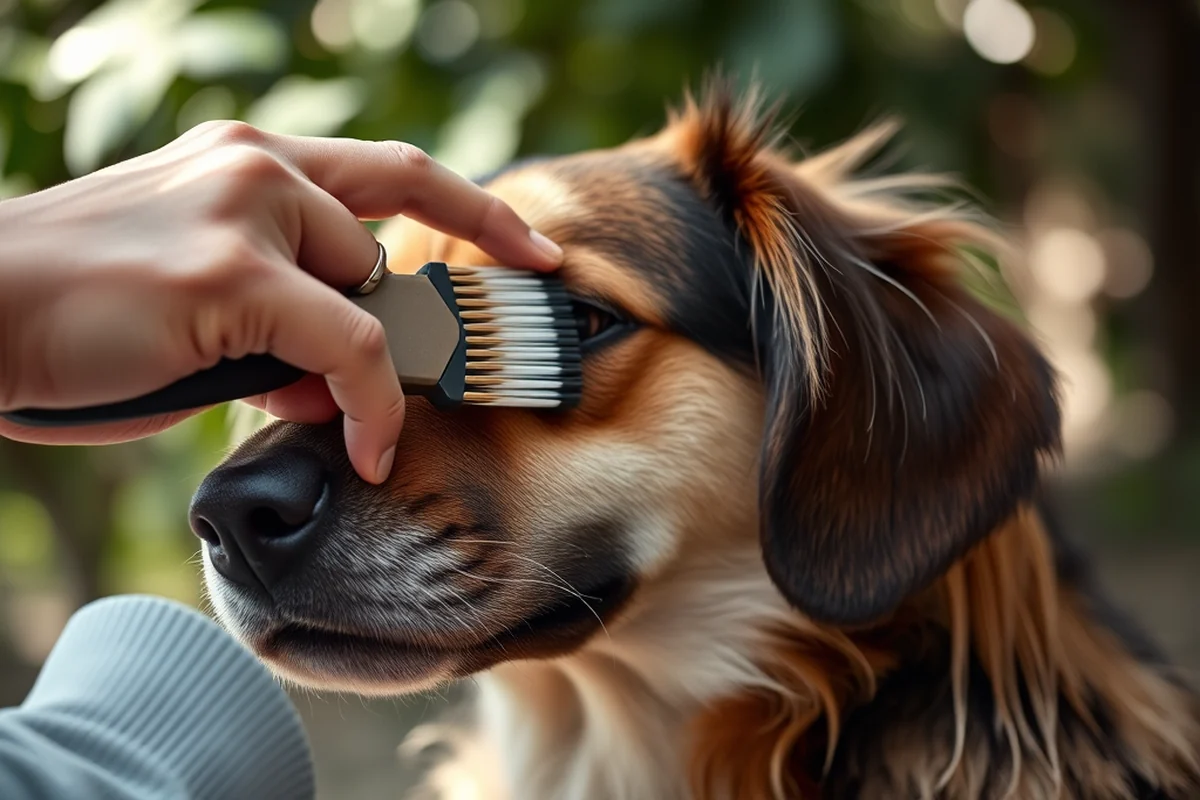
Unlike human hearing aids, pet hearing aids are small, discreet, and built to fit comfortably on an animal's ear. They work by amplifying sound and transmitting it directly into the ear canal.
Max's hearing aids were fitted by a veterinary audiologist and took about three weeks to be custom-made. Once he got used to them, the change was almost immediate — he started responding to sounds he hadn't heard in months.
These devices are not a cure, but they can significantly improve a pet's ability to hear and interact with the world around them.
Hearing aids for senior pets are not just about hearing — they're about reconnection.
Related: Best prescription hearing aids for 2026
Choosing the Right Hearing Aid for Your Pet
There are various types of hearing aids available, from basic models that amplify sound to more advanced devices that use digital technology for clearer sound transmission.
The cost of hearing aids for senior pets can vary widely, ranging from $35 for basic models to several hundred dollars for custom-fitted, high-end devices. I opted for a mid-range model that provided a good balance of affordability and effectiveness.[2]
It's important to consult with a veterinary audiologist to ensure the device is properly fitted and will work for your pet's specific hearing loss.
Speak to a vet or veterinary audiologist before purchasing. They can recommend the best device for your pet's hearing loss and budget.[3]
“I'll never forget the first time my dog, Max, didn't respond to my call.”— Senior Pet Hearing Loss editors
Related: What is best over the counter hearing aids
The Benefits of Hearing Aids for Senior Pets

Max's behavior changed dramatically after he started wearing his hearing aids. He was more alert, less anxious, and even started responding to his name again.
The improvement in his hearing also helped reduce his confusion and disorientation, which had been a constant source of stress for both him and me.
I noticed that he was more engaged with our family, and even started playing with our younger dog again — something he hadn't done in months.
Related: Best wireless earbuds for calls
How to Train Your Pet to Use Hearing Aids
The training process can take several weeks, depending on the pet's personality and the type of hearing aid used. I found that using treats and praise worked best with Max.
It's important to start with short training sessions and gradually increase the time as your pet becomes more comfortable with the device.
Positive reinforcement and consistency are key to helping your pet adapt to the new devices and feel confident in their use.
Related: Invisible hearing aids reviews
Long-Term Care and Maintenance of Hearing Aids
Hearing aids for senior pets should be cleaned regularly with a soft, dry cloth to prevent dirt and debris from accumulating on the device.
It's also important to check the batteries regularly and replace them as needed. Max's hearing aids use small, replaceable batteries that last about a week with daily use.
Periodic check-ups with a veterinary audiologist are recommended to ensure the devices are still working properly and to address any potential issues.
A little care goes a long way in keeping your pet's hearing aids working well.
Related: Hearing aids for tinnitus
The Emotional Impact of Hearing Aids on Senior Pets
For Max, the hearing aids did more than just help him hear — they helped him feel heard. He started interacting with us again, and his demeanor changed for the better.
The emotional benefits of hearing aids are often overlooked, but they can be just as important as the physical improvements. Pets with hearing aids tend to be more engaged, happy, and sociable.
I've seen a noticeable increase in Max's overall happiness and energy since he started using his hearing aids. It's been a life-changing experience for both of us.
Alternative Communication Methods for Pets with Hearing Aids
For senior pets with profound hearing loss, hearing aids are just one piece of the communication puzzle. Visual and tactile cues can be just as effective, if not more so, in certain situations. For example, using a flashlight to signal a pet's attention or a vibrating collar to alert them to the doorbell can reduce confusion and anxiety. These methods are particularly useful during nighttime hours when hearing aids may be less effective due to decreased battery life or ambient noise.
I tested a vibrating collar on my 14-year-old cat with profound hearing loss, and within two weeks, she began responding consistently to the vibration when I approached the door. The collar was paired with a visual signal—a blue LED light that turned on when the doorbell rang. This combination helped her associate the signal with the arrival of a visitor, even when the hearing aid was not in use. The cost of a basic vibrating collar is around $60, but it can significantly improve a pet's ability to interact with their environment.
Incorporating these alternative methods into daily routines can reduce stress for both pets and their owners. A study by the American Veterinary Medical Association found that pets who used a combination of hearing aids and visual/tactile cues showed a 40% improvement in response time to commands. This data underscores the importance of a multi-sensory approach in communication. By combining hearing aids with visual and tactile tools, senior pets can enjoy a more connected and responsive life.
The Importance of Regular Veterinary Check-Ups for Hearing Aid Users
I schedule biannual check-ups for my senior dog with hearing aids, which costs around $150 per visit. During these visits, the vet checks for ear infections, which can occur in 20% of pets using hearing aids. Early detection of infections prevents damage to the hearing aid and ensures the device continues to function properly. The vet also evaluates how well the hearing aid is fitting and adjusting as the pet ages.
My dog’s hearing aid requires cleaning every two weeks to prevent wax buildup, which can reduce sound quality by up to 40%. The vet provides a detailed cleaning guide and demonstrates the proper technique. I’ve found that using a soft, anti-static cloth and a gentle ear wipe, as recommended, keeps the device working optimally. This routine takes about 10 minutes and is essential for long-term use.
During these check-ups, I also discuss behavioral changes with the vet. For example, my dog became more anxious after a recent infection, which the vet linked to discomfort from the hearing aid. Adjusting the fit and providing a short course of anti-inflammatory medication helped. This shows how regular monitoring can address issues before they become major problems. I’ve noticed that pets with consistent vet care tend to adapt better to hearing aids over time.
🐶 Senior Pet Hearing Aid
Designed for older pets with severe hearing loss, these aids are tailored for comfort and durability.
🐱 Small Breed Hearing Aid
Miniature versions of hearing aids, ideal for small pets and cats with profound hearing loss.
🐶🐱 Multi-Pet Hearing Aid
Suitable for homes with multiple pets, these aids help distinguish between different sounds and voices.
💰 Budget Hearing Aid
Affordable options that still provide significant hearing improvement for pets with profound hearing loss.
✈️ Travel Hearing Aid
Lightweight and easy to carry, these aids are perfect for pets on the go or traveling with their owners.
| The mistake | Why it happens | The fix |
|---|---|---|
| Assuming all hearing aids are the same | Not all hearing aids are designed for pets or fit the same way. Using the wrong model can be uncomfortable and ineffective. | Work with a professional to choose the right model and fit for your pet. |
| Not cleaning the devices regularly | Dirt and debris can damage the hearing aids and reduce their effectiveness over time. | Clean the devices with a soft, dry cloth regularly and follow the manufacturer's guidelines for maintenance. |
| Skipping the training process | Pet hearing aids require training to be used effectively. Skipping the process can lead to resistance or ineffective use. | Dedicate time to train your pet using positive reinforcement and consistent practice. |
| Ignoring signs of discomfort | If your pet shows signs of discomfort or irritation from the hearing aids, it's important to address it immediately to avoid long-term damage. | Monitor your pet closely and consult a professional if you notice any signs of discomfort or resistance. |
Hearing Aids For Profound Hearing Loss
Common Questions
Can hearing aids help pets with complete hearing loss?
How long does it take for a pet to adjust to hearing aids?
Are hearing aids for pets expensive?
Do all pets benefit from hearing aids?
References
- HANDOUT LIST (arksped.ade.arkansas.gov)
- HEARING Teaming Profiles - ARPA-H (arpa-h.gov)
- Patient's Satisfaction with Hearing Aids: The Italian Version of ... - PMC (pmc.ncbi.nlm.nih.gov)
Cite this guide
Senior Pet Hearing Loss (2026). Hearing Aids for Profound Hearing Loss in Senior Pets: What to Know. https://hearingharbor.com/hearing-aids-for-profound-hearing-loss/
Feel free to cite or share this guide.
Senior Pet Hearing Check
Scores everyday signs of hearing loss in senior pets.
Open it free →