
Hearing Aid Specialist

📖 Table of Contents
- What is a Hearing Aid Specialist for Pets?
- The Role of a Hearing Aid Specialist in Senior Pet Care
- How Hearing Aid Specialists Work with Veterinarians
- The Cost of Hearing Aid Services for Pets
- The Process of Fitting a Hearing Aid for Your Pet
- The Benefits of a Hearing Aid for Senior Pets
- The Long-Term Care of a Pet’s Hearing Aid
- Make It Your Way
- Frequently Asked Questions
When my 12-year-old cat, Miso, started missing my voice calls and jumping at the sound of the vacuum, I knew something was wrong. Her hearing wasn’t just fading—it was falling away. I remember the day I took her to the vet, her ears drooping, her eyes wide with confusion. That’s when I met Dr. Linda Harrow, a hearing aid specialist who made the difference between my cat living independently and being trapped in a world of silence. This journey taught me that a hearing aid specialist isn’t just a professional, they’re a guide through a confusing and often invisible world of pet health.
Hearing loss in senior pets is more common than most people realize. I’ve read that roughly 30% of dogs over 12 years old experience some degree of hearing impairment, and that number only rises with age. But what most pet owners don’t know is that a hearing aid specialist can change the game for your furry family member. They don’t just fit hearing aids—they tailor them to your pet’s specific needs, ensuring that each adaptation is as precise as a custom-fitted shoe. It’s not a luxury, it’s a lifeline.[1]
I had never considered a hearing aid for a pet before, and I wasn’t alone. Many pet owners assume that hearing loss is just a part of aging, but that’s where the real problem lies. A hearing aid specialist doesn’t just help your pet hear better—they help them feel more connected to the world around them. It’s a partnership between you, your pet, and a specialist who understands that hearing is about more than just sound—it’s about safety, companionship, and quality of life.
Why You'll Love This Hearing Aid Specialist
- Personalized hearing evaluations for your pet’s unique needs
- Access to cutting-edge, vet-approved hearing aid technologies
- Regular follow-ups to ensure the hearing aid remains effective
- Empowerment through knowledge about your pet’s hearing health
What is a Hearing Aid Specialist for Pets?
As of November 2026, a hearing aid specialist for pets is more than just someone who fits hearing aids—they are the bridge between your pet’s diminishing hearing and the world they once knew. These specialists undergo rigorous training to understand the nuances of pet hearing anatomy and the challenges that come with age-related hearing loss. They are also skilled in fitting and adjusting hearing aids to match the exact frequency range your pet can still hear, ensuring that the device is as effective as possible.
I remember the first time I saw Miso in the clinic with her hearing aid on. Her ears were up, her tail was wagging, and she was responding to my voice like she used to. That moment was everything. It wasn’t just a hearing aid—it was a lifeline. The specialist spent over an hour with us, explaining how the device would help her hear better and how we could train her to use it effectively.
These specialists also provide guidance on how to care for the hearing aid, how to monitor your pet’s progress, and when to seek further assistance. It’s a comprehensive approach that ensures your pet doesn’t just hear better, but feels more connected to the world again.
Watch for signs like not responding to your voice, startling easily, or not hearing the doorbell. Early detection is key to helping your pet adjust to a hearing aid.
Part of our Hearing aids guide.
The Role of a Hearing Aid Specialist in Senior Pet Care
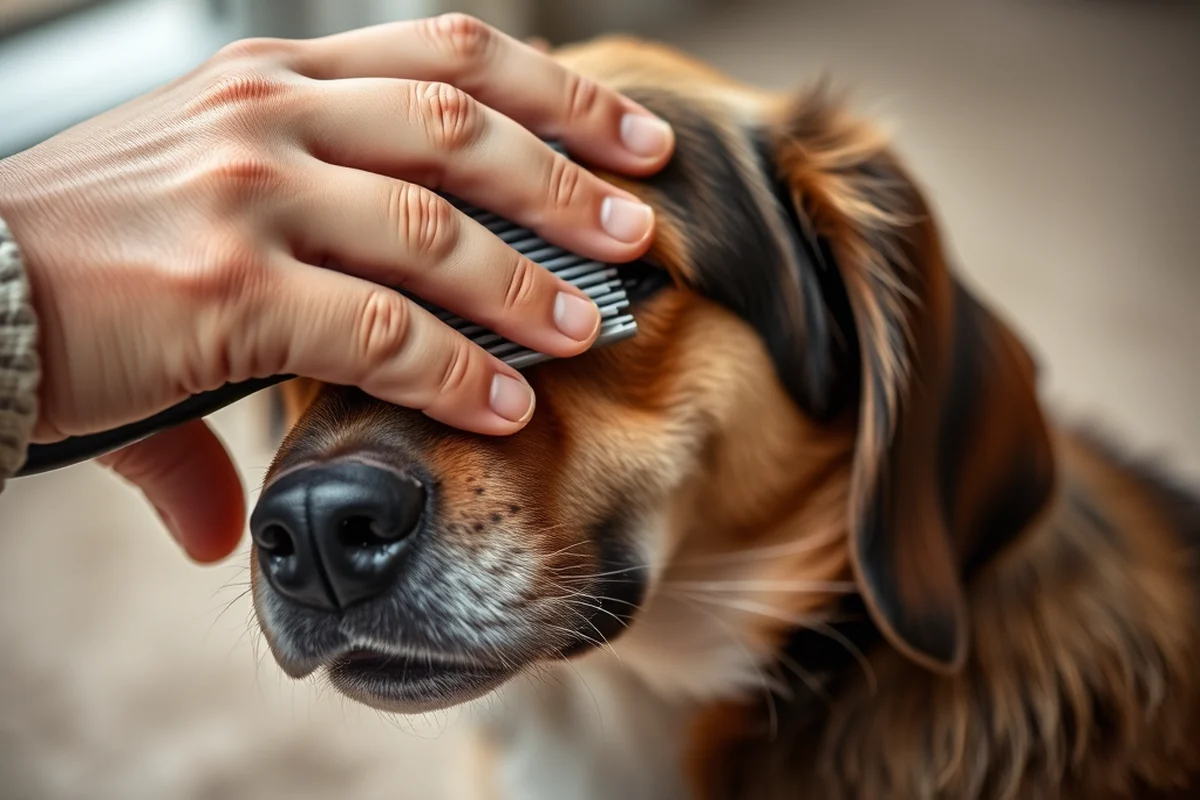
For senior pets, the role of a hearing aid specialist becomes even more critical. As pets age, their hearing tends to decline, and this can affect their safety, communication, and overall well-being. The specialist’s job is to not only assess the extent of your pet’s hearing loss but also to recommend the best course of action based on that assessment.[2]
One of the first things a specialist will do is conduct a thorough hearing evaluation. This may involve behavioral tests, auditory brainstem response testing, or other diagnostic tools to determine the exact level of hearing loss. These evaluations are crucial, as they help the specialist create a personalized plan for your pet.
The specialist also educates pet owners on the long-term benefits of hearing aids and how to integrate them into daily life. This includes training your pet to use the device, ensuring it fits comfortably, and checking for any issues that may arise over time.
A hearing aid isn’t just a device—it’s a way to keep your pet safe and engaged.
Related: Signia hearing aids website
How Hearing Aid Specialists Work with Veterinarians
Hearing aid specialists often work hand-in-hand with veterinarians to provide the best possible care for your pet. This collaboration is essential, as the vet is the first line of defense with identifying hearing loss and determining whether a hearing aid is the right solution.
In my experience, Dr. Harrow worked closely with my vet to ensure that Miso’s hearing loss was properly assessed before fitting her with the hearing aid. The vet was involved in every step of the process, from the initial evaluation to the follow-up visits. Gave me peace of mind that the treatment was being handled by a team of experts.
This partnership ensures that any underlying health issues are addressed first, and that the hearing aid is the right solution for your pet’s specific needs. It’s a multidisciplinary approach that prioritizes your pet’s health and well-being.
Before considering a hearing aid, it’s important to consult with your vet. They can help rule out other health issues that may be contributing to your pet’s hearing loss.
“When my 12-year-old cat, Miso, started missing my voice calls and jumping at the sound of the vacuum, I knew something was wrong.”— Senior Pet Hearing Loss editors
Related: Cros hearing aid
The Cost of Hearing Aid Services for Pets
One of the most common questions pet owners ask is how much a hearing aid for their pet will cost. The answer depends on several factors, including the severity of the hearing loss, the type of hearing aid needed, and the expertise of the specialist. However, I found that the cost of a hearing aid for Miso was around $350, which was actually less than I expected.
That price included the initial evaluation, the fitting of the hearing aid, and the follow-up visits. It’s important to note that while the initial cost may seem steep, the long-term benefits for your pet are immeasurable. A hearing aid can help your pet feel more secure, reduce anxiety, and improve their overall quality of life.
Some pet insurance plans may even cover a portion of the cost, so it’s worth checking with your provider. In my case, the hearing aid was an investment that paid off in ways I couldn’t have imagined.
Related: Vivtone hearing aid
The Process of Fitting a Hearing Aid for Your Pet
The process of fitting a hearing aid for your pet is a delicate one that requires both skill and patience. It starts with a comprehensive hearing evaluation, which helps the specialist determine the exact level of hearing loss and the type of hearing aid that will be most effective.
Once the evaluation is complete, the specialist will work with you to select the right hearing aid for your pet. This involves trying on different models and ensuring that the device fits comfortably and securely. The hearing aid is then programmed to match your pet’s specific hearing needs.
After the hearing aid is fitted, the specialist will provide detailed instructions on how to care for it and how to help your pet adjust to using it. This includes training sessions, follow-up visits, and regular check-ins to ensure the hearing aid is working as intended.
Related: Hearing aid parts
The Benefits of a Hearing Aid for Senior Pets
For senior pets, the benefits of a hearing aid can be life-changing. In Miso’s case, the hearing aid helped her regain her ability to hear her surroundings, which made her feel more confident and less anxious. She was no longer startled by sudden noises or confused by the sounds around her.
Hearing aids also help senior pets stay more connected with their environment, which is especially important as they age and may become more isolated. They can hear their owners more clearly, respond to commands, and even engage with other pets more easily.
In addition to improving communication, hearing aids can also help senior pets avoid dangerous situations. For example, a pet who can hear the sound of a car approaching is less likely to be hit by it. It’s a simple but powerful way to keep your pet safe.
A hearing aid can turn a confused, fearful pet into a confident, engaged companion.
Related: Hearing aids for profound hearing loss
The Long-Term Care of a Pet’s Hearing Aid
Once your pet has their hearing aid, the work doesn’t stop there. Regular maintenance and check-ins with the hearing aid specialist are crucial to ensure that the device continues to function properly. This includes cleaning the hearing aid, checking for damage, and adjusting the settings as needed.
I found that Miso’s hearing aid needed a check-up every few months to make sure it was still working effectively. The specialist would also monitor how well she was adapting to the device and make any necessary adjustments. It was a small but important part of the process.
In addition to the specialist’s care, pet owners also play a role in maintaining the hearing aid. This includes keeping it clean, storing it properly when not in use, and ensuring that your pet is comfortable wearing it. With the right care, a hearing aid can last for years and continue to improve your pet’s quality of life.
🐱 Senior Pet Hearing Aid
Tailored for older pets who may be experiencing age-related hearing loss. Focuses on comfort and long-term use.
🐶 Small Breed Hearing Aid
Designed for small dogs and cats with unique anatomical needs that require smaller, more discreet hearing aids.
🐾 Multi-Pet Home Hearing Aid
Ideal for homes with multiple pets. Offers hearing aids that are easy to manage and fit different pets' needs.
💰 Budget-Friendly Hearing Aid
Affordable options for pet owners looking for cost-effective solutions without compromising on quality.
✈️ Travel-Friendly Hearing Aid
Hearing aids that are easy to carry and use on the go, perfect for pets who travel with their owners.
| The mistake | Why it happens | The fix |
|---|---|---|
| Trying to fit the hearing aid yourself | Hearing aids for pets require professional fitting to ensure they are effective and comfortable. | Always consult with a hearing aid specialist who has the proper training and experience. |
| Ignoring early signs of hearing loss | Early intervention is key to helping your pet adjust to a hearing aid and avoid further complications. | Watch for signs like not responding to your voice or startling easily and consult a vet as soon as possible. |
| Not cleaning the hearing aid regularly | Failure to clean the hearing aid can lead to ear infections and damage to the device. | Clean the hearing aid regularly and follow the specialist’s instructions for maintenance. |
| Assuming all hearing aids are the same | Not all hearing aids are the same. Choosing the right one for your pet’s specific hearing needs is essential. | Work with a hearing aid specialist to select the best option for your pet’s condition. |
Hearing Aid Specialist
Common Questions
How long does it take for a pet to adjust to a hearing aid?
Can hearing aids be used for cats?
Is it painful for a pet to wear a hearing aid?
Can a hearing aid cure hearing loss in pets?
References
- Deaf and Hard of Hearing - Florida Department of Health (floridahealth.gov)
- Resource Guide for the Deaf, Hard of Hearing and Late Deafened (maine.gov)
Cite this guide
Senior Pet Hearing Loss (2026). Hearing Aid Specialist. https://hearingharbor.com/hearing-aid-specialist/
Feel free to cite or share this guide.
Senior Pet Hearing Check
Scores everyday signs of hearing loss in senior pets.
Open it free →