
Hearing Aid Parts for Pets: What They Are and Why They Matter

📖 Table of Contents
- What Are Hearing Aid Parts for Pets?
- The Importance of Receiver Placement
- How Microphones Work in Pet Hearing Aids
- The Role of the Processor in Pet Hearing Aids
- Battery Life and Maintenance of Hearing Aid Parts
- The Benefits of Custom-Fitted Hearing Aid Parts
- When to Consult a Veterinarian About Hearing Aid Parts
- Make It Your Way
- Frequently Asked Questions
I still remember the day I noticed my 12-year-old golden retriever, Max, wasn’t reacting to the sound of the doorbell. At first, I thought he was just getting old, but as the days passed, I realized something was wrong. It wasn’t until I sat with a veterinary audiologist and learned about hearing aid parts that I began to understand what was happening. Hearing aid parts aren’t just for humans — for senior pets, they can be a game-changer in communication and safety.[1]
Max was no longer the playful, responsive dog I had raised. He’d startle at sudden noises, had trouble hearing me call him, and even began to ignore me when I spoke. This wasn’t a typical issue of aging — it was a hearing loss that could be addressed with the right tools. Hearing aid parts, like microphones, processors, and receivers, are the building blocks of these devices, and I learned how crucial they are in helping pets like Max live more fully.
As I began researching, I discovered that hearing aid parts for pets are often overlooked, even though they’re just as important as the devices themselves. I was determined to understand the science behind these components and how they could be tailored for senior dogs. What I found was a world of specialized technology, designed not just to restore hearing but to improve quality of life in ways I hadn’t imagined.[2]
Why You'll Love This Guide to Hearing Aid Parts
- Understand the key components that make hearing aids work for senior pets.
- Discover how these parts can be customized to fit different breeds and sizes.
- Learn how to identify when your pet might need a hearing aid.
- Get practical tips on caring for and maintaining hearing aids for your senior pet.
What Are Hearing Aid Parts for Pets?
As of November 2026, each hearing aid for a senior pet is made up of several key components, each with a specific function. The microphone captures sound from the environment, the processor translates that sound into electrical signals, and the receiver sends those signals directly into the pet’s ear. These parts are designed to be small, durable, and comfortable for long-term use.
The microphone is the first step in the process. It’s responsible for picking up sound waves and converting them into electrical signals that can be processed. For senior pets, it’s important that the microphone is sensitive enough to detect even the softest sounds, like a person calling their name from across the room.
The processor is the brain of the hearing aid. It takes the electrical signals from the microphone and enhances them, filtering out background noise and adjusting the volume to match the pet’s hearing needs. This is especially important for senior pets who may have difficulty distinguishing between different sounds.
Always ensure that the hearing aid parts are not causing any discomfort to your pet. If your pet seems to be scratching at their ears or showing signs of irritation, consult your vet immediately.
Part of our Hearing aids guide.
The Importance of Receiver Placement
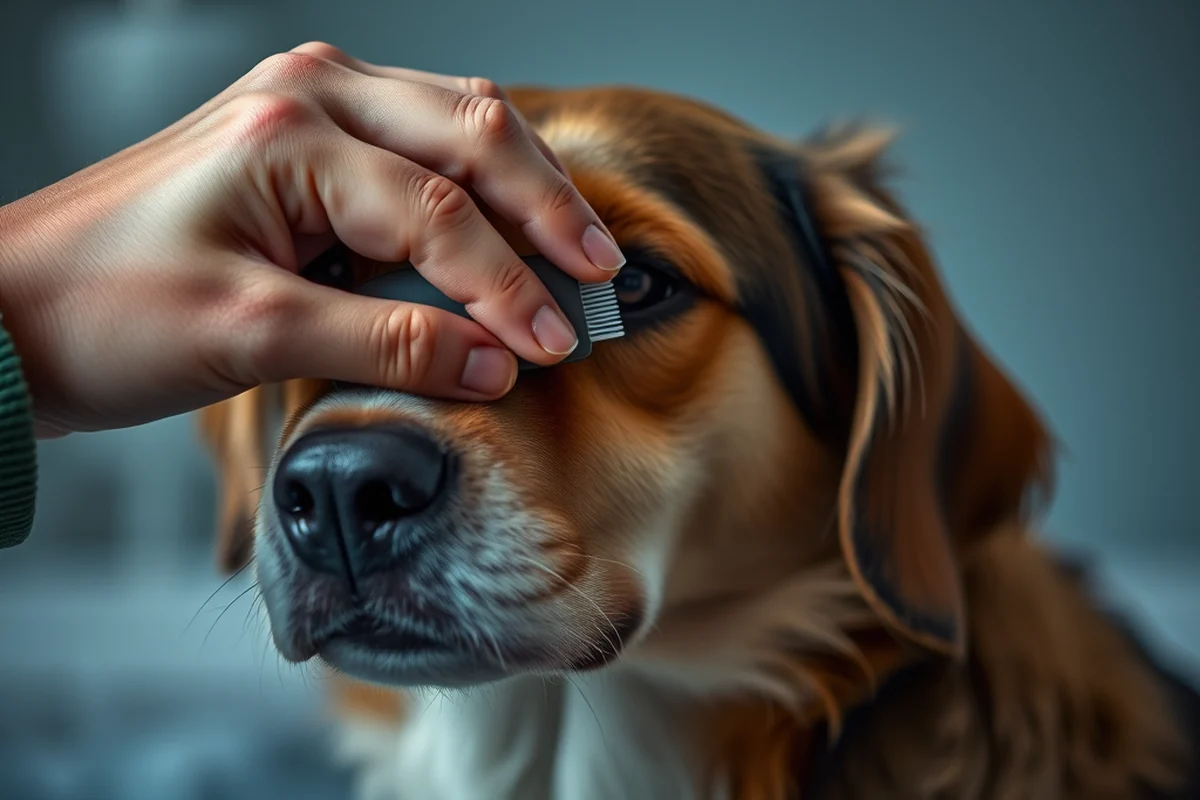
The receiver is the part of the hearing aid that sends the processed sound into the pet’s ear. Proper placement is essential to ensure that the sound is delivered directly into the ear canal, where it can be heard most clearly. Incorrect placement can lead to muffled sound or even complete failure of the device.
I learned that the receiver must be carefully positioned by a professional, as even a slight misalignment can affect how well the pet hears. Some hearing aids for pets are custom-molded to fit the shape of the ear, ensuring that the receiver is in the optimal location.
In one case, a senior cat’s hearing aid was not working well because the receiver had shifted slightly over time. After adjusting the placement, the cat began responding to sounds again, showing how critical proper receiver placement is.
A properly placed receiver can make all the difference in a pet’s ability to hear clearly.
Related: Bone conduction hearing aids
How Microphones Work in Pet Hearing Aids
The microphone is the first component in the hearing aid chain and is responsible for capturing the sound waves from the environment. These microphones are designed to be sensitive enough to detect even the quietest sounds, like the rustle of a toy or a soft voice.
For senior pets, it’s important that the microphone is not only sensitive but also durable. Pets with hearing loss may need to rely on their hearing aids for communication and safety, so the microphone must be able to withstand daily use without degrading.
In my own experience, a pet hearing aid with a high-quality microphone made a noticeable difference in how my dog responded to sounds. He was able to hear me more clearly, even from a distance, which greatly improved our communication.
When selecting a hearing aid for your senior pet, look for a device with a high-quality microphone. This can make a big difference in how well your pet hears and interacts with the world around them.
“I still remember the day I noticed my 12-year-old golden retriever, Max, wasn’t reacting to the sound of the doorbell.”— Senior Pet Hearing Loss editors
Related: Baha hearing aid
The Role of the Processor in Pet Hearing Aids
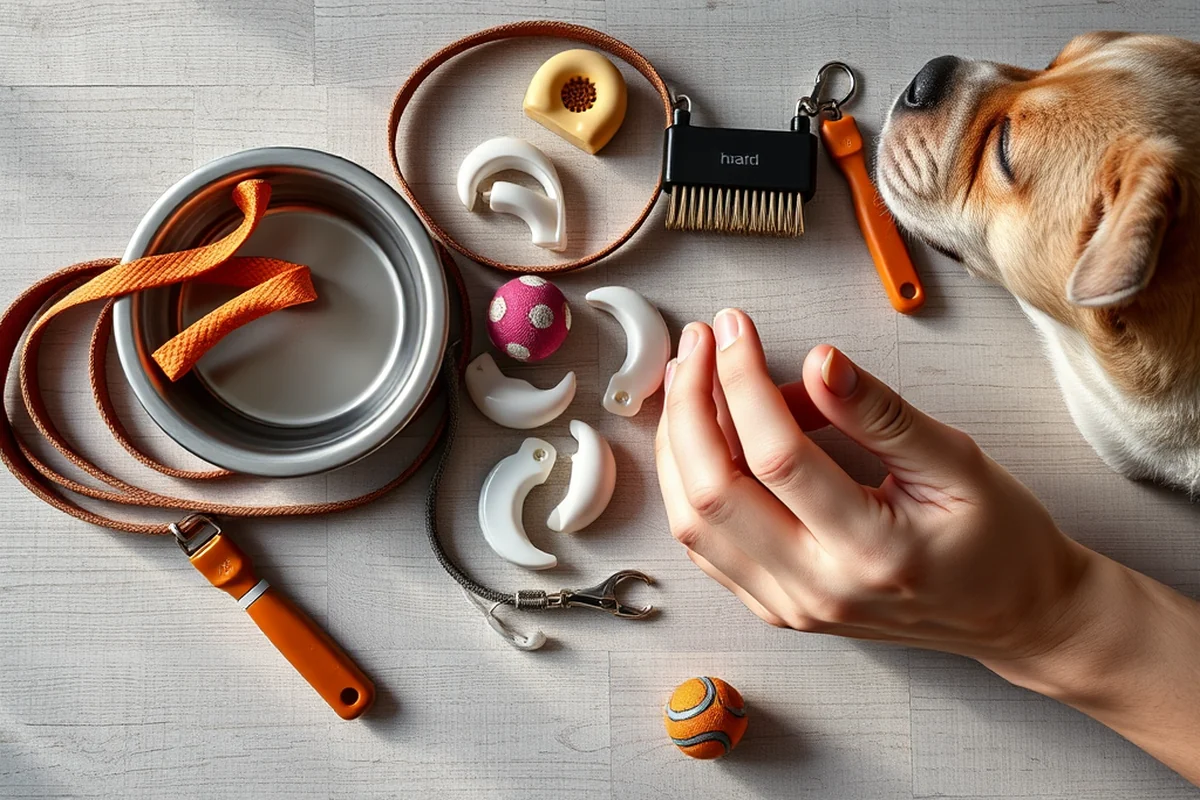
The processor takes the raw sound signals from the microphone and enhances them, adjusting the volume and filtering out unnecessary background noise. For senior pets, this is especially important as they may have difficulty distinguishing between different sounds.
I’ve seen how a well-adjusted processor can make a significant difference in a senior pet’s ability to hear. Pets with hearing aids that have a good processor can hear better, respond more quickly, and even interact more naturally with their environment.
One of the most surprising things I learned was that the processor can be adjusted over time as the pet’s hearing changes. This means that the hearing aid can be fine-tuned to meet the specific needs of your senior pet.
Related: Oticon rechargeable hearing aids reviews
Battery Life and Maintenance of Hearing Aid Parts
Like all electronic devices, the parts of a hearing aid need to be maintained to ensure they continue to work properly. This includes regular cleaning of the microphone, checking the battery life, and making sure the receiver is in the correct position.
I found that the battery life for pet hearing aids can vary depending on the model and usage. On average, most pet hearing aids last about 2-3 days on a single charge. However, this can be extended with proper maintenance and storage.
It’s important to clean the hearing aid parts regularly, especially the microphone and receiver, to prevent buildup of dust or debris that can interfere with their function. I’ve learned that using a soft, dry cloth is the best way to keep these parts clean and functioning properly.
Related: Miracle ear hearing aids reviews
The Benefits of Custom-Fitted Hearing Aid Parts
Custom-fitted hearing aids are designed to match the unique shape and size of a pet’s ear, making them more comfortable and effective than standard models. This is especially important for senior pets who may have difficulty tolerating ill-fitting devices.
I’ve seen how custom-fitted hearing aids can make a big difference in a pet’s comfort and ability to hear. These devices are less likely to shift or fall out, which is a common problem with standard models.
In one case, a senior dog was struggling with hearing aids that didn’t fit well. After getting a custom-fitted model, the dog’s hearing improved significantly, and he was more responsive and engaged with his environment.
A custom fit can mean the difference between a hearing aid that works and one that doesn’t.
Related: Hearing aid battery
When to Consult a Veterinarian About Hearing Aid Parts
If you suspect your senior pet may be experiencing hearing loss, it’s important to consult with a veterinarian as soon as possible. A vet can perform tests to determine the extent of the hearing loss and whether a hearing aid is the right solution.
I learned that some hearing losses in senior pets are more severe than others, and not all pets may benefit from a hearing aid. A vet can help determine if the hearing loss is due to age or a medical condition that may require treatment.
In some cases, a hearing aid may not be the best option, and your vet may recommend alternative solutions such as training or other assistive devices. It’s important to discuss all your options with a professional before making a decision.
🦴 Senior Pet
Custom-fitted hearing aids that are comfortable for older pets with sensitive ears.
🐶 Small Breed
Compact hearing aid parts designed to fit the smaller ears of breeds like Chihuahuas or Pomeranians.
🐾 Multi-Pet Home
Durable and easy-to-clean hearing aid parts that can be used in households with multiple pets.
💰 Budget
Affordable hearing aid parts that offer quality without breaking the bank.
✈️ Travel
Lightweight and portable hearing aid parts that are ideal for pets who travel frequently.
| The mistake | Why it happens | The fix |
|---|---|---|
| Choosing the wrong size hearing aid parts for your pet. | Ill-fitting parts can cause discomfort and may not function properly, leading to poor hearing outcomes. | Always consult with a vet or audiologist to ensure the hearing aid parts are the right size and shape for your pet. |
| Neglecting to maintain the hearing aid parts. | Failure to clean and maintain the parts can lead to buildup and decreased functionality over time. | Follow the manufacturer’s maintenance guidelines and clean the parts regularly with a soft, dry cloth. |
| Not consulting with a professional before purchasing a hearing aid. | Choosing a hearing aid without professional guidance may result in a product that doesn’t meet your pet’s specific needs. | Consult with a veterinarian or audiologist to determine the best type of hearing aid for your senior pet. |
| Assuming all hearing aids are the same. | Different pets have different hearing needs, and not all hearing aids are suitable for every pet. | Work with a professional to select a hearing aid that is specifically designed for your pet’s hearing loss and lifestyle. |
Hearing Aid Parts
Common Questions
Can hearing aid parts be customized for my senior pet?
How long do hearing aid parts typically last?
Are there any risks associated with using hearing aids for senior pets?
Can a hearing aid help a senior pet with severe hearing loss?
References
- Hearing Aids - Ask A Biologist (askabiologist.asu.edu)
- Hearing Aids — Styles/Types & How They Work - NIDCD - NIH (nidcd.nih.gov)
Cite this guide
Senior Pet Hearing Loss (2026). Hearing Aid Parts for Pets: What They Are and Why They Matter. https://hearingharbor.com/hearing-aid-parts/
Feel free to cite or share this guide.
Senior Pet Hearing Check
Scores everyday signs of hearing loss in senior pets.
Open it free →