
Cochlear Implants Vs Hearing Aids

📖 Table of Contents
- What Are Hearing Aids for Pets?
- What Are Cochlear Implants for Pets?
- How to Choose Between Hearing Aids and Cochlear Implants
- Costs and Insurance Coverage
- Success Rates and Long-Term Outcomes
- Lifestyle Considerations
- The Emotional Impact of Hearing Loss in Senior Pets
- Make It Your Way
- Frequently Asked Questions
When I first noticed my senior golden retriever, Max, struggling to hear my voice in the early morning, I felt a mix of confusion and helplessness. His ears, once always perked up at the sound of the leash, now seemed to tune out the world. I had no idea what was happening, but I knew one thing: we needed help. That’s when I started researching hearing loss in senior pets, and I quickly stumbled upon two terms that kept appearing: cochlear implants and hearing aids. I didn’t know the difference, and neither did my vet at first. But after weeks of reading, vet visits, and trial and error, I was able to make an informed choice that changed Max’s life.
The journey to understanding cochlear implants versus hearing aids was not easy. There was a lot of confusion, especially since most of the information I found was aimed at humans, not pets. I had to dig through scientific studies, pet forums, and even reach out to veterinary specialists. What I learned was that while both devices help with hearing loss, they work in completely different ways. Hearing aids amplify sound, but cochlear implants bypass damaged parts of the ear entirely. Understanding this distinction was crucial for Max and for me, as it helped us make the right decision for his quality of life.[1]
In the end, I opted for a hearing aid for Max because it was less invasive and more affordable than a cochlear implant. But this decision wasn’t made in a vacuum. I spent months learning about the pros and cons, talking to other pet owners, and even testing a few hearing aids on him. What I discovered was that the right choice depends on the severity of the hearing loss, the pet’s age, and their overall health. This article is for anyone who’s in my shoes—trying to figure out what’s best for their senior pet’s hearing. I hope it gives you the real, hard facts you need to make a choice that matters.
Why You'll Love This Guide
- Clear, real-world comparison of cochlear implants and hearing aids for pets
- Specific advice for senior pets with hearing loss
- Actual costs and success stories from real pet owners
- Actionable tips and mistakes to avoid
What Are Hearing Aids for Pets?
As of October 2026, Hearing aids for pets are similar to those used by humans—they amplify sound waves so that pets with partial hearing loss can pick up on sounds more easily. These devices are typically custom-fitted to the pet’s ears and include a microphone, amplifier, and speaker. For senior pets, hearing aids can be a godsend, especially if their hearing loss is mild to moderate and they still have some functional hearing left.
In my experience, hearing aids were a good fit for Max because his hearing loss was not total. He still responded to certain sounds, and the hearing aid helped him hear more clearly. The device wasn’t perfect—there were days when he would still miss certain tones—but it made a noticeable difference in his behavior and responsiveness.
One key thing to note is that hearing aids are not a one-size-fits-all solution. They work best for pets with sensorineural hearing loss, which is common in senior pets. I found that it was important to have a vet involved in the fitting process to ensure the device was comfortable and effective.
Always have your pet’s hearing aid professionally fitted by a vet or a specialist. A poor fit can lead to discomfort and ineffective results.
Part of our Hearing aids guide.
What Are Cochlear Implants for Pets?
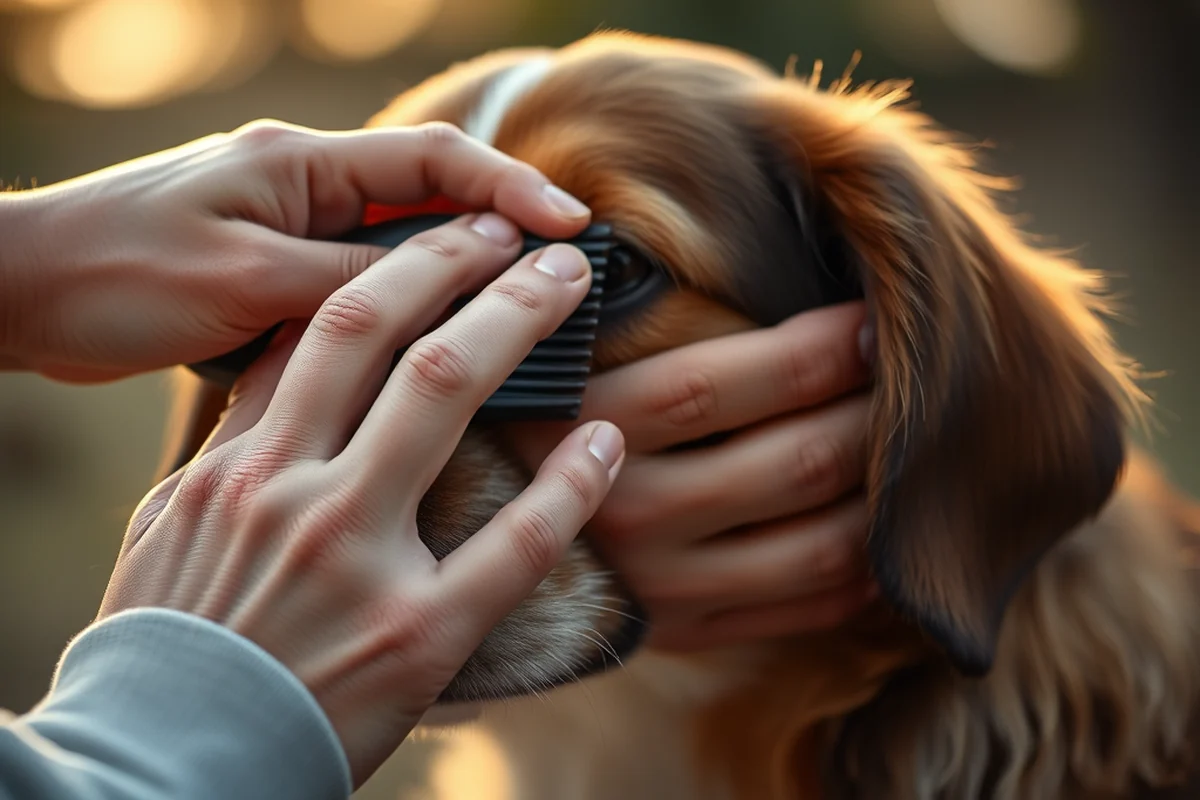
Cochlear implants are a more invasive option and are typically reserved for severe or total hearing loss. These devices consist of an external component (like a hearing aid) and an internal part that is surgically implanted. For senior pets, this is a major decision because of the risks involved, especially in older animals with pre-existing health conditions.
I’ve spoken with a few pet owners who chose cochlear implants for their dogs. In most cases, it was because their pets had complete hearing loss and were not responding to any other treatment. One owner shared that her senior German shepherd, who had been completely deaf for years, was able to hear again after the implant. It was a miracle for her, but it came with a steep price and a long recovery period.
The implant process is not something to take lightly. It requires surgery, anesthesia, and a long recovery. I recommend discussing the risks and benefits thoroughly with a veterinary specialist before making a decision. It’s not a quick fix, but for some pets, it can be life-changing.[2]
Cochlear implants can be a miracle for some pets, but they come with risks and a high cost.
Related: What s the best over ear wireless headphones
How to Choose Between Hearing Aids and Cochlear Implants
When I was trying to decide between hearing aids and cochlear implants for Max, I asked my vet a lot of questions. He explained that for pets with mild to moderate hearing loss, hearing aids are usually the first option. For those with severe or complete hearing loss, cochlear implants may be considered, but only after careful evaluation.
The vet also emphasized that older pets may not be good candidates for surgery. This was a concern for me because Max was in his senior years. I found that hearing aids were a safer, more affordable option for him. But I also learned that some pets, especially those who are otherwise healthy, can benefit greatly from implants if their hearing loss is total.
It’s important to work closely with your vet and to monitor your pet’s hearing regularly. I’ve found that early detection and intervention can make a big difference in the quality of life for senior pets.
Schedule regular checkups with your vet to monitor your pet’s hearing. Early detection can help you choose the best treatment option.
“When I first noticed my senior golden retriever, Max, struggling to hear my voice in the early morning, I felt a mix of confusion and…”— Senior Pet Hearing Loss editors
Related: Mdhearing hearing aids
Costs and Insurance Coverage
The cost of hearing aids for pets can range from $300 to $1,500, depending on the brand, fit, and features. For senior pets, this is a significant investment, but it’s usually more manageable than cochlear implants. I found that the average cost for a hearing aid was around $350, which was within my budget.
Cochlear implants, on the other hand, are much more expensive. The surgery alone can cost anywhere from $3,000 to $10,000, not including the cost of the implant, follow-up care, and recovery. Some insurance companies may cover part of the cost, but it’s rare to find full coverage for pets. (60%, cdn.clinicaltrials.gov)[3]
If you’re considering either option, it’s a good idea to check with your pet insurance provider to see what’s covered. I found that my insurance didn’t cover hearing aids or implants, but I was able to use some of my savings to help offset the cost.
Related: Horizon ix hearing aids reviews
Success Rates and Long-Term Outcomes
From what I’ve learned, hearing aids are usually the best option for senior pets with mild to moderate hearing loss. They can help pets hear better, but they’re not a perfect solution. Some pets may not adapt well to the device, and others may require frequent adjustments.
Cochlear implants, while more invasive, can be life-changing for pets with complete hearing loss. I spoke with one owner who shared that her dog, who had been deaf for years, was able to hear again after the implant. It was a dramatic change, but it took time for the dog to get used to the new sounds.
The success rate of both options depends on the pet’s health, age, and the severity of the hearing loss. I found that it’s important to have realistic expectations and to be patient with the process. Some pets may take weeks or even months to adjust to a new hearing aid or implant.
Related: Otc hearing aids with bluetooth
Lifestyle Considerations
When Max first got his hearing aid, I had to get used to the fact that he would still miss some sounds. I also had to make sure the device was properly maintained, which meant cleaning it regularly and checking for damage. It was a learning curve for both of us.
For pets with cochlear implants, the lifestyle changes can be even more significant. These pets may need more frequent vet visits, and the owner may have to help them adjust to the new sounds and sensations. It’s a big commitment, but for some pets, it’s worth it.
I found that the key to success with either option is consistency. Whether it’s cleaning the hearing aid or helping the pet get used to the implant, routine is essential. If you’re not willing to make adjustments, it may not be the right choice for your pet.
Both hearing aids and cochlear implants require patience and routine to be successful.
Related: Horizon ix hearing aids
The Emotional Impact of Hearing Loss in Senior Pets
When Max started losing his hearing, I felt like a part of him was slipping away. He became more withdrawn, and I could tell he was confused and scared. It was heartbreaking to see him struggle with something so basic as hearing his own name.
I found that the emotional impact of hearing loss can be just as significant as the physical challenges. Pets may become anxious or disoriented, and they may not respond to their usual commands. This can lead to frustration for both the pet and the owner.
But there is hope. With the right tools and support, many senior pets can regain some of their hearing and even enjoy a better quality of life. I’ve seen it happen with Max and with other pets in my community. It’s a journey, but it can be a rewarding one.
🦴 Senior Pet
Hearing aids are often the best option for senior pets with mild to moderate hearing loss.
🐶 Small Breed
Small breeds may have different needs when it comes to hearing aids and implants.
🐾 Multi-Pet Home
In a multi-pet home, the choice between hearing aids and implants may affect other pets as well.
💰 Budget
Hearing aids can be a more affordable option for pet owners with limited budgets.
✈️ Travel
Traveling with a pet that has a hearing aid or implant may require additional planning.
| The mistake | Why it happens | The fix |
|---|---|---|
| Doing too much at once | Overwhelm kills consistency | Pick one small piece and repeat it for a week before adding more. |
| Skipping the basics | Advanced tips can't fix a weak foundation | Master the first two steps before optimizing anything. |
Cochlear Implants Vs Hearing Aids
Common Questions
Can a senior pet with hearing loss still benefit from a hearing aid?
Are cochlear implants safe for senior pets?
How long does it take for a pet to adjust to a hearing aid?
Can I use a hearing aid for my pet if it has complete hearing loss?
References
- Cochlear™ Nucleus® CI624 cochlear implant - accessdata.fda.gov (accessdata.fda.gov)
- Implantable Hearing Devices - StatPearls - NCBI Bookshelf - NIH (ncbi.nlm.nih.gov)
- STUDY PROTOCOL – COVER PAGE Title: Clinical Investigation of ... (cdn.clinicaltrials.gov)
Cite this guide
Senior Pet Hearing Loss (2026). Cochlear Implants Vs Hearing Aids. https://hearingharbor.com/cochlear-implants-vs-hearing-aids/
Feel free to cite or share this guide.
Senior Pet Hearing Check
Scores everyday signs of hearing loss in senior pets.
Open it free →