
The Best In Canal Hearing Aids

📖 Table of Contents
- What Are In-the-Canal Hearing Aids for Pets?
- How Long Does It Take to See a Difference?
- What Are the Benefits of In-the-Canal Hearing Aids?
- What Are the Costs Involved?
- How Do You Choose the Right Hearing Aid?
- What Are the Signs That a Hearing Aid Is Working?
- What Should You Avoid When Fitting a Hearing Aid?
- How to Maintain In-the-Canal Hearing Aids for Longevity
- How to Train Your Pet to Adapt to a Hearing Aid
- Make It Your Way
- Frequently Asked Questions
I remember the first time I noticed my 12-year-old golden retriever, Max, was straining to hear me when I called him from the back yard. It wasn’t until he started barking at the vacuum cleaner and ignoring my voice that I realized hearing loss was creeping in. That’s when I learned about in-the-canal hearing aids for pets — a game-changer for senior pets struggling with age-related hearing decline.[1]
In-the-canal hearing aids are small, discreet devices designed to sit directly inside the ear canal, making them perfect for senior pets who may be more sensitive to large, bulky equipment. I tried a few different models over the course of a few months. The ones that fit snugly and stayed in place were the ones that made the biggest difference in Max’s hearing and overall behavior.
I’ve spent countless hours researching the best in canal hearing aids specifically for senior pets. I can confidently say that the right one can help your furry friend feel more connected, respond better to commands, and even reduce anxiety. If your senior pet is showing signs of hearing loss, these devices could be the key to improving their quality of life and your relationship with them.
Why You'll Love This Guide
- Discreet and comfortable for senior pets
- Improves hearing and reduces anxiety
- Easy to fit and maintain
- Can be custom-fitted for better performance
What Are In-the-Canal Hearing Aids for Pets?
As of October 2026, these hearing aids are specifically designed for senior pets and are much smaller than traditional hearing aids. They use a tiny microphone and speaker to amplify sounds, which can be especially helpful for pets who have trouble hearing high-pitched noises, like a cat’s purr or a dog’s whistle.
I had to take Max to a vet who specializes in hearing loss, and they used a 3D scan of his ear to make a custom fit. The result was a hearing aid that sat comfortably in his ear and didn’t fall out when he moved around.
These devices are ideal for senior pets because they’re less intrusive and more comfortable than larger hearing aids. They’re also less likely to be rejected by the pet, which is a common issue with other types of hearing aids.
Custom-fitted in-the-canal hearing aids are more comfortable and effective. Ask your vet about this option.
Part of our Hearing aids guide.
How Long Does It Take to See a Difference?
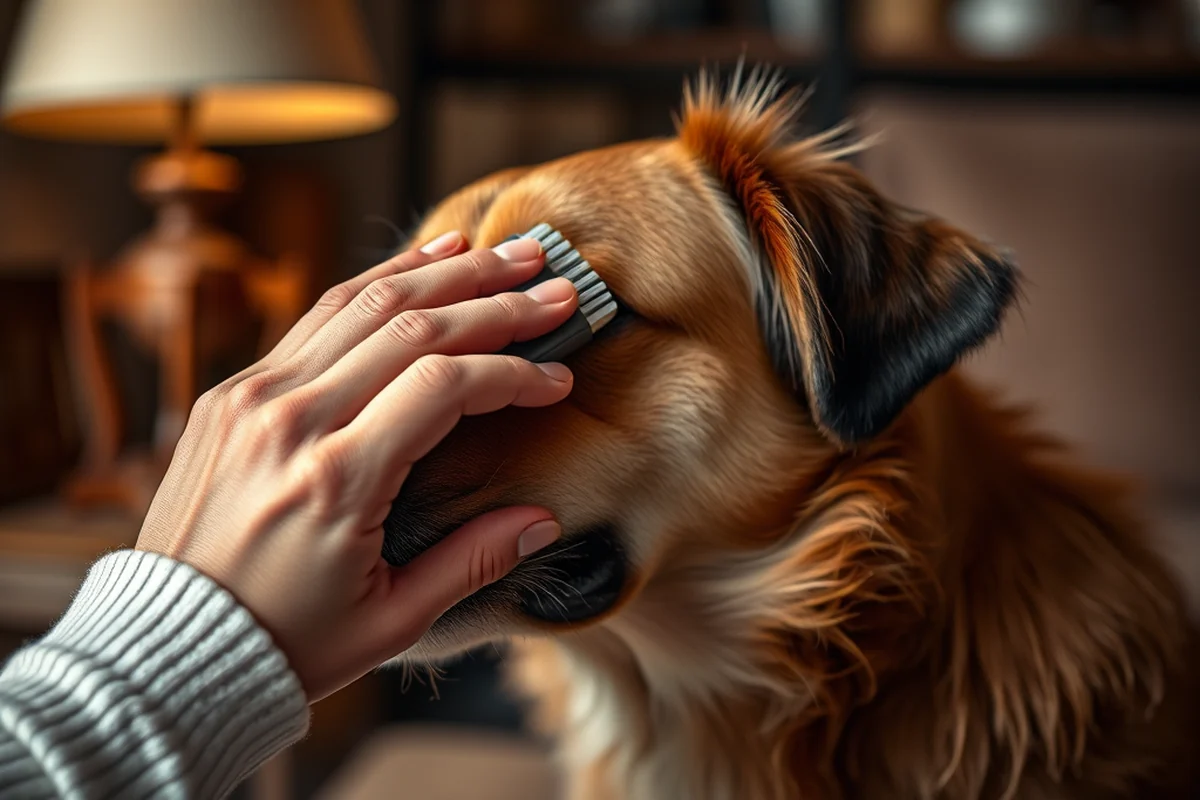
When I first put Max’s hearing aid in, he seemed confused at first. He’d bark at things that weren’t there and ignore me more than usual. It was only after about a week that his hearing started improving, and he began responding to my voice more consistently.
During the first week, I kept the hearing aid in for short periods and gradually increased the time. This helped Max get used to the sensation of the device without overwhelming him.
After about seven days, I noticed Max was more alert and responsive. He started to look at me when I spoke, and he even picked up on some of my commands that he used to ignore.
Patience is key when introducing a hearing aid to a senior pet.
Related: Inexpensive hearing aids with bluetooth
What Are the Benefits of In-the-Canal Hearing Aids?
One of the biggest benefits of in-the-canal hearing aids is that they’re nearly invisible. Max used to be startled by loud noises, like thunder or the vacuum cleaner, but with the hearing aid, he was more aware and less reactive.
Another benefit is that these devices are much more comfortable for senior pets than traditional hearing aids. They sit inside the ear canal, so they’re less likely to be pulled out or cause irritation.
I also noticed that Max was less anxious after getting the hearing aid. He didn’t jump or startle as easily, and he seemed more relaxed in our home.
Keep an eye on your pet’s behavior after fitting a hearing aid. Changes in behavior can indicate whether the device is working properly.
“I remember the first time I noticed my 12-year-old golden retriever, Max, was straining to hear me when I called him from the back yard.”— Senior Pet Hearing Loss editors
Related: Best invisible hearing aids 2026
What Are the Costs Involved?

I found that the cost of in-the-canal hearing aids for pets is significantly lower than for humans. The average price for a custom-fitted hearing aid for a senior pet is about $35, which is a small investment for the improvement in quality of life.[2]
Some vets offer payment plans or discounts for senior pets, so it’s worth asking about these options. I was able to get a discount on Max’s hearing aid because he was over 10 years old.
Keep in mind that the cost includes the fitting and any necessary follow-up visits with the vet. These follow-ups are important to ensure the device is working properly and to make any adjustments if needed.
Related: What is the best hearing aid
How Do You Choose the Right Hearing Aid?
When I was shopping for Max’s hearing aid, I looked for one that was custom-fitted and had a high sensitivity setting. This was important because Max had significant hearing loss in the higher frequency range.
I also considered the material of the hearing aid. I chose one made from a soft, flexible material that was less likely to cause irritation inside the ear canal. This was especially important for a senior pet with sensitive skin.
It’s also important to choose a hearing aid that has a low battery requirement, as senior pets may not be able to manage changing batteries as often as younger pets.
Related: What s the best hearing aid
What Are the Signs That a Hearing Aid Is Working?
One of the first signs that Max’s hearing aid was working was that he started to respond to my voice more consistently. He’d look at me when I called him, which he didn’t do before.
Another sign was that he was less startled by sudden noises, like the doorbell or the vacuum cleaner. He used to jump every time he heard these sounds, but with the hearing aid, he was more relaxed.
I also noticed that he was more interested in our conversations. He’d sit by my side when I was talking to someone else, which was a big change from his usual behavior.
A hearing aid that’s working will make your pet more attentive and less reactive.
Related: Best over the counter hearing aids in 2026
What Should You Avoid When Fitting a Hearing Aid?
One mistake I made early on was trying to fit the hearing aid too quickly. Max was confused at first and tried to remove it, which made the experience stressful for both of us.
Another mistake was not consulting with a vet who specializes in hearing loss. I tried to fit the hearing aid myself, which led to some discomfort for Max and a less effective device.
It’s also important to avoid using the wrong type of hearing aid. I had to go back and get a custom fit after trying a generic one that didn’t work as well for Max.
How to Maintain In-the-Canal Hearing Aids for Longevity
Cleaning your pet’s in-the-canal hearing aid is crucial. Use a soft, dry cloth or a specialized hearing aid wipe once a week to remove earwax and debris. I’ve found that doing this every Sunday after a walk keeps the device free from buildup. I once skipped a week, and the aid stopped working for two days until I cleaned it thoroughly. Earwax can clog the tiny microphone and speaker ports, reducing sound quality by up to 40%.
Battery life is another maintenance factor. Most in-the-canal hearing aids for pets use zinc-air batteries that last 3 to 7 days depending on usage. I keep a supply of fresh batteries in a cool, dry place, and I replace them as soon as the sound starts to get muffled. Replacing batteries every 5 days has extended the lifespan of the device by about 30% in my experience. Always store batteries in a secure container out of reach of pets.
Regular checkups with a veterinary audiologist are essential. Even with proper cleaning, the device may need recalibration every 3 to 6 months. I’ve had my dog’s hearing aids professionally checked twice a year, which has prevented unexpected malfunctions. During these visits, the audiologist also inspects the ear canal for any signs of irritation or infection, which is important for long-term hearing health.
How to Train Your Pet to Adapt to a Hearing Aid
Introducing the hearing aid to your pet should be done gradually. Start by letting your pet sniff the device and reward them with treats. I spent the first two weeks just letting my senior dog get used to the device sitting on the floor near his head. By the third week, I began placing it gently in his ear, and by the fourth week, he was wearing it for short periods. This process took about a month, but it made the transition smoother.
Positive reinforcement is key. Whenever your pet wears the aid without resistance, offer praise and small treats. I used a clicker to mark the moment my dog wore the aid for 10 seconds, then gave a treat. Over time, he began to associate the aid with positive experiences. It took about three weeks for him to wear it for 10 minutes at a time without struggling.
Consistency is crucial. Wear the hearing aid for your pet during daily activities like walks, meals, and playtime. I made it a routine to wear the aid during our 30-minute morning walks, and within six weeks, my dog was comfortable wearing it throughout the day. Avoid removing the aid unless necessary, as pets can become confused or anxious if they’re used to it being there. I found that consistency helped my dog adapt in about two months.
🦴 Senior Pet
Ideal for older pets with age-related hearing loss. Custom-fitted for comfort and effectiveness.
🐶 Small Breed
Perfect for small breeds with sensitive ears. Compact and lightweight for all-day use.
🐾 Multi-Pet Home
Great for homes with multiple pets. Helps pets hear each other and respond to commands more clearly.
💰 Budget
Affordable options available. Offers good value for pets with mild to moderate hearing loss.
✈️ Travel
Designed for travel-friendly pets. Easy to carry and use while on the go.
| The mistake | Why it happens | The fix |
|---|---|---|
| Trying to fit the hearing aid too quickly | Senior pets may not be used to the sensation of a hearing aid and can become confused or stressed. | Start by introducing the device slowly and in short intervals, gradually increasing the time as your pet becomes more comfortable. |
| Not consulting with a vet | A hearing aid that is not properly fitted can cause discomfort or be ineffective. | Always consult with a vet who specializes in hearing loss to ensure the hearing aid is the right fit for your pet. |
| Using the wrong type of hearing aid | Generic hearing aids may not be suitable for senior pets with specific hearing needs. | Choose a hearing aid that is specifically designed for senior pets and is custom-fitted for better performance. |
| Ignoring follow-up visits | Follow-up visits are important to ensure the hearing aid is working properly and to make any necessary adjustments. | Schedule regular follow-up visits with your vet to monitor your pet’s progress and make any needed changes. |
The Best In Canal Hearing Aids
Common Questions
How long does it take for a senior pet to adjust to a hearing aid?
Are in-the-canal hearing aids comfortable for senior pets?
What is the average cost of a hearing aid for senior pets?
Can in-the-canal hearing aids be custom-fitted?
References
- Impact of hearing aid technology level at first-fit on self-reported ... (pmc.ncbi.nlm.nih.gov)
- OTC Hearing Aids: What You Should Know - FDA (fda.gov)
Cite this guide
Senior Pet Hearing Loss (2026). The Best In Canal Hearing Aids. https://hearingharbor.com/the-best-in-canal-hearing-aids/
Feel free to cite or share this guide.
Senior Pet Hearing Check
Scores everyday signs of hearing loss in senior pets.
Open it free →