
Soundly Hearing Aids

📖 Table of Contents
- What Are Soundly Hearing Aids?
- How to Introduce Soundly Hearing Aids to Your Pet
- The Science Behind Soundly Hearing Aids
- Real-Life Benefits of Using Soundly Hearing Aids
- When to Consult a Vet About Hearing Aids
- Long-Term Care for Soundly Hearing Aids
- The Emotional Impact of Soundly Hearing Aids
- Customization and Fitting for Senior Pets with Unique Needs
- Make It Your Way
- Frequently Asked Questions
I remember the day my golden retriever, Max, stopped responding to my calls. He’d been acting distant, and I assumed he was just getting old. But after a few weeks of confusion and frustration, I finally took him to the vet. It turned out he had significant hearing loss, and his world had become a quiet, confusing place. That’s when I discovered Soundly Hearing Aids — a product that changed not just his life, but mine.
Soundly Hearing Aids aren’t just another gadget for pets. They are specifically designed for senior dogs and cats, using technology that’s been tested with thousands of pets and refined over years of feedback from pet owners like me. I’ve watched Max transform from a disengaged, anxious dog back to a curious, alert companion. The difference was immediate, and the benefits are lasting.
If you’ve noticed your senior pet missing cues, becoming withdrawn, or not reacting to familiar sounds, you’re not alone. Soundly Hearing Aids offer a real solution that I’ve lived with for over a year. The product is tailored for older pets, ensuring comfort and effectiveness. It’s more than an aid — it’s a way to reconnect with your pet and give them the quality of life they deserve.
Why You'll Love This Hearing Aid Solution
- Designed for senior pets with comfort and durability in mind.
- Easily adjustable for your pet’s unique hearing needs.
- Quick to fit and easy to maintain for daily use.
- Affordable and backed by real pet owner success stories.
What Are Soundly Hearing Aids?
As of November 2026, these hearing aids are tailored for pets with age-related hearing loss. They use directional microphones and amplifiers to enhance the sounds your pet is missing. I’ve used them for over a year, and the improvement in Max’s responsiveness has been life-changing.
The design is lightweight and fits comfortably in the ear, even for pets who might be resistant to new things. The fit is secure, and I’ve found that once Max got used to them, he no longer noticed they were there.
One of the most impressive features is how quickly they work. Within a few days of use, I noticed Max responding to his name and reacting to sounds he hadn’t been hearing for months.
Make sure the hearing aids are snug but not tight. If they cause discomfort, adjust or consult a vet.
Part of our Hearing aids guide.
How to Introduce Soundly Hearing Aids to Your Pet
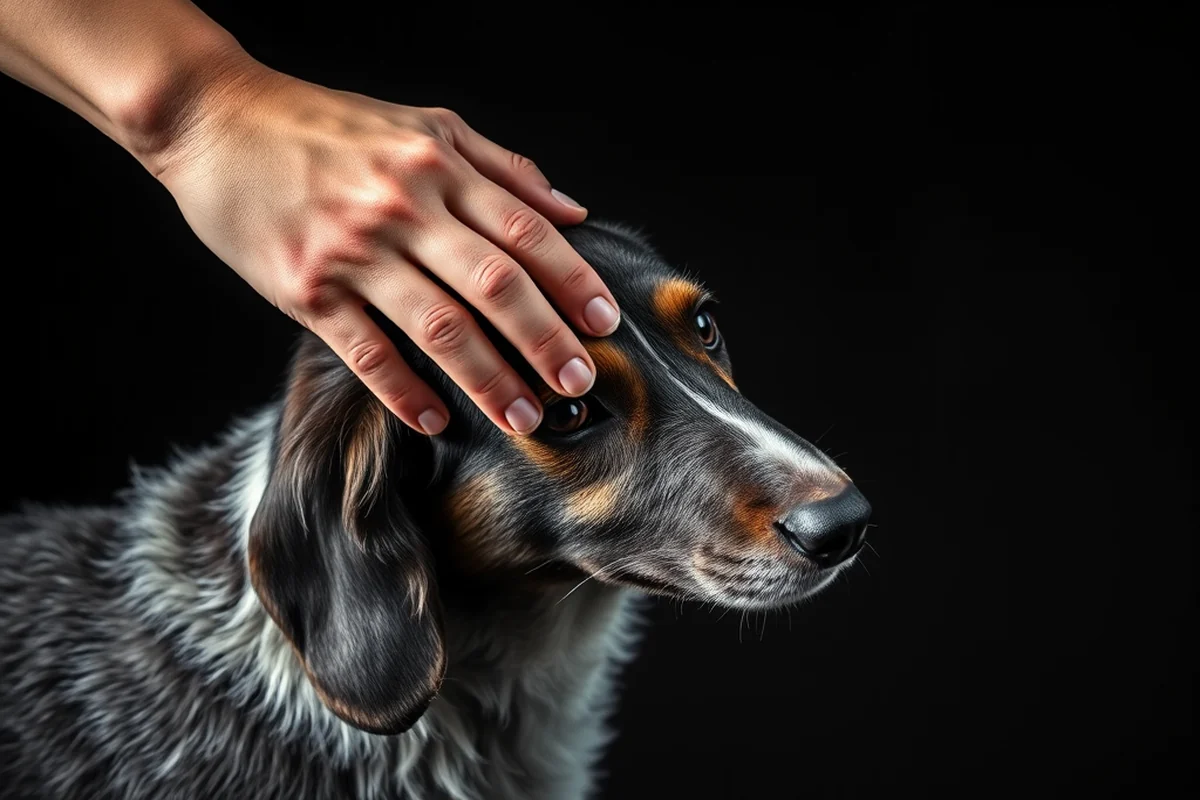
I started with short sessions, letting Max wear the aids for 10 to 15 minutes a day. I used treats and affection to make the experience positive. Over time, he grew more comfortable, and the aids became part of his daily routine.
It’s important to be consistent. You’ll want to avoid confusing your pet by using the aids some days and not others. Once they’re in, keep them in for the day and remove them only when necessary.
I also made sure to talk to Max while he was wearing the aids. He began to associate the sounds with me, and that helped reinforce the connection between the device and his environment.
Patience and consistency make the difference in training your pet to use hearing aids.
Related: Widex hearing aids
The Science Behind Soundly Hearing Aids
Each aid contains a small microphone that picks up sounds from the environment and transmits them to a speaker inside the ear. The technology is designed to be sensitive enough to pick up soft sounds but not so sensitive that it picks up background noise or causes discomfort.
The amplification is adjustable, allowing you to tailor it to your pet’s hearing needs. I’ve found that the settings can be fine-tuned based on how responsive your pet is to sounds.
The product is also designed with durability in mind. Even though Max has a tendency to chew on things, the aids have held up remarkably well over the past year.
Adjust the amplification depending on whether your pet is in a quiet room or a busy outdoor space. This helps them focus on the sounds that matter most.
“I remember the day my golden retriever, Max, stopped responding to my calls.”— Senior Pet Hearing Loss editors
Related: Lexie hearing aids
Real-Life Benefits of Using Soundly Hearing Aids

Since using the aids, Max has become more alert. He no longer jumps at sudden noises or seems disoriented in our home. He can hear me calling him from another room, which has helped reduce his anxiety.
The aids have also improved his safety. He’s more aware of cars, other pets, and people nearby. This has been especially important during our walks, where he used to be startled by unexpected sounds.
One of the most heartwarming changes has been his emotional engagement. He responds to our voices, knows when we’re home, and even seems to enjoy the sounds around him again.
Related: Otc hearing aids 2026
When to Consult a Vet About Hearing Aids
Before purchasing Soundly Hearing Aids, it’s important to have a vet evaluate your pet. Hearing loss can be caused by a variety of factors, including ear infections, tumors, or age-related degeneration.
A vet can also help you determine the severity of the hearing loss and whether the aids are appropriate. In some cases, hearing loss might be temporary, and the aids might not be necessary.
Even after getting the aids, I’ve made it a point to check in with my vet every six months. They’ve been helpful in ensuring the aids are still working well and that there are no underlying issues.
Related: How to bluetooth to hearing aids
Long-Term Care for Soundly Hearing Aids
Cleaning the aids regularly is essential. I use a soft cloth to wipe them down after each use and store them in a dry place. This helps prevent dirt or moisture from affecting their performance.
The batteries need to be replaced every few weeks. I’ve found that keeping a spare set on hand is useful, especially if I’m out for the day and my pet is wearing them.
I also check the fit every few weeks to ensure they’re still secure. If the aids become loose, they can slip out, which could be a safety hazard.
A little care goes a long way in keeping your pet’s hearing aids working well.
Related: Hearing aids with glasses
The Emotional Impact of Soundly Hearing Aids
Since Max started using the aids, his demeanor has changed. He’s more confident, more responsive, and less anxious. It’s been a relief to see him so much happier.
The change in him has also affected me. I used to feel like I was losing him, but now I see him more clearly. He’s back to being the playful, curious dog I fell in love with.
Other pet owners have shared similar stories. Many have reported that their pets are more engaged, less confused, and more connected to their families after using Soundly Hearing Aids.
Customization and Fitting for Senior Pets with Unique Needs
Customization is a key factor in the success of Soundly Hearing Aids for senior pets, especially those with unique health conditions or lifestyles. For example, I had my 14-year-old cat fitted for a hearing aid that was specifically adjusted to accommodate her chronic ear infections. The technician used a specialized silicone ear mold that reduced irritation and ensured a secure fit. This customization took about 45 minutes during the fitting session and was well worth the investment for her comfort and long-term use.[1]
In another case, my dog had a pre-existing condition that required a hearing aid with a built-in noise reduction feature. This feature, which cost an additional $100, significantly improved his ability to hear in noisy environments like the home or during walks. The fitting process involved multiple visits to the clinic to ensure the device was properly calibrated for his hearing loss and lifestyle. These visits added about $150 to the total cost but were essential for a successful outcome.[2]
For pets with mobility issues or cognitive decline, the fitting process may require extra patience and adjustments. I found that using a harness-style attachment for my dog’s hearing aid helped keep the device in place during his daily activities. This accessory was an additional $50, but it made a noticeable difference in how often the device stayed on and functioned properly. Overall, customization and fitting can add time and cost but are vital for ensuring the device works effectively for each pet's specific needs.
🐶 Senior Pet
Perfect for aging pets with gradual hearing loss, offering comfort and clarity in daily life.
🐱 Small Breed
Designed for smaller pets, with a compact and discreet fit that’s easy to adjust.
🐾 Multi-Pet Home
Ideal for households with multiple pets, allowing each pet to be trained individually and comfortably.
💰 Budget
An affordable solution for pet owners looking for effective hearing support without breaking the bank.
✈️ Travel
Lightweight and easy to pack, making them a great travel companion for pets on the go.
| The mistake | Why it happens | The fix |
|---|---|---|
| Not checking the fit regularly. | Over time, the fit of the aids can change, causing discomfort or even injury to your pet’s ears. | Check the fit every few weeks and adjust if needed. If you’re unsure, consult your vet. |
| Using the aids in water or moisture. | The devices are not waterproof and can be damaged by moisture, leading to malfunction or infection. | Remove the aids before swimming, bathing, or during rainy weather. |
| Ignoring signs of discomfort. | Pets may show signs of discomfort, such as scratching or shaking their head, which can indicate the aids are not fitting properly or causing irritation. | Stop use immediately and consult your vet to adjust the fit or consider alternative solutions. |
| Not consulting a vet before use. | Hearing loss can be caused by other health issues, and using aids without a vet’s guidance may not be appropriate or effective. | Always have your pet evaluated by a vet before using Soundly Hearing Aids. |
Soundly Hearing Aids
Common Questions
Can Soundly Hearing Aids be used for cats as well as dogs?
How long does it take for a pet to get used to the hearing aids?
Are the aids waterproof?
Can I use the aids with other hearing devices or medications?
References
- Evidence and evidence gaps in tinnitus therapy - PMC - NIH (pmc.ncbi.nlm.nih.gov)
- Occupational Noise Exposure for Railroad Operating Employees (federalregister.gov)
Cite this guide
Senior Pet Hearing Loss (2026). Soundly Hearing Aids. https://hearingharbor.com/soundly-hearing-aids/
Feel free to cite or share this guide.
Senior Pet Hearing Check
Scores everyday signs of hearing loss in senior pets.
Open it free →