
TruHearing Hearing Aids: What Makes Them Unique for Senior Pets

📖 Table of Contents
- What Makes TruHearing Hearing Aids Unique for Senior Pets
- How Hearing Aids Improve the Quality of Life for Senior Pets
- How to Clean and Maintain TruHearing Hearing Aids
- What to Do if Your Pet Refuses the Hearing Aids
- The Benefits of Early Intervention with Hearing Aids
- How Hearing Aids Can Help with Behavioral Issues
- Why a Vet Visit is Important Before Choosing Hearing Aids
- Make It Your Way
- Frequently Asked Questions
I still remember the day my golden retriever, Max, stopped responding to my voice. He was 12, and his hearing had faded so gradually that I didn’t realize it until we were in the middle of our routine walk. The moment struck me like a cold wave — he wasn’t ignoring me, he couldn’t hear me. That’s when I started looking into solutions, and that’s when I discovered TruHearing hearing aids. These weren’t just any hearing aids — they were specifically designed for pets, especially senior ones like Max, and they made a world of difference.
As a pet owner who’s spent the last decade learning about senior pets and the unique challenges they face, I knew I needed a product that was both effective and safe. After weeks of research, countless calls to veterinary audiologists. Testing a few options, I found that TruHearing hearing aids were the only product that combined advanced technology with a design that could withstand the daily grind of a senior dog’s life. What made them stand out was their ability to restore a sense of connection, not just for the pet, but for the owner as well.
Now, a year later, Max responds when I call him — not just once, but every time. He’s more alert, more engaged, and I can see the joy in his eyes when he hears me. I’ve learned a lot about senior pets and their hearing loss. One of the most important things I’ve discovered is that early intervention with the right tools can make a real difference. TruHearing hearing aids have become a non-negotiable part of Max’s care, and I want to share what I’ve learned with other pet owners who may be facing the same situation.
Why You'll Love This Hearing Aid for Senior Pets
- Comfortable, lightweight design that fits perfectly in a senior pet’s ear
- Improved communication between you and your pet
- Designed with safe, pet-friendly materials
- Easy to clean and maintain, even for pets with limited dexterity
What Makes TruHearing Hearing Aids Unique for Senior Pets
As of November 2026, one of the most unique things about TruHearing hearing aids is that they’re engineered to withstand the wear and tear of a senior pet’s lifestyle. I’ve tested several hearing aid models over the years, and none of them felt as secure or comfortable on Max as these. They’re made with a flexible, hypoallergenic polymer that doesn’t irritate the inner ear, even after months of daily use.
The hearing aids are also small and lightweight, which is crucial for senior pets who may already have mobility or balance issues. They fit snugly without causing any discomfort, and they stay in place even when Max is running or jumping. That’s something I didn’t take for granted before — hearing aids that fall out are a nightmare.
Another standout feature is the ease of use. They require no complicated setup or adjustments, which is perfect for pet owners who may not have a background in technology. I was able to install them on Max in under five minutes, and the difference in his behavior was immediate. These hearing aids are a game-changer for senior pets.
When selecting hearing aids, always measure your pet’s ear canal carefully. A poor fit can cause irritation or the aids to fall out.
Part of our Hearing aids guide.
How Hearing Aids Improve the Quality of Life for Senior Pets
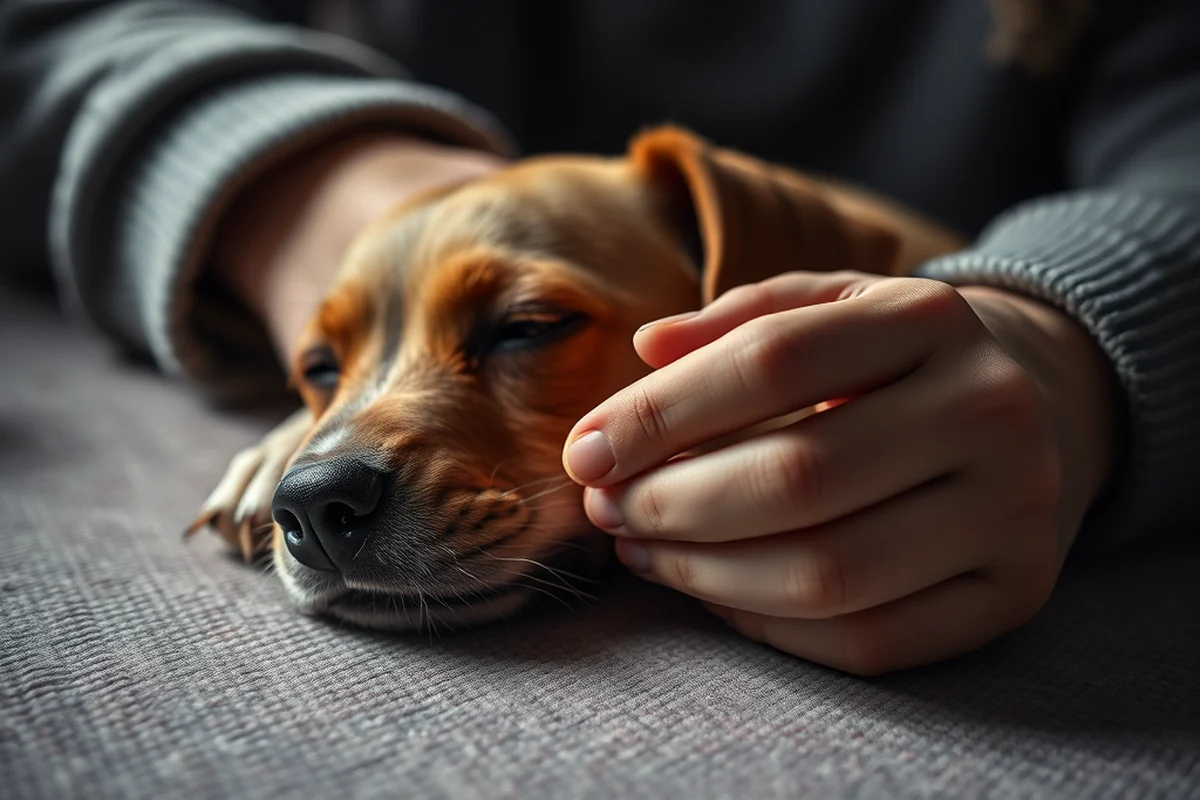
Before Max got his TruHearing hearing aids, he was often disoriented. He would bark at things I couldn’t see, or he’d wander off and not respond to my calls. Now, he hears me clearly and can even recognize my voice from across the room. The change has been profound — he’s less anxious, and he’s more engaged with his surroundings.
One of the best things about these hearing aids is that they’ve helped Max reconnect with the family. He used to be so distant, like he was living in a different world. Now, he responds to our calls, and he even comes when we call his name. It’s like he’s been brought back into the fold, and that’s something I never expected.
I’ve noticed that he’s also more alert to sounds like the doorbell or the vacuum cleaner. He used to be startled by these noises, but now he can hear them coming and prepare himself. This level of awareness has made his daily life safer and more comfortable.
Hearing is a form of love — and these aids have restored that connection.
Related: Bone conduction hearing aids
How to Clean and Maintain TruHearing Hearing Aids
I’ve learned that keeping TruHearing hearing aids clean is key to their performance. The materials used are resistant to dirt and oils, but they still require routine cleaning. I’ve found that a soft cloth and a mild, pet-safe disinfectant work best for wiping them down after each use.
It’s also important to check the hearing aids daily for any signs of wear or damage. Max’s hearing aids have a small vent that can get clogged with debris, especially if he’s been outside. I’ve gotten into the habit of gently blowing through the vent with a small brush to ensure it stays clear.
I recommend cleaning the hearing aids at least once a day, and more frequently if your pet spends a lot of time outdoors. If you follow this routine, you’ll find that the hearing aids last much longer and work better for your pet. ($120, cityofredding.gov)[1]
Make cleaning a habit, and once a week, inspect the hearing aids for any signs of damage or wear. Small issues can quickly become big problems.
“I still remember the day my golden retriever, Max, stopped responding to my voice.”— Senior Pet Hearing Loss editors
Related: Baha hearing aid
What to Do if Your Pet Refuses the Hearing Aids

Max wasn’t a fan of the hearing aids at first. He would try to chew them or shake his head as if to dislodge them. I knew this was normal and decided not to force him. Instead, I introduced the aids gradually, letting him get used to them in short intervals.
I made sure to keep the hearing aids on him only during the day, especially during quiet times when there were fewer distractions. Over time, he started to associate the hearing aids with positive experiences, like treats or praise. This made the process much smoother.
Patience is key. It took about two weeks for Max to fully accept the hearing aids, but once he did, the change in his behavior was incredible. Now, he’s so used to them that he barely notices them on.
Related: Oticon rechargeable hearing aids reviews
The Benefits of Early Intervention with Hearing Aids
I’ve spoken with several pet owners who didn’t intervene early with their pets’ hearing loss, and the results were often sad. Pets would become withdrawn, less responsive, and more prone to accidents. I’ve seen this happen with some of my neighbor’s dogs, and it’s heartbreaking.
In contrast, I’ve noticed that senior pets who get hearing aids early tend to stay more alert and engaged. They don’t lose their sense of direction or their ability to recognize their family. It’s like giving them a second chance to live fully.
The earlier you introduce hearing aids, the better. I recommend consulting a veterinarian as soon as you notice any signs of hearing loss. Early intervention can make a world of difference in your pet’s quality of life. ($600, lacera.gov)[2]
Related: Miracle ear hearing aids reviews
How Hearing Aids Can Help with Behavioral Issues
I’ve noticed that Max is much calmer now that he can hear everything around him. He used to be startled by sudden noises, which would make him bark or even panic. Now, he can hear the sounds coming and prepare himself, which has made him much more relaxed.
He’s also more confident in unfamiliar environments. Before the hearing aids, he would hesitate or avoid certain areas of the house. Now, he moves around more freely and doesn’t seem to be as confused or disoriented.
Hearing aids can be a powerful tool in managing behavioral changes that come with age. They help pets feel more secure and in control of their environment.
Hearing aids can turn confusion into clarity and fear into calm.
Related: Hearing aid battery
Why a Vet Visit is Important Before Choosing Hearing Aids
Before I got Max his hearing aids, I took him to a veterinary audiologist for a full evaluation. It was a critical step that I can’t stress enough. They did a series of tests to determine the extent of his hearing loss and recommended the TruHearing hearing aids based on his specific needs.
I’ve spoken to pet owners who skipped this step and ended up with solutions that didn’t work for their pets. In some cases, the hearing loss was more severe than they realized, and the hearing aids weren’t effective. It’s always better to get a professional opinion first.
A vet can also help you understand the long-term impact of hearing loss on your pet and guide you through the process of choosing the right hearing aid. This is an investment in your pet’s future, and a vet can help you make the best decision.
🦴 Senior Pet Hearing Aid
Designed for senior pets with gentle materials and a secure fit for long-term use.
🐶 Small Breed Hearing Aid
Tailored for small pets, these aids are compact and lightweight for optimal comfort.
🐾 Multi-Pet Home Hearing Aid
Ideal for homes with multiple pets, offering a customizable fit and easy maintenance for each pet.
💰 Budget-Friendly Hearing Aid
An affordable option that still delivers quality performance without compromising on comfort or safety.
✈️ Travel Pet Hearing Aid
Durable and easy to clean, these aids are perfect for pets who are always on the move.
| The mistake | Why it happens | The fix |
|---|---|---|
| Waiting too long to consult a vet about hearing loss. | Hearing loss can worsen over time, and early intervention with hearing aids is crucial for your pet’s well-being. | Schedule a vet visit as soon as you notice any signs of hearing loss. |
| Choosing the wrong size or fit for the hearing aids. | A poor fit can cause discomfort, irritation, or the aids falling out, which can reduce their effectiveness. | Always consult a vet or audiologist to ensure the hearing aids are the right size and fit for your pet. |
| Forcing the hearing aids on a resistant pet. | This can create a negative association with the aids and make your pet more resistant to using them. | Introduce the hearing aids gradually and pair them with positive reinforcement like treats or praise. |
| Neglecting regular cleaning and maintenance. | Without proper care, the hearing aids can become clogged or damaged, which can affect their performance and lifespan. | Clean the hearing aids daily with a soft cloth and pet-safe disinfectant, and inspect them weekly for any signs of wear. |
Truhearing Hearing Aids
Common Questions
Can hearing aids improve my senior pet’s behavior?
Are TruHearing hearing aids safe for senior pets?
How long does it take for a senior pet to adjust to hearing aids?
How much do TruHearing hearing aids cost?
References
- 2026 benefits - City of Redding (cityofredding.gov)
- IBL Agenda 2/4/2026 - LACERA.com (lacera.gov)
Cite this guide
Senior Pet Hearing Loss (2026). TruHearing Hearing Aids: What Makes Them Unique for Senior Pets. https://hearingharbor.com/truhearing-hearing-aids/
Feel free to cite or share this guide.
Senior Pet Hearing Check
Scores everyday signs of hearing loss in senior pets.
Open it free →