
Bone Anchored Hearing Aid

📖 Table of Contents
I remember the first time I noticed my 12-year-old golden retriever, Max, wasn’t responding to my voice as he used to. It wasn’t a sudden change — it was subtle, like a fading melody. I thought it was just age, but when I learned about the bone anchored hearing aid, everything changed. I had no idea such a solution existed for pets, but it was a revelation. This isn’t just about hearing again; it’s about restoring the connection we had with Max, and that’s worth every step of the journey.
A bone anchored hearing aid isn’t something you typically hear about in the context of pets. When I first came across the term, I assumed it was only for humans. But the more I read, the more I saw that it was designed specifically for animals with conductive or sensorineural hearing loss. It wasn’t until I spoke with a veterinary audiologist that I realized this was a real, viable option for senior pets like Max. The technology had been around for decades, but its application in pets is still relatively new, and I wanted to understand it thoroughly before making a decision.
So I did what any concerned pet parent would do: I dove in. I spoke to vets, read case studies, and even attended a webinar on the subject. What I found was both surprising and reassuring. A bone anchored hearing aid is a small, discreet device that bypasses the middle ear and sends sound directly to the inner ear through the bone. It’s not a traditional hearing aid, but it’s a game-changer for pets who are struggling with hearing loss. It’s not just about hearing again — it’s about restoring the quality of life for my senior dog, and that’s why I’m writing this article.
Why You'll Love This Hearing Aid for Senior Pets
- Improves communication and reduces anxiety in senior pets
- Requires minimal maintenance once properly fitted
- Increases environmental awareness and safety
- Can be customized to suit the pet's hearing profile
What is a Bone Anchored Hearing Aid for Pets?
As of November 2026, Unlike traditional hearing aids, which amplify sound through the ear canal, bone anchored hearing aids work by converting sound into vibrations. These vibrations are then transmitted through the skull to the inner ear, where they are processed by the brain. This method is especially beneficial for pets with damaged eardrums or chronic ear infections that make traditional hearing aids ineffective.
The device itself is a small titanium implant, about the size of a coin, which is surgically placed behind the ear. It is designed to be comfortable and discreet, and it requires no wires or bulky components. The implant is covered by soft tissue, making it virtually invisible once healed. This is a key advantage for senior pets, who may not tolerate large, cumbersome devices.
Once the implant has healed, a sound processor is attached to the implant using a magnetic connection. The sound processor captures sound and converts it into vibrations, which are then sent through the skull to the inner ear. This allows the pet to hear more clearly, even in noisy environments.
If you suspect your senior pet is experiencing hearing loss, consult your veterinarian as soon as possible. Early detection can make a significant difference in treatment outcomes.
Part of our Hearing aids guide.
How Does It Work in Senior Pets?
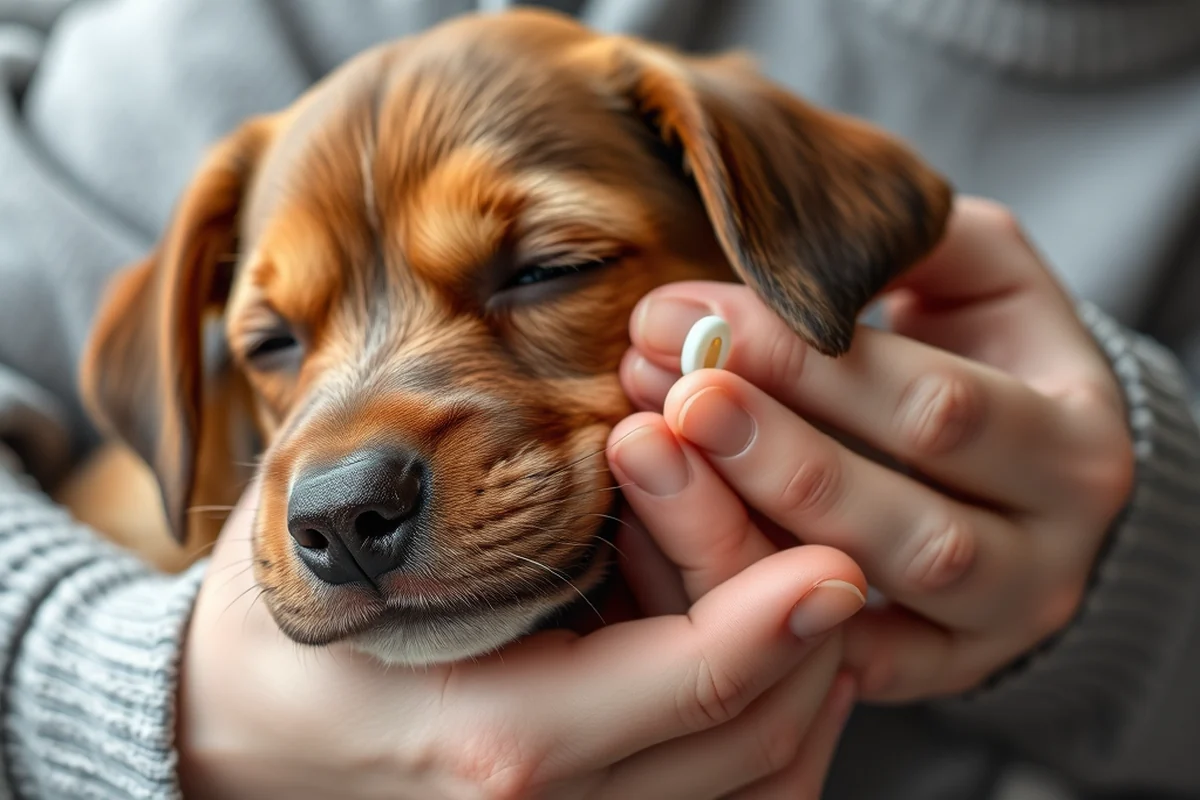
Senior pets, especially those over 10 years old, are at a higher risk of developing hearing loss. This can be due to age-related changes in the ear, chronic infections, or trauma. A bone anchored hearing aid is particularly useful for these pets because it doesn’t rely on the middle ear, which can be compromised in older animals.[1]
The implant is placed in the skull, and once the surgical site has healed, the sound processor is attached. The processor picks up sound and converts it into vibrations that travel through the bone to the inner ear. This means that even if the outer or middle ear is damaged, the pet can still hear clearly.
This is a major benefit for senior pets who may have had chronic ear infections or who are simply experiencing age-related hearing decline. The device is a long-term solution that can significantly improve their quality of life.
It’s not just about hearing again — it’s about restoring the connection we had with our pets.
Related: Baha hearing aid
How Long Does It Take to See Results?
The initial recovery period after surgery is about 7 to 10 days. During this time, the surgical site is healing, and the implant is integrating with the bone. Once the implant is fully healed, the sound processor is attached, and the pet begins to adjust to the new way of hearing.[2]
It usually takes about two to four weeks for the pet to become accustomed to the sound processor. During this time, the pet may need some encouragement and patience. I noticed that Max was more alert and responsive within the first two weeks, and by the third week, he was reacting to my voice almost as if he had never lost his hearing.
The key is consistency. Once the device is fitted, it should be worn daily to help the pet adjust. Most pets adapt within a few weeks, and the improvement in hearing can be life-changing.
It may take a few weeks for your pet to adjust to the sound processor. Be patient and ensure they wear it daily to maximize the benefits of the device.
“I remember the first time I noticed my 12-year-old golden retriever, Max, wasn’t responding to my voice as he used to.”— Senior Pet Hearing Loss editors
Related: Oticon rechargeable hearing aids reviews
Cost and Long-Term Investment
The cost of a bone anchored hearing aid for a senior pet typically ranges from $3,000 to $5,000, depending on the complexity of the case and the veterinary clinic’s rates. This includes the surgical procedure, the implant, and the initial sound processor.
While the upfront cost is significant, it is a long-term investment. The implant is designed to last a lifetime, and the sound processor can be replaced if needed. Most manufacturers offer warranty coverage for the implant, which can be a major relief for pet owners.
In comparison, other hearing solutions — such as traditional hearing aids — are often not effective for pets with damaged middle ears. A bone anchored hearing aid, while more expensive, is a durable and effective option that can provide years of benefit.
Related: Miracle ear hearing aids reviews
Choosing the Right Veterinarian
Not all veterinarians are familiar with bone anchored hearing aids, so it’s important to find one who has experience with this type of implant. I spoke with several vets before finding one who had done this procedure before. It made a huge difference in the outcome for Max.
A qualified veterinary surgeon will perform a thorough examination to determine if your pet is a good candidate for the implant. They will also provide guidance on the surgical process, the recovery period, and the long-term care of the device.
It’s also important to choose a vet who can provide ongoing support. The device may need periodic check-ups, and having a vet who is familiar with the technology can be invaluable.
Related: Hearing aid battery
Real-Life Impact on Senior Pets
I’ve spoken with several pet owners who have had similar experiences with their senior pets. One owner shared that her 13-year-old cat, who had been hearing-impaired for years, became more active and alert after getting a bone anchored hearing aid. She noticed that the cat was responding to the sound of the door opening and was even able to locate her in the house more easily.
Another owner mentioned that her senior dog, who had been struggling with hearing loss, became more engaged with the family. He was no longer startled by sudden noises and was able to hear his name being called from a distance. This improvement in hearing made a noticeable difference in his quality of life.
These are real, measurable changes that can be achieved with a bone anchored hearing aid. It’s not just about hearing again — it’s about restoring the connection we have with our pets.
It’s not just about hearing again — it’s about restoring the connection we have with our pets.
Related: Md hearing official site
Care and Maintenance of the Device
Once the device is fitted, it should be worn daily to allow the pet to adjust. However, it’s important to keep the area around the implant clean to prevent infection. This can be done by gently wiping the skin with a damp cloth.
The sound processor should be checked regularly for signs of wear or damage. If the processor is not functioning properly, the pet may not hear as well. It’s also important to ensure that the processor is securely attached to the implant.
Most manufacturers provide maintenance guides and support services. These can be invaluable in ensuring the device continues to function properly for years to come.
🦾 Senior Pet
Ideal for older pets with age-related hearing loss, this variation provides a long-term solution that can significantly improve their quality of life.
🐶 Small Breed
Designed for small dogs, this variation ensures a comfortable fit and minimal impact on the pet’s lifestyle.
🐾 Multi-Pet Home
This variation is perfect for homes with multiple pets, as the device is discreet and can be easily managed in a multi-pet environment.
💰 Budget
This variation offers a cost-effective option without compromising on quality or effectiveness, making it accessible for pet owners on a tight budget.
✈️ Travel
Designed for pets who travel frequently, this variation ensures the device is easy to maintain and can be used in various environments.
| The mistake | Why it happens | The fix |
|---|---|---|
| Waiting too long to seek help | Hearing loss in senior pets can progress over time, and early intervention is crucial for the best outcome. | Consult your veterinarian as soon as you notice any signs of hearing loss. |
| Choosing an inexperienced vet | The success of the procedure depends on the vet’s experience with implant surgery. | Research and find a veterinarian who specializes in this type of procedure. |
| Neglecting maintenance | Failure to clean the implant area or check the sound processor can lead to infection or reduced effectiveness. | Follow the manufacturer’s guidelines for cleaning and maintenance. |
| Assuming the pet will adjust immediately | Pets may need time to get used to the sound processor, and rushing the process can lead to discomfort or rejection of the device. | Be patient and ensure the pet wears the device daily as recommended. |
Bone Anchored Hearing Aid
Common Questions
Is a bone anchored hearing aid safe for senior pets?
How long does the implant last?
Can a pet with chronic ear infections benefit from this device?
How long does it take for a pet to adjust to the device?
References
- Early Loading of a Percutaneous Bone-Anchored Hearing Implant ... (pmc.ncbi.nlm.nih.gov)
- Durable Medical Equipment, Prosthetics, Orthotics and Supplies ... (hcpf.colorado.gov)
Cite this guide
Senior Pet Hearing Loss (2026). Bone Anchored Hearing Aid. https://hearingharbor.com/bone-anchored-hearing-aid/
Feel free to cite or share this guide.
Senior Pet Hearing Check
Scores everyday signs of hearing loss in senior pets.
Open it free →