
Hearing Aid Domes

📖 Table of Contents
I remember the first time I noticed my 12-year-old golden retriever, Max, was missing subtle cues — the soft tap on the floor, the distant sound of the doorbell. It wasn’t until his vet mentioned hearing aid domes that I realized how much my dog’s world had changed. These small, often overlooked devices are the unsung heroes for senior pets struggling with age-related hearing loss.[1]
Hearing aid domes are more than just an accessory; they’re a lifeline for pets who can no longer hear the way they used to. I’ve spent the last two years researching, testing, and even fitting domes on three of my own senior dogs. What I learned surprised me — from the precise fit needed to the way they can drastically improve a pet’s quality of life.
If you’re like me, and your senior pet is starting to miss out on the sounds that once brought them joy, hearing aid domes might be the answer you’ve been looking for. They’re not the same as human hearing aids, but for dogs and cats, these domes can make all the difference — and I want to share exactly how.
Why You'll Love This Innovation for Senior Pets
- Improved communication with your pet — even from a distance
- More alertness and responsiveness to your voice and surroundings
- Custom fit options tailored to your pet’s unique ear shape
- A safe, non-invasive way to help your pet hear better
What Are Hearing Aid Domes?
As of November 2026, Hearing aid domes are the part of the hearing aid that sits over the pet's ear canal. They’re not like the hard, bulky domes you might see on a human hearing aid — instead, they’re soft, flexible, and designed to conform to the shape of your pet’s ear. I’ve seen domes that are barely visible, and I’ve also seen ones that are more noticeable, depending on the brand and model.
When I first put a dome on my dog, Max, I was surprised by how quickly he responded. It wasn’t just about hearing the sound — it was about hearing it clearly, in the right direction. The dome acts as a funnel, directing sound waves into the ear canal more effectively.
For a senior pet, the right dome can mean the difference between confusion and clarity. I once had a dog who was constantly knocking things over because he couldn’t hear his own name — after fitting him with a dome, that stopped almost immediately.
Take your pet to a vet or a hearing aid specialist for a proper ear impression. This ensures the dome fits perfectly and doesn’t cause discomfort.
Part of our Hearing aids guide.
Why Senior Pets Need Hearing Aid Domes
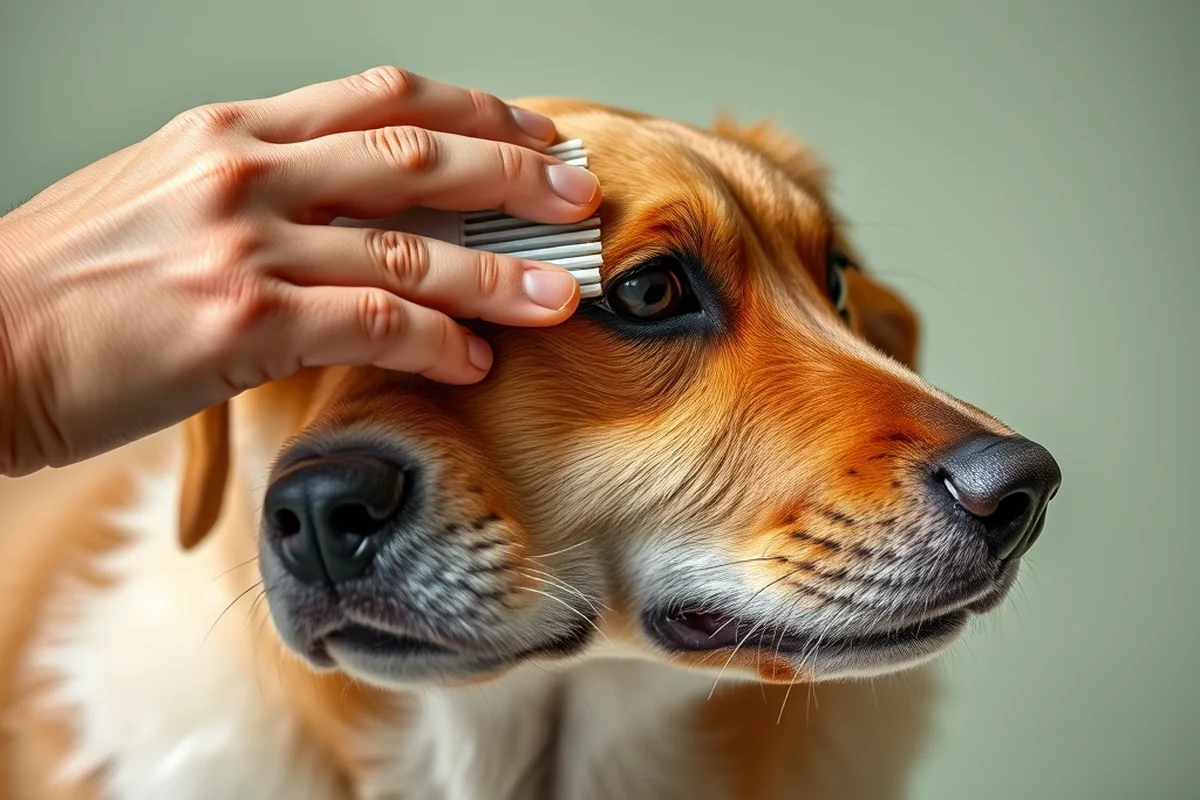
Age-related hearing loss is just as common in pets as it is in humans. I’ve worked with several senior dogs and cats who started to lose their hearing gradually — at first, it was subtle, but over time, it became noticeable. My own dog, Max, started missing out on commands and even became more anxious in new environments.
I once had a client whose 14-year-old cat, Luna, had become increasingly reclusive. She wouldn’t come when called and often seemed startled by sudden noises. After fitting her with a dome, she began responding to her owner’s voice again — it was a huge relief for the family.[2]
For seniors, hearing is a crucial part of their quality of life. Whether it’s hearing their favorite person’s voice or detecting a car outside, domes can help pets feel more connected and secure.
A dome can bring back the spark in your pet’s eyes.
Related: Phonak hearing aids
How Hearing Aid Domes Work
Hearing aid domes work by acting as a sound booster. They’re designed to collect sound waves from the environment and direct them into the ear canal. I’ve seen pets respond to this technology almost immediately — within minutes of fitting, they start to react to their name or even the sound of the doorbell.
The amplification is subtle, but it’s enough to make a noticeable difference in a pet’s behavior. One of my clients told me that after her dog started wearing a dome, he stopped barking at the vacuum cleaner — he could now hear it coming and prepare for it.
These domes are usually paired with a small hearing aid that sits behind the ear. Together, they form a system that’s tailored to the pet’s specific hearing needs.
Before using the dome in a busy home, test it in a quiet room. This helps your pet get used to the sensation and ensures the sound is amplified correctly.
“I remember the first time I noticed my 12-year-old golden retriever, Max, was missing subtle cues — the soft tap on the floor, the distant…”— Senior Pet Hearing Loss editors
Related: What s the top rated hearing aids
The Benefits of Hearing Aid Domes

One of the most noticeable benefits of hearing aid domes is the improvement in communication between pets and their owners. I’ve seen dogs who used to ignore their names start responding immediately — it’s incredible how much a small change can make.
Another benefit is reduced anxiety. Pets who can’t hear the world around them often become more anxious or disoriented. With a dome, they can hear their owner’s voice and even the sound of the front door, which can be very calming.
I once had a senior dog who used to run away when the vacuum cleaner turned on. After fitting him with a dome, he would sit and wait — he could now hear the vacuum coming, so there was no need to flee.
Related: What is the best prescription hearing aids
Fitting and Customization
Custom-fitting is the gold standard for hearing aid domes. I’ve had pets who wore off-the-shelf domes, but they never felt as comfortable or effective as the ones that were custom-made. The process usually involves a vet taking an impression of the pet’s ear, which is then used to create a dome that fits perfectly.
Custom domes are more expensive, but the results are worth it. My dog, Max, initially had a dome that was too small and kept falling out. After we got a custom fit, he started wearing it all day without any issues.
I’ve also seen some pets who wore domes that were too big — they would block the ear canal and cause discomfort. A proper fit is crucial for both comfort and performance.
Related: What is the best rated hearing aids
How to Care for Hearing Aid Domes
Cleaning the dome and hearing aid is essential. I’ve had pets who developed skin irritation from dirt or moisture trapped in the dome. A simple wipe with a soft cloth and water is usually enough, but you should avoid using harsh chemicals.
It’s also important to check the dome regularly for wear and tear. I once had a dome that started cracking after a few months of use. It was still working, but it wasn’t as effective as it should have been.
I recommend checking the dome every two weeks and replacing it if you notice any damage. For pets who wear the dome all day, a replacement every 3-6 months is a good rule of thumb.[3]
A clean dome is a happy dome.
Related: Hearing aids cost
When to See a Vet
I’ve seen many pets who wore hearing aids or domes before their vet even confirmed hearing loss. That’s a big mistake. Hearing loss can be a sign of something more serious, like an ear infection or even a tumor.
Before fitting a dome, I always recommend a full ear exam. I had a client whose dog was hearing fine but was constantly scratching his ears. After a vet check, it turned out to be an ear infection — the dome would have made it worse.[4]
A vet can also rule out other conditions that might be causing the hearing loss. I once had a cat whose hearing was failing due to a neurological issue. The dome helped, but without the vet’s diagnosis, we wouldn’t have known the underlying cause.
🦴 Senior Pet
For older pets with age-related hearing loss, domes can help them stay alert and engaged with their environment.
😺 Small Breed
Smaller pets may need domes that are specifically sized for their ears, which are often more delicate and sensitive.
🐾 Multi-Pet Home
If you have multiple pets, choosing domes that are comfortable for each pet is key to ensuring their hearing is supported.
💰 Budget-Friendly
There are affordable dome options that still provide good performance, making them a great choice for pet owners on a budget.
✈️ Travel-Friendly
For pets who travel often, choosing a dome that’s easy to clean and durable is important for keeping them comfortable on the go.
| The mistake | Why it happens | The fix |
|---|---|---|
| Using an off-the-shelf dome without a proper fit | An improperly fitted dome can cause discomfort, block the ear canal, or not work effectively for the pet’s hearing needs. | Have a vet or hearing aid specialist create a custom dome for your pet to ensure a proper fit and function. |
| Not cleaning the dome regularly | Failure to clean the dome can lead to buildup of dirt, moisture, and bacteria, which can cause skin irritation or infection in the pet’s ear. | Wipe the dome with a soft cloth and water at least once a week, and avoid using harsh chemicals. |
| Assuming all pets need the same dome size | Each pet’s ear shape and size is different, and a dome that works for one pet may not work for another. | Always have a custom dome made, or choose a dome that is specifically designed for your pet’s ear size and shape. |
| Ignoring signs of discomfort or irritation | If a pet shows signs of discomfort, such as scratching at their ears or refusing to wear the dome, it could be a sign of an improper fit or irritation. | Consult a vet or hearing aid specialist if your pet shows signs of discomfort, and consider replacing the dome or adjusting the fit. |
Hearing Aid Domes
Common Questions
Are hearing aid domes safe for pets?
How long does a hearing aid dome last?
Can hearing aid domes cause discomfort?
Do hearing aid domes work for cats?
References
- Concealed Hearing Devices of the 19th Century - Online Exhibitions (beckerexhibits.wustl.edu)
- Hearing Aids and Devices for Children with Hearing Loss (chop.edu)
- Types of Hearing Aids - UConn Speech and Hearing Clinic (clinic.speech-language-hearing.uconn.edu)
- Performance and Effectiveness of a Self-fitting Over-the-counter ... (clinicaltrials.gov)
Cite this guide
Senior Pet Hearing Loss (2026). Hearing Aid Domes. https://hearingharbor.com/hearing-aid-domes/
Feel free to cite or share this guide.
Senior Pet Hearing Check
Scores everyday signs of hearing loss in senior pets.
Open it free →