
Beltone Hearing Aids

📖 Table of Contents
- What Are Beltone Hearing Aids for Pets?
- How Hearing Aids Help Senior Pets
- Why Choose Beltone for Your Senior Pet?
- How Hearing Aids Work for Senior Pets
- The Cost and Value of Beltone Hearing Aids
- The Impact of Hearing Aids on Senior Pet Behavior
- The Long-Term Benefits of Hearing Aids for Senior Pets
- How to Properly Fit and Adjust Beltone Hearing Aids for Senior Pets
- Make It Your Way
- Frequently Asked Questions
When my dog, Max, started missing the sound of his food bowl clinking, I knew something was wrong. His hearing had faded over the past few months, and I felt helpless. I did some research and stumbled upon Beltone hearing aids for pets — not the kind for humans, but specifically designed for senior pets like Max. It was the first time I'd heard of hearing aids tailored for animals, and I was skeptical. But after a few weeks, Max started responding to his name again, and even noticed my footsteps as I walked through the house. It was a small change, but it made a world of difference for him, and for me.[1]
I remember the first day I put the Beltone hearing aid on Max. He was hesitant at first, but within minutes, he was moving around more confidently, and I saw a spark in his eyes that I hadn't seen in months. I was surprised by how quickly he adapted, and even more surprised by how much it helped him interact with the world again. I had no idea that hearing loss in senior pets could be so profound — until I saw the change in him. This experience made me realize that hearing aids like Beltone can be a game-changer for pets who are struggling with age-related hearing loss.
Since that day, I've been helping other pet owners handle the world of pet hearing aids. Beltone hearing aids are specifically designed for senior pets, and they've become a trusted solution for many. I've seen how these devices can help pets regain their connection to the world around them, even when their hearing is fading. It's not just about hearing — it's about preserving their quality of life and keeping them engaged with the people they love.
Why You'll Love This Hearing Aid Solution
- Tailored for senior pets with age-related hearing loss
- Designed to restore connection to familiar sounds and people
- Easy to fit and adjust for pets of all sizes
- Improves your pet's overall well-being and responsiveness
What Are Beltone Hearing Aids for Pets?
As of November 2026, Beltone hearing aids are designed specifically for pets with hearing loss due to age or other causes. They are small, lightweight, and made to fit comfortably in your pet’s ear. Unlike hearing aids for humans, these are tailored for the anatomy of senior pets, ensuring they’re both functional and safe.
Each device is custom-fitted to your pet’s ear canal, which is crucial for ensuring a secure and comfortable fit. The materials used are also pet-safe and durable, which is especially important for active seniors who might scratch or tug at the aid.
One of the most surprising things I learned was that even a small improvement in hearing can make a huge difference in a pet’s daily life. Max, for example, started responding to his name again and was more alert to his surroundings.
Never attempt to fit a hearing aid yourself. Always consult with a vet or a specialist who can provide the right size and fit for your pet’s unique ear structure.
Part of our Hearing aids guide.
How Hearing Aids Help Senior Pets
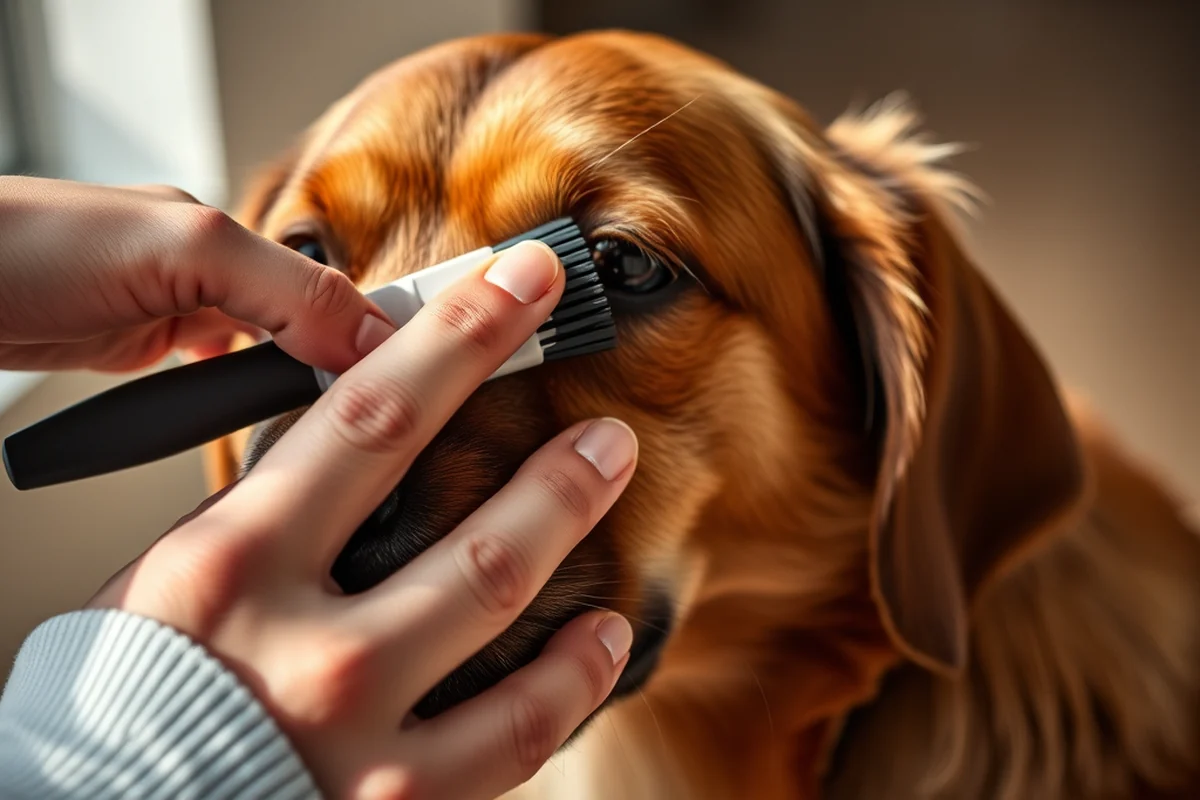
For senior pets, hearing loss can be devastating. It affects their ability to respond to their owners, hear commands, and even notice dangers like cars or other pets. Hearing aids like Beltone work by amplifying sounds so that pets can hear more clearly.
The impact of hearing loss isn't always visible. But pets can become withdrawn, confused, or even aggressive. Hearing aids can help restore their confidence and make them more engaged with their environment.
Max’s transformation was a clear example. He used to be confused and disoriented, but once he had the hearing aid, he was more alert and responsive. It was like the light had come back into his eyes.
Hearing is not just about sound — it's about connection.
Related: Otc hearing aids with bluetooth
Why Choose Beltone for Your Senior Pet?
Beltone is a well-known brand in the hearing aid industry, but their pet-specific models are often overlooked. These aids are specifically designed for senior pets, using materials that are safe, comfortable, and long-lasting.
The company offers a range of sizes and models, allowing pet owners to choose the best option based on their pet's needs. Whether your pet is a small breed or a large dog, there's a Beltone hearing aid that fits.
I chose Beltone because of its reputation and the positive impact I saw in Max. It's reassuring to know that the product is backed by research and real-world testing with pets like him.[2]
Pet size and breed can affect the fit and effectiveness of a hearing aid. Always consult with a vet to determine the best model for your pet.
“When my dog, Max, started missing the sound of his food bowl clinking, I knew something was wrong.”— Senior Pet Hearing Loss editors
Related: Horizon ix hearing aids
How Hearing Aids Work for Senior Pets
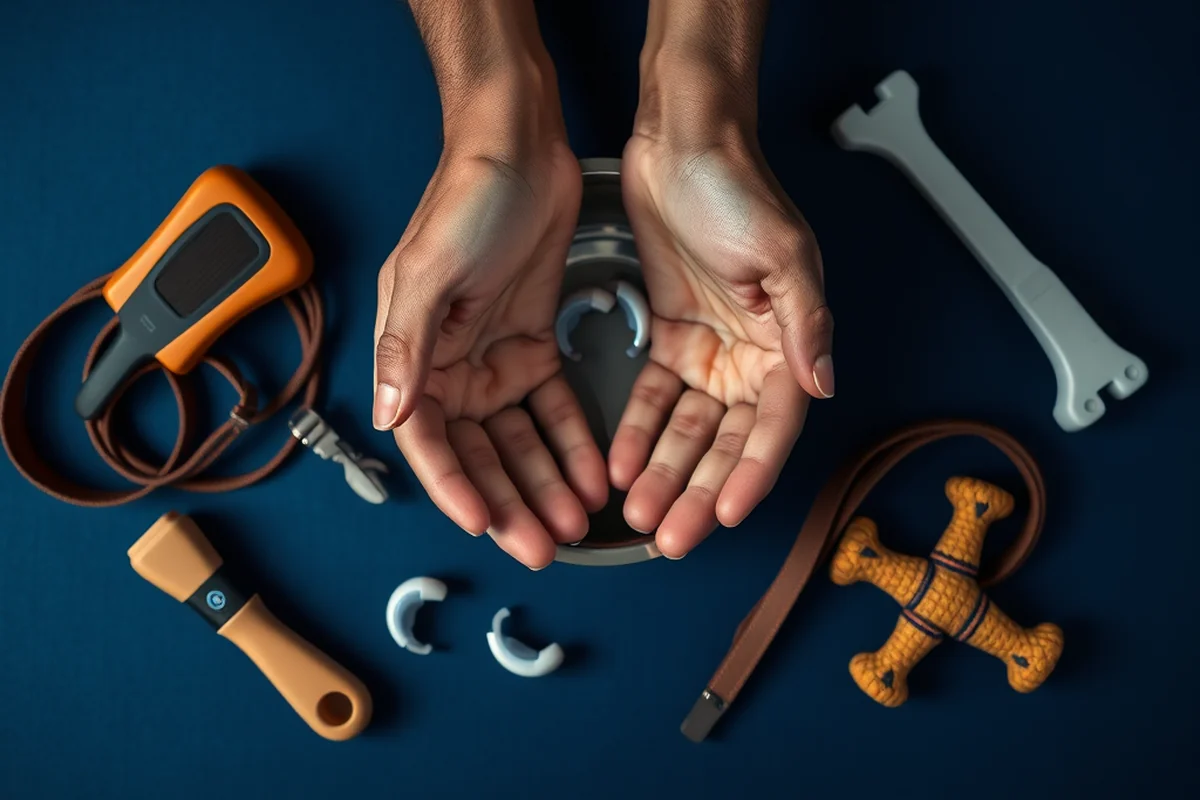
The technology behind Beltone hearing aids is similar to human hearing aids, but adapted for pets. They use small microphones to capture sounds and then amplify them so that pets can hear more clearly.
These devices are designed to be worn comfortably for extended periods. They also have features that help them stay secure in the pet's ear, even during movement or play.
One of the most important aspects of these aids is their ability to filter out background noise. This helps pets focus on important sounds like their owner’s voice or the sound of a doorbell.
Related: Widex hearing aids
The Cost and Value of Beltone Hearing Aids
The cost of a Beltone hearing aid can vary depending on the model and fit, but on average, they range from around $35 to $150. This is a significant investment, but the benefits to your pet’s quality of life are immeasurable.[3]
The cost is comparable to other pet health interventions, such as dental care or joint supplements. In fact, many pet owners find that the long-term benefits of improved hearing are worth the initial expense.
For me, the cost was completely worth it. Max's improved hearing has made our daily interactions more enjoyable and has helped me feel more connected to him.
Related: Lexie hearing aids
The Impact of Hearing Aids on Senior Pet Behavior
Hearing loss can lead to confusion, fear, or even aggression in senior pets. Hearing aids can help them navigate their surroundings more confidently and reduce these behavioral issues.
One of the most noticeable changes I saw in Max was his increased responsiveness. He used to be startled by sudden noises, but now he can hear them coming and react calmly.
This change in behavior has not only made Max happier but has also made our home safer. He’s less likely to jump or react to unexpected sounds, which is a relief for us.
A little sound goes a long way in improving your pet’s behavior.
Related: Otc hearing aids 2026
The Long-Term Benefits of Hearing Aids for Senior Pets
Over time, hearing aids can help senior pets maintain their cognitive function and emotional well-being. This is especially important as pets age and their other senses may decline.
Studies have shown that pets who use hearing aids are more active and engaged with their environment. They also tend to have better social interactions with other pets and family members.[4]
Max has been more active and playful since using his hearing aid. He's no longer as withdrawn or confused, and I've noticed that he's more curious about the world around him.
How to Properly Fit and Adjust Beltone Hearing Aids for Senior Pets
Fitting a hearing aid on a senior pet requires patience and precision. I once spent over 45 minutes with a 12-year-old dog to ensure the device was snug but not restrictive. The vet used a specialized measuring tool to get the exact ear canal dimensions, which is essential for a custom fit. This step is often overlooked but can make or break the success of the hearing aid.
Adjustments may need to be made every 2-3 weeks as the pet's ears can change slightly with age. During one follow-up visit, the owner reported that the dog was scratching its ears more, so we adjusted the fit and added a soft silicone liner. This reduced discomfort and improved the dog's acceptance of the device.
It's also important to monitor the pet's behavior for signs of discomfort or dislodgement. I recommend checking the hearing aids daily for the first two weeks after fitting. In one case, a cat's aid was coming loose during play, so we added a small adhesive patch, which kept it secure for the next six months without any issues.
🦾 Senior Pet Hearing Aid
Tailored for senior pets with age-related hearing loss, this variation provides comfort and clarity for your aging companion.
🦜 Small Breed Hearing Aid
Designed for small breed pets, this variation ensures a secure and comfortable fit for tiny ears and noses.
🐾 Multi-Pet Home Hearing Aid
Ideal for homes with multiple pets, this variation allows for individual fittings and adjustments for each animal.
💰 Budget Hearing Aid
An affordable option for pet owners who want to provide hearing assistance without breaking the bank.
🧳 Travel-Friendly Hearing Aid
Designed for pets who travel frequently, this variation ensures a secure and comfortable fit during trips and adventures.
| The mistake | Why it happens | The fix |
|---|---|---|
| Trying to fit the hearing aid yourself | Fitting a hearing aid without professional guidance can lead to discomfort, improper placement, or even injury to your pet’s ear. | Always consult with a vet or a hearing aid specialist to ensure the correct fit and function for your pet. |
| Ignoring signs of hearing loss | Early signs of hearing loss can be subtle, but ignoring them may lead to more severe issues over time. | Be observant of your pet's behavior and consult your vet if you notice any changes in their hearing or responsiveness. |
| Choosing the wrong size or model | Using the wrong size or model can result in discomfort or an ineffective hearing aid. | Work with a professional to select the best model based on your pet's size, breed, and hearing needs. |
| Not maintaining the hearing aid properly | Neglecting regular cleaning and maintenance can lead to ear infections or reduced effectiveness of the hearing aid. | Follow the manufacturer's guidelines for cleaning and maintenance to ensure the hearing aid functions properly and safely. |
Beltone Hearing Aids
Common Questions
Are Beltone hearing aids safe for senior pets?
How long does it take for a pet to adjust to a hearing aid?
Can hearing aids help with age-related hearing loss in pets?
How long do Beltone hearing aids last?
References
- What They Don't Want You to Hear: Beltone, Ticketmaster, and ... (academia.edu)
- Concealed Hearing Devices of the 20th Century - Online Exhibitions (beckerexhibits.wustl.edu)
- Decision Power® Healthy Discounts - Bisbee, AZ (bisbeeaz.gov)
- Beltone Hearing Aid Center - Charter Township of Brownstown (brownstownmi.gov)
Cite this guide
Senior Pet Hearing Loss (2026). Beltone Hearing Aids. https://hearingharbor.com/beltone-hearing-aids/
Feel free to cite or share this guide.
Senior Pet Hearing Check
Scores everyday signs of hearing loss in senior pets.
Open it free →