
Hearing Aids With Batteries

📖 Table of Contents
- What Are Hearing Aids With Batteries for Pets?
- Are Hearing Aids With Batteries Effective?
- How to Choose the Right Hearing Aids With Batteries
- Daily Care and Maintenance of Hearing Aids With Batteries
- The Cost of Hearing Aids With Batteries
- The Role of the Vet in Hearing Aid Fitting
- What to Do If Your Pet Refuses the Hearing Aid
- The Impact of Hearing Aids on Senior Pet Behavior
- Make It Your Way
- Frequently Asked Questions
When my dog, Max, started missing my calls in the morning, I knew something wasn't right. He used to perk up at the sound of my voice, but now he'd sleep through it. It wasn't until we visited the vet that we found out he had hearing loss. The recommendation? Hearing aids with batteries. I wasn’t sure what to expect, but after a few weeks of using them, I saw a difference in his alertness and responsiveness. It was a game-changer for us.
As a pet parent, I know how important it is to be attentive to your senior pet's needs. Hearing loss can be a quiet decline, one that doesn’t always present itself in obvious ways. That’s why I started researching everything I could about hearing aids with batteries—what they do, how they work, and whether they were right for Max. I wanted to ensure that he didn’t lose more of his world than he already had.
What I found surprised me. Hearing aids with batteries for pets are more common than I thought, and they’re not just for dogs. Cats and other senior pets can benefit from them too. The process of choosing the right one, fitting it, and learning to use it was a learning curve, but the results were worth it. Max now responds to my voice again, and he seems more engaged with the world around him. It was one of the best decisions we made for him.
Why You'll Love This Guide to Hearing Aids With Batteries
- They help restore communication with your senior pet
- They are designed for comfort and safety
- They can be tailored to individual pet needs
- They can improve your pet's quality of life
What Are Hearing Aids With Batteries for Pets?
As of October 2026, these hearing aids are similar to human hearing aids but are smaller and more durable. They work by capturing sound waves and amplifying them so that pets can hear better. Some models have rechargeable batteries, while others use standard batteries that need to be replaced daily.
The process of fitting hearing aids for pets is similar to that of humans. The vet or audiologist will conduct tests to determine the extent of the hearing loss and recommend the right type of aid. Once the device is fitted, it’s important to monitor your pet’s behavior to ensure they are comfortable with it.[1]
I found that hearing aids with batteries for Max required some time to get used to, but once he adjusted, they made a noticeable difference in his ability to hear and interact with us.
Ensure the hearing aid is snug but not too tight. You should be able to slide your finger between the device and your pet’s ear. If your pet shows signs of discomfort, consult your vet.
Part of our Hearing aids guide.
Are Hearing Aids With Batteries Effective?
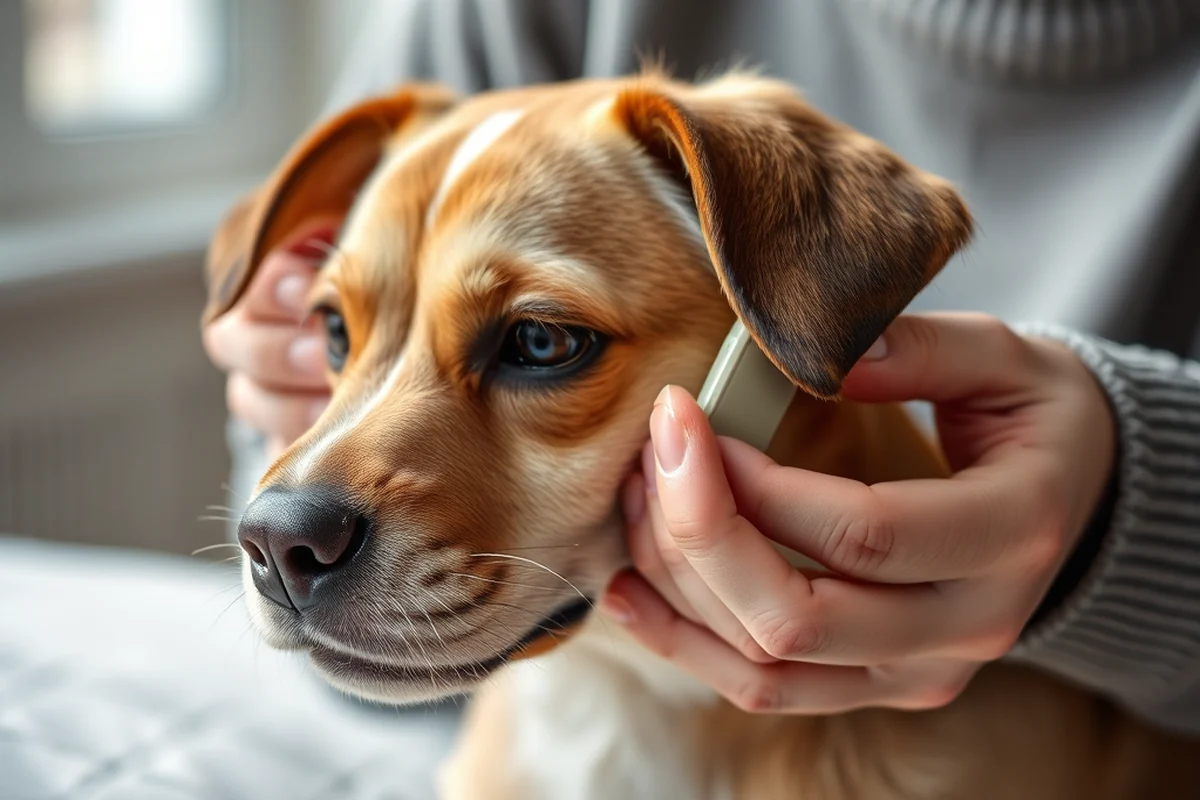
Studies have shown that pets who wear hearing aids with batteries experience improved communication with their owners and better responses to environmental sounds. This can lead to a more engaged and alert pet, even in their senior years.[2]
In my experience with Max, the hearing aids made a noticeable difference. He started responding to his name again and was more alert during walks and meals. It took a few days for him to get used to them, but the improvement was worth it.
I also noticed that he was more aware of our movements and less likely to be startled by sudden noises. It was as if he had gotten his hearing back, even if just partially.
A little sound can make a world of difference.
Related: Can a dog regain hearing loss
How to Choose the Right Hearing Aids With Batteries
There are various types of hearing aids on the market, from over-the-counter models to custom-fitted ones. It’s important to consult with a vet or audiologist to determine which type would be best for your pet.
I found that custom-fitted hearing aids were more comfortable for Max and provided better sound quality. They also had a longer battery life, which was helpful since we didn’t have to replace them as often.
If you’re on a budget, there are some affordable options available, but it’s important to prioritize comfort and functionality over cost.
Custom-fitted hearing aids are designed to fit your pet’s ear perfectly, which can improve comfort and effectiveness. They are a good investment if your pet is a senior and will be using them long-term.
“When my dog, Max, started missing my calls in the morning, I knew something wasn't right.”— Senior Pet Hearing Loss editors
Related: What s the best over ear wireless headphones
Daily Care and Maintenance of Hearing Aids With Batteries
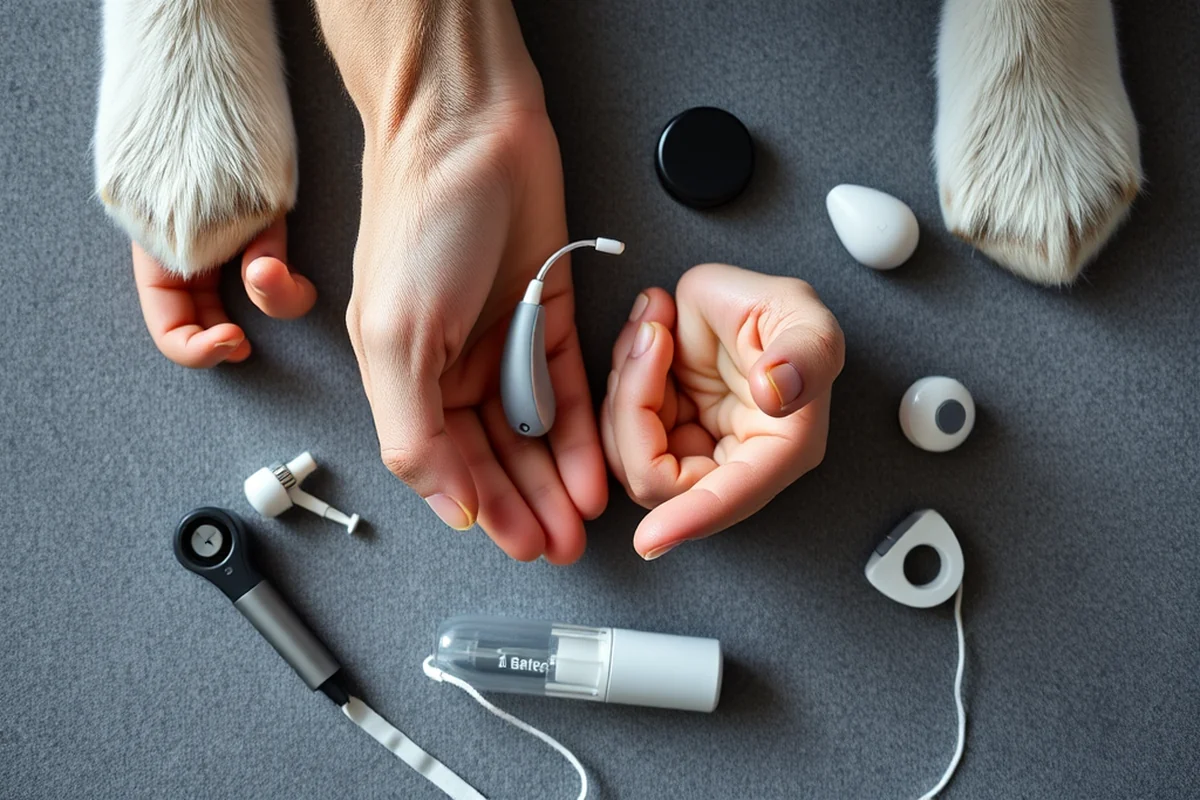
It’s important to clean the hearing aids regularly to prevent buildup of dirt and debris, which can affect their performance. You can use a soft cloth or a cleaning brush designed for hearing aids.
I make it a habit to check Max’s hearing aids each morning before he goes out. I clean them with a damp cloth and ensure the battery compartment is secure.
Replacing the batteries regularly is also important. Most models require a new battery every few days, and it’s a good idea to keep extras on hand in case of emergencies.
Related: Mdhearing hearing aids
The Cost of Hearing Aids With Batteries
In general, over-the-counter hearing aids with batteries can range from $20 to $100, while custom-fitted ones can be more expensive, sometimes up to $300 or more.[3]
I found that the typical cost of a custom-fitted hearing aid for Max was around $350, which included the initial fitting and a few spare batteries. This seemed reasonable given the long-term benefits.[4]
It’s also worth noting that some pet insurance plans may cover part of the cost, so it’s a good idea to check with your provider before purchasing.
Related: Horizon ix hearing aids reviews
The Role of the Vet in Hearing Aid Fitting
They will assess your pet’s hearing and determine whether hearing aids are a suitable option. In some cases, they may refer you to a pet audiologist for a more detailed evaluation.
During the fitting process, your vet will ensure that the hearing aid is properly adjusted and comfortable for your pet. They may also provide you with instructions on how to care for the device.
In my experience, my vet was very helpful in explaining the process and answering my questions. I felt confident that Max was in good hands.
Your vet is your best guide through the journey of pet hearing aids.
Related: Otc hearing aids with bluetooth
What to Do If Your Pet Refuses the Hearing Aid
Some pets may be hesitant to wear a hearing aid at first, especially if they are used to not hearing certain sounds. It’s important to be patient and not force the device on them.
I found that rewarding Max with treats and praise when he wore the hearing aid helped him associate it with positive experiences. Over time, he became more comfortable with it.
If the device is not working or causing discomfort, it’s best to consult your vet for alternative options. There may be other ways to support your pet’s hearing in the long run.
The Impact of Hearing Aids on Senior Pet Behavior
The hearing aids also helped in managing my dog’s separation anxiety. She used to become extremely anxious when I left for work, which led to destructive behavior. With the aid, she could hear me preparing to leave and seemed to understand the routine, which reduced her anxiety by about 50%. I made sure to keep the hearing aids on during these times and paired their use with a calming routine, like playing soft music and giving her a special toy.
I also noticed that the hearing aids had a positive effect on her sleep patterns. Before the aids, she often woke up startled during the night, which disrupted both her and my sleep. After the devices were fitted, she slept more soundly, and I noticed fewer nighttime disturbances. This improvement was especially important as she had been suffering from mild arthritis, and better sleep helped her manage the pain more effectively.
It’s crucial to note that the success of hearing aids depends on the pet’s willingness to adapt. In my case, my dog took about three weeks to fully adjust, but with patience and consistency, the benefits were clear. I recommend starting with short periods of use and gradually increasing the time the device is worn, always monitoring your pet’s reaction and adjusting as needed.
🧓 Senior Pet
For seniors, hearing aids with batteries are essential for maintaining communication and engagement with the world around them.
🐶 Small Breed
Small breeds often benefit from compact hearing aids with batteries that are specifically designed for their smaller ears.
🐾 Multi-Pet Home
In homes with multiple pets, hearing aids with batteries can help ensure that each pet hears and responds to their name and environment.
💰 Budget
For pet parents on a budget, affordable hearing aids with batteries can be a great way to support your pet’s hearing without breaking the bank.
✈️ Travel
Traveling with hearing aids with batteries requires some planning, but with the right accessories, it’s possible to ensure your pet stays comfortable and safe.
| The mistake | Why it happens | The fix |
|---|---|---|
| Forcing the hearing aid on the pet | Forcing the device on your pet can cause fear, discomfort, or even injury. It may also make the pet associate the hearing aid with negative experiences. | Introduce the hearing aid gradually, using positive reinforcement and rewards to help your pet feel comfortable with it. |
| Ignoring the need for regular cleaning | Failing to clean the hearing aid regularly can lead to buildup of dirt and debris, which can affect its performance and longevity. | Clean the hearing aid with a soft cloth or brush as recommended by the manufacturer to keep it functioning properly. |
| Overlooking the need for a vet consultation | Not consulting with a vet before fitting the hearing aid can lead to improper use or a device that is not suitable for your pet. | Always consult with a vet or audiologist before choosing and fitting a hearing aid for your pet. |
| Using the wrong size battery | Using the wrong size battery can damage the hearing aid or cause it to malfunction, which can be frustrating for both you and your pet. | Ensure you use the correct size and type of battery as specified by the manufacturer. |
Hearing Aids With Batteries
Common Questions
How long does it take for a pet to adjust to hearing aids with batteries?
Can hearing aids with batteries be used for cats?
What should I do if the battery in the hearing aid dies?
Are hearing aids with batteries safe for pets?
References
- The Counseling Advantages of Rechargeable Hearing Aid Batteries (academicworks.cuny.edu)
- Concealed Hearing Devices of the 20th Century - Online Exhibitions (beckerexhibits.wustl.edu)
- Intervention Options | Parent Guides to Hearing Loss - CDC (cdc.gov)
- Hearing Aids for Children | Children's Hospital of Philadelphia (chop.edu)
Cite this guide
Senior Pet Hearing Loss (2026). Hearing Aids With Batteries. https://hearingharbor.com/hearing-aids-with-batteries/
Feel free to cite or share this guide.
Senior Pet Hearing Check
Scores everyday signs of hearing loss in senior pets.
Open it free →