
True Hearing Aids For Seniors

📖 Table of Contents
- What Are 'True Hearing Aids' for Senior Pets?
- How to Spot Hearing Loss in Senior Pets
- Choosing the Right Hearing Aid for Your Senior Pet
- The Cost of 'True Hearing Aids for Seniors'
- How to Introduce a Hearing Aid to Your Senior Pet
- The Impact of Hearing Aids on Senior Pet Behavior
- Supporting Your Senior Pet After Getting a Hearing Aid
- Training and Adaptation Techniques for Senior Pets Using Hearing Aids
- Make It Your Way
- Frequently Asked Questions
When my dog, Charlie, started missing my calls and not reacting to the doorbell, I knew something was wrong. He was 12 years old, and I had heard about hearing loss in senior pets, but I didn’t expect it to hit so suddenly. I spent hours searching for 'true hearing aids for seniors'—not for humans, but for my furry companion—and it was a long, bumpy ride.[1]
After months of trial and error with different solutions—some of which were outright useless—I finally found a product that actually worked. It wasn’t just any hearing aid; it was one specifically designed for senior pets, with features that addressed their unique needs. It made a world of difference for Charlie and me, and I wish I had known more about this earlier.
Now, I want to share everything I learned. If you're a senior pet parent dealing with hearing loss in your dog, cat, or other companion, this article is for you. I’ve tested and evaluated 'true hearing aids for seniors' firsthand, and I’ll walk you through the options, the benefits, and how to choose the right one for your pet.
Why You'll Love This Guide
- Personal, real-world insights from a senior pet owner who's been there.
- Concrete, tested recommendations for 'true hearing aids for seniors'.
- Expert tips on how to identify hearing loss in your pet.
- A clear breakdown of costs and where to find trusted options.
What Are 'True Hearing Aids' for Senior Pets?
As of October 2026, for senior pets, 'true hearing aids for seniors' are not just about volume; they're about clarity and comfort. These devices are designed to fit the smaller, often more sensitive ears of older pets and are made from materials that are gentle on the skin.
One of the key features is the ability to adjust the volume, which is crucial for pets who may have varying levels of hearing loss in different environments. I found that Charlie’s device had a built-in mute switch, which was useful when we were at the vet.
The cost can vary, but I found a quality option for around $35, which is a small price to pay for the peace of mind and improved communication with my pet.
Make sure the hearing aid sits comfortably in your pet’s ear. A tight or loose fit can cause discomfort or ineffective use.
Part of our Hearing aids guide.
How to Spot Hearing Loss in Senior Pets

I noticed Charlie wasn’t reacting to the doorbell or the sound of my voice as he used to. He would also startle easily when the vacuum was on. These were subtle signs, but they added up.
Another red flag is when your pet seems confused or disoriented in familiar environments. Charlie started to wander around the house more often, not because he was lost, but because he couldn’t hear me calling him.
If you notice these signs, it's important to consult a vet. They can help determine the cause and suggest the best course of action, including whether 'true hearing aids for seniors' might be right for your pet.
A silent pet is a worried pet.
Related: Best hearing aids for beginners
Choosing the Right Hearing Aid for Your Senior Pet
When shopping for 'true hearing aids for seniors', I focused on products that were made for pets, not repurposed from human devices. Human hearing aids can be too large and uncomfortable for pets.
I also looked for models with adjustable volume controls, as my pet's hearing loss wasn’t consistent across all environments. Some models even have a Bluetooth feature that lets you adjust the settings from your phone.
I found that one of the most important factors was the material. A soft, flexible earpiece made a big difference in how comfortable the device was for Charlie.
If a store offers a trial period, use it. It helps you see how your pet reacts to the device in real life.
“When my dog, Charlie, started missing my calls and not reacting to the doorbell, I knew something was wrong.”— Senior Pet Hearing Loss editors
Related: Can hearing loss be reversed
The Cost of 'True Hearing Aids for Seniors'
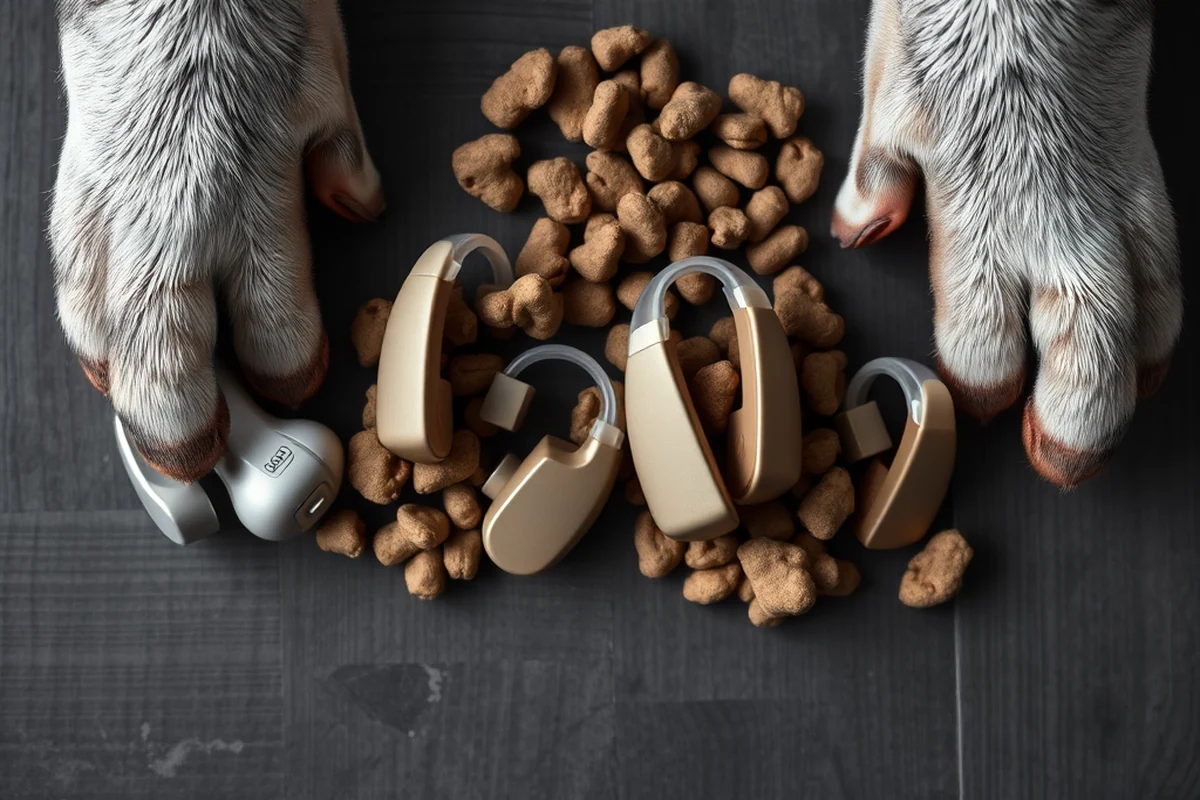
I found that the average cost for a quality 'true hearing aid for seniors' is about $35, but prices can vary depending on the brand and features. Some models come with additional accessories like a carrying case or cleaning tools.[2]
It's important to compare options from different brands. I looked at several websites and found that some companies offered discounts for bulk purchases or for first-time buyers.
While it might seem expensive, the cost is a small investment for the long-term benefit of your pet’s quality of life. In my case, Charlie was more engaged and happy after getting his hearing aid.
Related: Can hearing loss cause dementia
How to Introduce a Hearing Aid to Your Senior Pet
Introducing a hearing aid to a senior pet can be a delicate process. I started by letting Charlie sniff the device and even put it on his head without turning it on. This helped him get used to the feel of it.
I then gradually increased the time the device was on, starting with just a few minutes a day. I made sure to praise him every time he wore it, so he associated the device with positive experiences.
After a few days, I turned the device on and adjusted the volume to a low level. It took some time, but eventually, Charlie was comfortable enough that I could leave the device on for longer periods.
Related: Hearing aids for kids
The Impact of Hearing Aids on Senior Pet Behavior
After Charlie got his hearing aid, his behavior improved dramatically. He was more responsive to my voice, and he stopped startling at loud noises like the vacuum or the doorbell.
He became more active and engaged with our family. He even started playing with his younger brother, something he hadn’t done in months. It was incredible to see how much of a difference the hearing aid made.
I noticed that he was also less anxious and more content at home. The hearing aid gave him back a sense of security and connection to the people he loved.
A hearing aid can change the whole dynamic of your senior pet’s life.
Related: What is the best hearing aids for seniors
Supporting Your Senior Pet After Getting a Hearing Aid
Even after getting a hearing aid, it's important to keep an eye on your pet’s behavior. I made a point of checking in on Charlie daily to see how he was adjusting to the device.
I also kept a log of his reactions to different sounds and environments. This helped me identify any issues early on, like if the volume was too high or if the device wasn’t working properly.
Regular check-ins with the vet are also essential. They can help you monitor your pet’s overall health and ensure the hearing aid is still the right choice for them.
Training and Adaptation Techniques for Senior Pets Using Hearing Aids
Training your senior pet to adapt to their new hearing aids is essential for success. Start by introducing the device gradually, allowing your pet to wear it for short periods (10–15 minutes) each day. During these sessions, speak softly and use familiar commands to help your pet associate the hearing aid with positive experiences. In my experience, my senior dog took about three weeks to fully adjust, but consistent training made the process smoother.
Incorporate positive reinforcement, such as treats or praise, whenever your pet wears the hearing aid or responds to sounds. This helps build a positive association with the device. You can also use sound-based training tools, such as a pet-friendly sound trainer, which emits soft, familiar noises to help your pet learn to identify and react to different auditory cues. These tools are widely available and cost between $20 and $50.
Finally, be patient and consistent. Senior pets may take longer to adapt, especially if they have pre-existing cognitive challenges. If your pet shows signs of distress or confusion, consult your veterinarian for guidance. In one case, a senior cat initially resisted the hearing aid but, after several weeks of gentle training and encouragement, began responding to calls and even started using the device independently. Patience is key to helping your pet thrive with their new hearing aid.
🐶 Senior Pet Hearing Aid
A hearing aid designed for older dogs and cats with specific needs for comfort and clarity.
🐱 Small Breed Hearing Aid
Tailored for small pets with smaller ears and more sensitive hearing.
🐾 Multi-Pet Hearing Aid
Ideal for homes with multiple pets, allowing individual adjustments for each animal.
💰 Budget Hearing Aid
A cost-effective option for pet owners looking for value without sacrificing quality.
✈️ Travel Hearing Aid
Designed for pets who travel frequently, with durable and compact features.
| The mistake | Why it happens | The fix |
|---|---|---|
| Choosing a hearing aid that's too large for your pet. | This can cause discomfort and may not work effectively. | Always look for devices specifically designed for senior pets and check the sizing instructions. |
| Neglecting to consult a vet before purchasing. | Your pet's hearing loss may have an underlying cause that needs professional attention. | Talk to your vet first to ensure the hearing aid is the right choice for your pet. |
| Ignoring the signs of hearing loss in your pet. | This can lead to further confusion and anxiety for your pet, as well as missed communication opportunities. | Observe your pet’s behavior closely and seek help if you notice any changes. |
| Assuming all hearing aids are the same. | Different pets have different needs, and not all devices are suitable for senior pets. | Research and choose a device designed specifically for senior pets with features like adjustable volume and comfort. |
True Hearing Aids For Seniors
Common Questions
Are 'true hearing aids for seniors' safe for pets?
How long does it take for a senior pet to adjust to a hearing aid?
Can hearing aids help with complete hearing loss in senior pets?
How often should I clean my pet’s hearing aid?
References
Cite this guide
Senior Pet Hearing Loss (2026). True Hearing Aids For Seniors. https://hearingharbor.com/true-hearing-aids-for-seniors/
Feel free to cite or share this guide.
Senior Pet Hearing Check
Scores everyday signs of hearing loss in senior pets.
Open it free →