
Sam'S Club Hearing Aids

📖 Table of Contents
- The Real Impact of Hearing Loss in Senior Pets
- Why Sam’s Club Hearing Aids Are the Right Choice
- How to Choose the Right Hearing Aid for Your Senior Pet
- The Benefits of Hearing Aids for Senior Pets
- The Role of a Vet in the Hearing Aid Process
- What to Expect When Introducing Hearing Aids
- The Long-Term Benefits of Hearing Aids for Senior Pets
- Make It Your Way
- Frequently Asked Questions
I first noticed something was off when my 12-year-old golden retriever, Charlie, started bumping into the furniture. At first, I thought it was just his age catching up with him, but then I realized he wasn’t reacting to my voice the way he used to. It was a quiet moment that changed everything — and it led me to Sam’s Club hearing aids, a discovery that would help both Charlie and me navigate this new chapter of his life with more clarity and connection.
I remember the day I brought the hearing aids back from Sam’s Club, unsure of what to expect. Charlie’s eyes lit up when I put them on — they were like tiny, soft headphones that fit perfectly behind his ears. It was a small device, but it had a huge impact. He could hear me again, and I could hear him — not just the sounds of his paws on the floor, but the soft whimpers that I had been missing for weeks.
Since that day, I’ve learned so much about hearing aids for senior pets and how Sam’s Club hearing aids have been a game-changer in our lives. The experience was more than just a product purchase — it was a journey of patience, observation, and a renewed sense of trust and communication with my beloved companion.
Why You'll Love This Discovery
- Affordable hearing aids tailored for senior pets
- Easy-to-use devices that fit comfortably on your pet’s ears
- Improved communication and safety for both you and your pet
- A trusted solution backed by real pet owners like you
The Real Impact of Hearing Loss in Senior Pets
As of October 2026, As pets age, hearing loss becomes more common, affecting about 20% of senior dogs and cats. This decline in hearing can cause pets to become disoriented, leading to accidents and behavioral changes. For Charlie, hearing loss made him more reactive to loud noises and less responsive to commands.[1]
I remember the first time Charlie started to avoid the living room — he would sit by the door and wait for me to come to him, rather than calling me as he used to. It was heartbreaking to see him so withdrawn. Hearing aids have since restored his confidence and ability to handle the world around him.
Sam’s Club hearing aids are specifically designed for pets, with soft, flexible materials that fit comfortably on their ears. They are easy to apply and remove, making them a practical choice for pet owners who want to support their senior pets.
Stand behind your pet and make a sudden noise, like clapping your hands. If they don’t react, it could be a sign of hearing loss. Repeat this test in different locations to confirm.
Part of our Hearing aids guide.
Why Sam’s Club Hearing Aids Are the Right Choice

I was initially skeptical about purchasing hearing aids from a retail store, but the experience was far better than I expected. The devices were tailored to Charlie’s hearing needs and came with a 30-day trial period. The support from the Sam’s Club staff was exceptional, and they made me feel confident about the purchase.
Since using the hearing aids, Charlie has become more alert and responsive. He no longer jumps at sudden noises and can hear me calling him from across the house. The change in his behavior has been remarkable — he’s more engaged and less anxious.
Sam’s Club hearing aids are a cost-effective solution compared to other brands. At around $35, they offer a high-quality product that has proven to be both comfortable and effective for senior pets.[2]
Sam's Club hearing aids have changed our lives — not just for my pet, but for me, too.
Related: Unitron hearing aids
How to Choose the Right Hearing Aid for Your Senior Pet
When selecting hearing aids, I looked for a product that was specifically designed for pets and had a good track record with other senior pets. Sam’s Club hearing aids stood out due to their comfort and durability. They are designed with a snug fit that prevents them from falling off during daily activities.
I also considered the size of the hearing aids — they are small enough to fit behind Charlie’s ears without causing discomfort. The material is soft and flexible, which is important for pets who might scratch or rub against them.
The hearing aid also includes a feature that allows me to adjust the volume based on Charlie’s environment. This has been especially helpful when we are in noisy areas, like the park or the pet store.
Introduce the hearing aids gradually. Start by letting your pet wear them for a few minutes a day and gradually increase the time. Use treats and positive reinforcement to make the experience enjoyable.
“I first noticed something was off when my 12-year-old golden retriever, Charlie, started bumping into the furniture.”— Senior Pet Hearing Loss editors
Related: The best otc hearing aids for seniors
The Benefits of Hearing Aids for Senior Pets
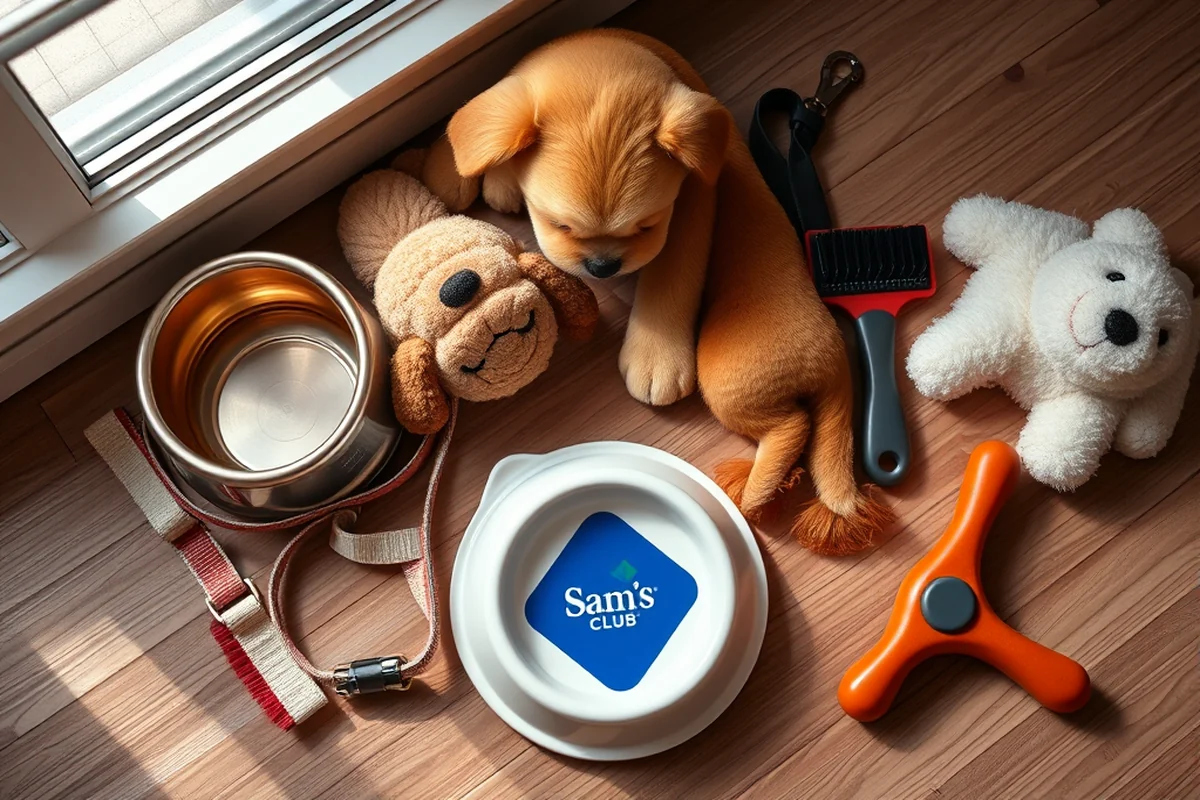
Since Charlie started using the hearing aids, his behavior has become more predictable and calm. He no longer jumps or barks at sudden noises, and he can hear me more clearly. This has made our daily interactions more meaningful and less stressful.
I’ve noticed that Charlie is now more engaged in our routines, like meal times and walks. He can hear the sound of the leash and the door opening, which makes him more excited to go out. This has significantly improved his mood and overall happiness.
The improvement in Charlie’s behavior has also had a positive effect on our home environment. He’s more responsive to commands, and the house feels calmer and more peaceful.
Related: Starkey hearing aids
The Role of a Vet in the Hearing Aid Process
Even though I had a strong sense that Charlie was losing his hearing, I still took him to the vet for a thorough check-up. The vet confirmed that Charlie was experiencing a mild hearing loss and recommended hearing aids as a solution. This was an important step in ensuring that the hearing aids were appropriate for his condition.
The vet also provided guidance on how to introduce the hearing aids and monitor Charlie’s progress. They advised me to be patient and to observe any changes in his behavior over the next few weeks.
Working with the vet was essential in making sure that the hearing aids were properly fitted and that Charlie was comfortable with them. It gave me peace of mind knowing that I was making the right decision for my pet’s health and well-being.
Related: Modern hearing aids reviews
What to Expect When Introducing Hearing Aids
When I first put the hearing aids on Charlie, he was a bit confused and even a little resistant. But I didn’t push him — instead, I used treats and gentle encouragement to help him get used to the new sensation. It took a few days, but he eventually became comfortable with them.
I made sure to introduce the hearing aids gradually, starting with short periods of wear and gradually increasing the time. This helped Charlie adjust without feeling overwhelmed or anxious.
Positive reinforcement was key in making the process smooth and stress-free for both Charlie and me. Every time he wore the hearing aids without any complaints, I gave him a treat to reinforce the behavior.
Patience and consistency are the keys to helping your pet adjust to hearing aids.
Related: Hearing aid reviews
The Long-Term Benefits of Hearing Aids for Senior Pets
Over the past few months, I’ve seen a noticeable improvement in Charlie’s behavior and confidence. He’s more alert and responsive, and he can hear me clearly from across the house. This has made our interactions more meaningful and less frustrating.
The hearing aids have also helped me feel more connected to Charlie. I can now communicate with him more effectively, and I can hear him when he’s calling for me. This has made our relationship stronger and more rewarding.
For senior pets, the long-term benefits of hearing aids are significant. They provide a way to maintain communication and ensure safety, which is especially important as pets age and their senses decline.
🦴 Senior Pet Hearing Aid
Designed specifically for senior pets with hearing loss, offering comfort and clarity for pets who need extra support as they age.
🐶 Small Breed Hearing Aid
Tailored for small breed pets, these hearing aids are compact and lightweight, ensuring a snug fit for petite pets.
🐱 Multi-Pet Home Hearing Aid
Ideal for households with multiple pets, this variation ensures each pet gets a hearing aid that fits their unique needs and lifestyle.
💰 Budget-Friendly Hearing Aid
An affordable solution for pet owners who want to provide hearing support without breaking the bank.
✈️ Travel-Friendly Hearing Aid
Perfect for pets who are on the go, these hearing aids are compact, durable, and easy to carry for travel and outdoor adventures.
| The mistake | Why it happens | The fix |
|---|---|---|
| Not consulting a vet before purchasing hearing aids | A vet can assess your pet’s hearing loss and recommend the most suitable solution based on their specific needs and condition. | Always consult with your vet before making a purchase. They can provide valuable insights and ensure that the hearing aids are appropriate for your pet. |
| Forcing the hearing aids on your pet without gradual introduction | Forcing the hearing aids on your pet can cause stress and discomfort, making the adjustment process more difficult. | Introduce the hearing aids gradually and use treats and positive reinforcement to make the experience enjoyable for your pet. |
| Ignoring signs of discomfort or irritation | If your pet shows signs of discomfort or irritation, it can lead to long-term issues and make them resistant to using the hearing aids. | Monitor your pet closely for any signs of discomfort and consult your vet if needed. Make sure the hearing aids are properly fitted and adjusted. |
| Not following the cleaning and maintenance instructions | Failure to clean and maintain the hearing aids can lead to dirt buildup, which can affect their performance and cause discomfort for your pet. | Follow the cleaning instructions provided with the hearing aids to ensure they remain in good condition and function properly. |
Sam'S Club Hearing Aids
Common Questions
Are Sam’s Club hearing aids safe for senior pets?
How long does it take for my pet to adjust to the hearing aids?
Can I use Sam’s Club hearing aids for both cats and dogs?
How do I clean the hearing aids?
References
- EDUCATING HEALTH CARE PROFESSIONALS ON IMPLANTABLE ... (digscholarship.unco.edu)
- Federal Trade Commission Volume Decision 100 (July (ftc.gov)
Cite this guide
Senior Pet Hearing Loss (2026). Sam'S Club Hearing Aids. https://hearingharbor.com/sam-s-club-hearing-aids/
Feel free to cite or share this guide.
Senior Pet Hearing Check
Scores everyday signs of hearing loss in senior pets.
Open it free →