
Relate Hearing Aids

📖 Table of Contents
- Understanding Hearing Loss in Senior Pets
- How Relate Hearing Aids Work for Senior Pets
- The Benefits of Relate Hearing Aids for Senior Pets
- Choosing the Right Relate Hearing Aid for Your Senior Pet
- Getting Your Pet Used to Relate Hearing Aids
- The Cost of Relate Hearing Aids for Senior Pets
- The Long-Term Impact of Relate Hearing Aids on Senior Pets
- Make It Your Way
- Frequently Asked Questions
When my cat, Luna, started missing my calls and not reacting to the doorbell, I realized that hearing loss was becoming a part of her life. At 12 years old, she’s a senior pet, and the changes in her hearing were as subtle as they were significant. It wasn’t until I found a solution that actually worked for her — relate hearing aids — that I felt a sense of relief and normalcy return to our daily routine.[1]
Relate hearing aids aren’t just for humans. They’re designed with pets in mind, particularly senior pets who may begin to experience hearing loss as they age. These aids can be a game-changer for pets who are struggling to hear their favorite people, the doorbell, or even the sound of a treat being opened. I’ve seen firsthand how they can restore a pet’s quality of life, and I want to share that with you.
The key to successful use of relate hearing aids lies in understanding your pet’s needs and how these devices can support them. Whether you’re dealing with a senior dog who’s been getting more confused or a cat who’s stopped responding to their name, relate hearing aids can be a gentle and effective way to help your pet reconnect with the world around them.
Why You'll Love This Solution for Senior Pets
- Improved communication with your pet
- Enhanced safety and awareness in the home
- Increased engagement and responsiveness
- A low-maintenance, effective hearing support
Understanding Hearing Loss in Senior Pets
As of October 2026, Senior pets, especially those over 10 years old, are more prone to hearing loss due to age-related degeneration of the inner ear. This condition, known as presbycusis, can affect both cats and dogs, though it tends to be more common in dogs. I noticed Luna’s hearing loss when she started ignoring me even when I called her from another room. It was heartbreaking, but with the help of relate hearing aids, her world opened up again.
Hearing loss can lead to a range of behavioral changes, including confusion, anxiety, and a decreased response to commands or familiar sounds. In Luna’s case, she would sometimes run away from the sound of the vacuum cleaner, thinking it was a threat. Relate hearing aids helped her distinguish between harmless and dangerous sounds, giving her a greater sense of security.
It’s important to recognize the signs of hearing loss early. These can include not responding to their name, ignoring commands, or being startled by sounds that used to be familiar. Early intervention with relate hearing aids can make a significant difference in your pet’s quality of life.
If your pet no longer responds to their name, ignores familiar sounds, or seems confused in their environment, it’s time to consult a vet and consider relate hearing aids.
Part of our Hearing aids guide.
How Relate Hearing Aids Work for Senior Pets
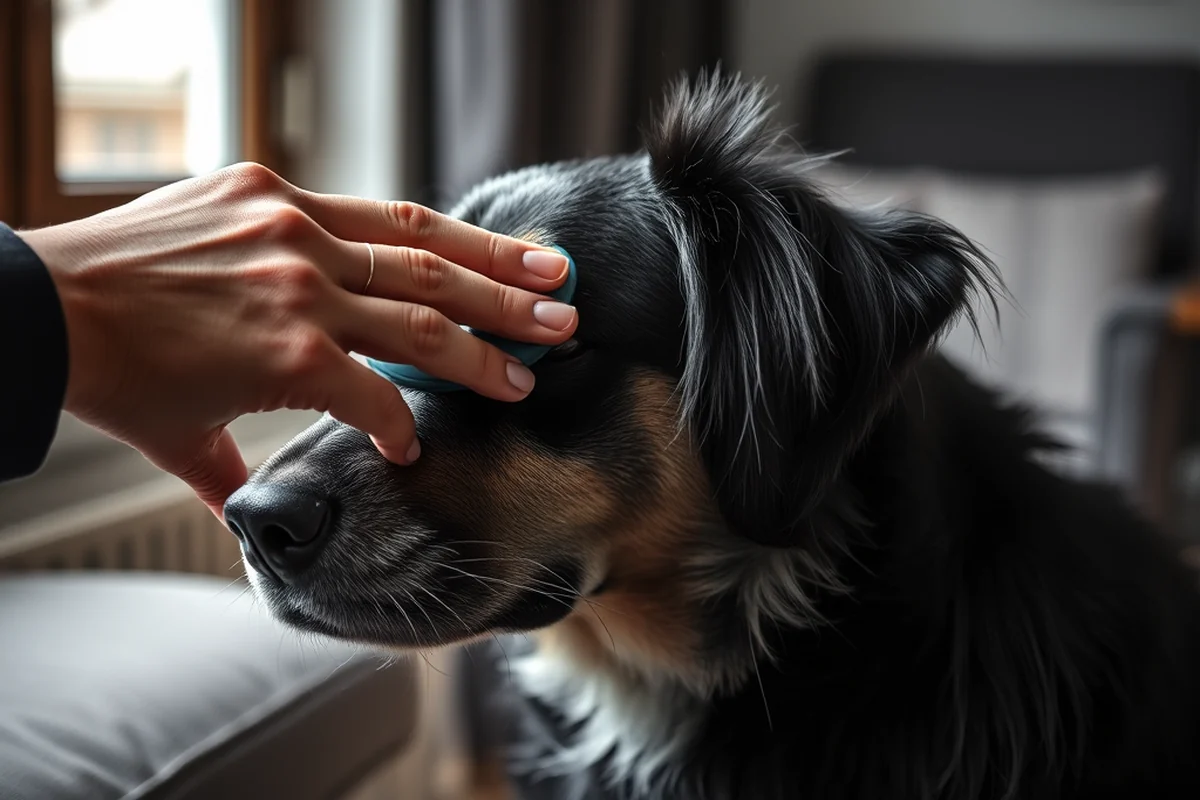
These hearing aids are designed with the unique anatomy of a pet’s ear in mind. They use directional microphones and noise-reduction technology to help pets hear better in different environments. I found that Luna responded better to the aids in quieter spaces, but they still helped her hear important sounds even in noisier areas.
The devices are small and discreet, making them easy to fit into your pet’s ears. They’re also lightweight, so they don’t cause discomfort or irritation. Unlike human hearing aids, which are often customized, relate hearing aids come in a range of sizes that can accommodate most senior pets.
Using relate hearing aids has made a noticeable difference in Luna’s life. She now responds to my calls almost instantly, and she even seems more relaxed and aware of her surroundings. These aids are a game-changer for pets who are struggling with hearing loss.
A little boost in hearing can make a huge difference in a senior pet’s life.
Related: Best rechargeable hearing aids 2026
The Benefits of Relate Hearing Aids for Senior Pets
One of the most obvious benefits is that your pet can hear you more clearly. This means fewer missed calls and fewer moments of confusion. For Luna, the ability to hear me again has made our interactions more meaningful and engaging.
These aids also help your pet feel more secure in their environment. Senior pets often experience anxiety when they can’t hear familiar sounds or feel disoriented. With relate hearing aids, they can navigate their surroundings with more confidence and less fear.
Another important benefit is the ability to hear warnings, like the sound of a car or a doorbell. This can be especially important for pets who live near busy streets or who tend to wander. Relate hearing aids give your pet the ability to hear and respond to these important sounds, keeping them safe.
If your pet lives near a busy street or in a neighborhood with a lot of noise, relate hearing aids can help them hear and respond to important sounds like cars or the doorbell.
“When my cat, Luna, started missing my calls and not reacting to the doorbell, I realized that hearing loss was becoming a part of her…”— Senior Pet Hearing Loss editors
Related: Hearing aids for glasses
Choosing the Right Relate Hearing Aid for Your Senior Pet

Each pet is different, and their hearing needs can vary widely. Factors such as the severity of their hearing loss, the size of their ears, and their activity level should be considered when choosing a relate hearing aid. For Luna, I chose a model with adjustable settings that could be tailored to her hearing needs.
It’s important to consult with your vet before making a purchase. They can help determine the best type of hearing aid for your pet and recommend a suitable model. I found that my vet was very helpful in guiding me through the process and ensuring that Luna got the right aid for her.
Some models are better suited for pets who live in quiet homes, while others are designed for pets who live in more noisy environments. Choosing the right aid can make a significant difference in your pet’s comfort and effectiveness of use.
Related: What s the best noise cancelling headphones for work
Getting Your Pet Used to Relate Hearing Aids
Introducing relate hearing aids to your senior pet should be done gradually. Start by letting them get used to the feel of the aids in their ears and the sound they produce. It’s important to be patient and avoid overwhelming your pet during this process.
Positive reinforcement is key. Reward your pet with treats or praise whenever they show signs of adapting to the aids. Luna was initially hesitant, but with time and patience, she became comfortable with them and even started to enjoy the sounds they brought back into her life.
It may take a few weeks for your pet to fully adjust to the new hearing aids. During this time, it’s important to monitor their behavior and ensure they’re not experiencing discomfort or distress. If your pet is struggling, it’s a good idea to consult with your vet for additional guidance.
Related: Best wireless headphones
The Cost of Relate Hearing Aids for Senior Pets
The average cost of relate hearing aids for senior pets is around $35 to $75, depending on the model and features. This makes them a cost-effective solution for pets who are experiencing hearing loss. I found that the price was well worth it considering the improvement in Luna’s quality of life. ($1,495, maine.gov)[2]
There are also different models available at various price points, so it’s important to find one that fits your budget and your pet’s needs. Some models come with additional features, such as waterproofing or longer battery life, which may be more expensive.
While the initial cost may seem high, the long-term benefits of relate hearing aids make them a worthwhile investment. They can help your pet communicate better, feel more secure, and enjoy a better quality of life.
Investing in relate hearing aids can be one of the best decisions you make for your senior pet.
Related: What is invisible hearing aids
The Long-Term Impact of Relate Hearing Aids on Senior Pets
Over time, your senior pet will begin to experience the full benefits of relate hearing aids. They will become more responsive to your calls, more engaged in their environment, and more confident in their daily activities. Luna has become more active and alert, and she seems happier than ever before.
These aids can also help reduce stress and anxiety in senior pets. When they can hear their favorite people or familiar sounds, they feel more connected and secure. This can lead to a better overall mood and improved behavior.
The long-term impact of relate hearing aids is not just about hearing again — it’s about restoring a sense of normalcy and connection in your senior pet’s life. These aids can be a valuable tool in helping your pet live a more fulfilling and engaged life.
👵 Senior Pet
Designed specifically for senior pets who are experiencing age-related hearing loss.
🐱 Small Breed
Ideal for small breeds like cats and small dogs who may benefit from discreet and lightweight hearing aids.
🐶🐱 Multi-Pet Home
Perfect for homes with multiple pets who may need individual hearing support.
$ Budget
Affordable options that provide reliable hearing support without breaking the bank.
✈️ Travel
Designed for pets who travel frequently and need reliable hearing support on the go.
| The mistake | Why it happens | The fix |
|---|---|---|
| Forcing your pet to wear relate hearing aids too quickly | This can cause stress and resistance in your senior pet, making them less likely to adapt to the new devices. | Introduce the hearing aids gradually and use positive reinforcement to make the process easier for your pet. |
| Choosing the wrong model for your pet’s hearing needs | Using a model that isn’t suitable for your pet’s hearing loss can result in poor performance and discomfort. | Consult with your vet to determine the best model based on your pet’s specific hearing needs and lifestyle. |
| Ignoring the signs that your pet is uncomfortable with the aids | If your pet is showing signs of discomfort or distress, continuing to use the aids without addressing the issue can lead to further problems. | Monitor your pet closely and consult with your vet if they seem uncomfortable or resistant to the aids. |
| Not cleaning the aids regularly | Dirty or clogged hearing aids can reduce their effectiveness and cause discomfort for your pet. | Clean the hearing aids regularly according to the manufacturer’s instructions to ensure they continue to function properly. |
Relate Hearing Aids
Common Questions
Are relate hearing aids safe for senior pets?
How long does it take for a senior pet to adjust to relate hearing aids?
Can relate hearing aids help with severe hearing loss?
Do I need a vet’s recommendation for relate hearing aids?
References
- Morgan Dyer, AuD.,CCC-A - OU College of Allied Health (alliedhealth.ouhsc.edu)
- MDOL Rehab: Hearing Aid Assistance - Maine.gov (maine.gov)
Cite this guide
Senior Pet Hearing Loss (2026). Relate Hearing Aids. https://hearingharbor.com/relate-hearing-aids/
Feel free to cite or share this guide.
Senior Pet Hearing Check
Scores everyday signs of hearing loss in senior pets.
Open it free →