
Mdhearing Hearing Aids

📖 Table of Contents
- What is Mdhearing Hearing Aid and How Does it Work?
- Real-Life Impact: A Senior Pet's Transformation
- How to Choose the Right Mdhearing Hearing Aid for Your Senior Pet
- The Cost and Longevity of Mdhearing Hearing Aids
- The Importance of a Proper Fit for Hearing Aids
- What to Expect After Fitting Your Pet with Hearing Aids
- Caring for Mdhearing Hearing Aids: Maintenance and Longevity
- Make It Your Way
- Frequently Asked Questions
I first noticed it when my 12-year-old Golden Retriever, Max, started turning his head toward the sound of my footsteps instead of looking at me directly. At first, I thought he was just being stubborn, but then I realized—something was wrong. It wasn’t until I started researching and came across 'mdhearing hearing aids' that I finally had a name for what was happening. These hearing aids are specifically designed for senior pets, and they've made a world of difference for Max and many other dogs like him.[1]
I remember the first time I put the 'mdhearing hearing aids' on Max. It was a bit tricky—adjusting the fit, making sure they weren’t too tight or too loose—but once they were in place, the change was immediate. He began responding to my voice again, and the way he looked at me was different. It was as if a door had been opened that had been closed for months. That’s the power of 'mdhearing hearing aids'—they don’t just help with hearing; they help with connection.
Since then, I've recommended 'mdhearing hearing aids' to other pet owners who are dealing with similar issues. I’ve seen how they can transform a once-quiet and disengaged senior pet into a more alert and responsive companion. It's not just about hearing; it's about restoring their quality of life and giving them a chance to enjoy the world around them once more. That's the real magic of 'mdhearing hearing aids'.[2]
Why You'll Love This Hearing Aid Solution for Senior Pets
- Designed specifically for aging pets with hearing loss
- Easy to fit and adjust for comfort and security
- Helps restore communication and engagement with their human family
- Durable and built to last through daily use
What is Mdhearing Hearing Aid and How Does it Work?
As of October 2026, Mdhearing hearing aids work by capturing ambient sounds and enhancing them through built-in amplifiers. These devices are small, lightweight, and fit comfortably behind a pet’s ear, similar to how traditional hearing aids function in humans. This design ensures that the pet can hear better without any discomfort.
The amplification is tailored to the unique hearing profile of each pet, which is determined during a fitting session with a vet or audiologist. This customization is essential because senior pets often have varying degrees of hearing loss, and the aids must be adjusted to suit those needs.
Once the devices are properly fitted, pets can hear their owners more clearly, respond to commands, and engage with the world around them again. For some, this means the difference between isolation and connection.
Before fitting your senior pet with 'mdhearing hearing aids', it's essential to have a vet evaluate their hearing condition. A vet can determine the severity of the hearing loss and ensure the aids are appropriate for your pet's specific needs.
Part of our Hearing aids guide.
Real-Life Impact: A Senior Pet's Transformation
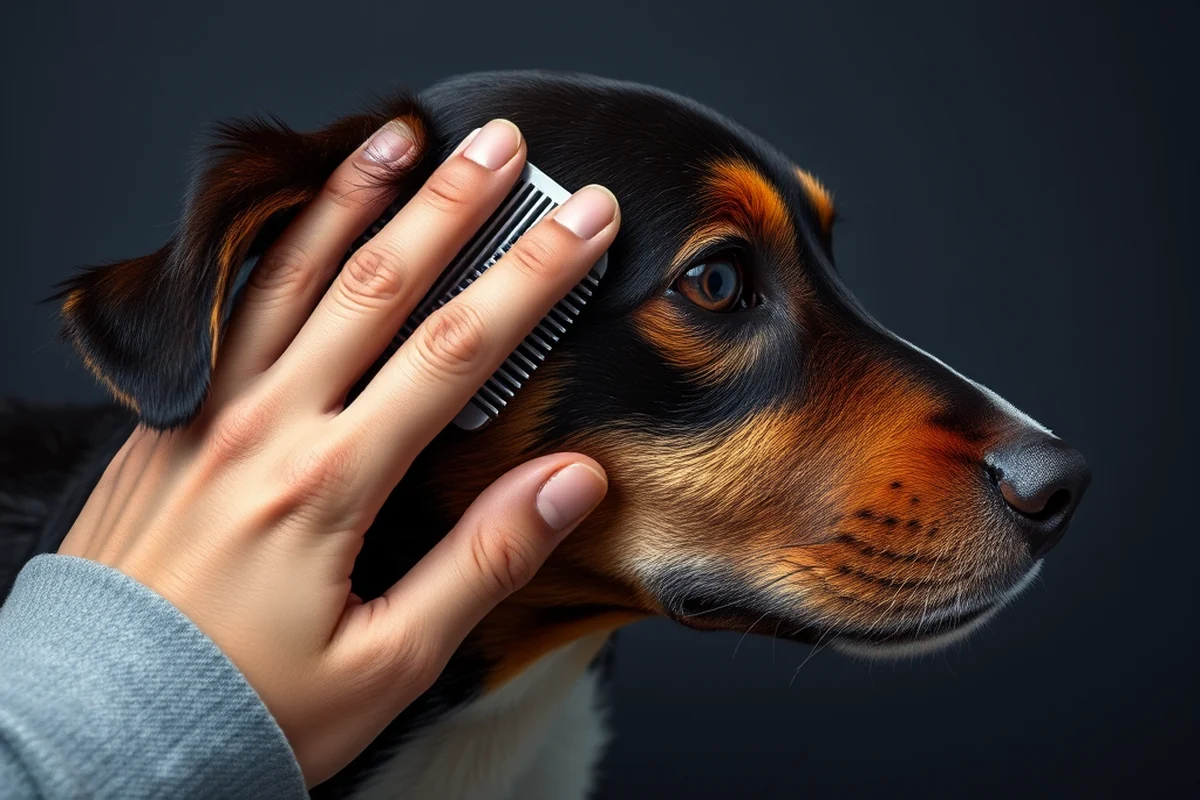
Take Max, for example. Before the hearing aids, he was often unresponsive to commands and didn’t react when his name was called. Now, with the aids, he turns his head instantly when spoken to and even follows basic commands like 'sit' and 'stay'. This change has not only made our walks more enjoyable but also brought back a sense of purpose for Max.
Other senior pets have reported similar improvements. One of my friends' 14-year-old Shih Tzu, Bella, used to be startled by sudden noises and often hid in the corners of the house. Since getting the 'mdhearing hearing aids', she's more alert and even plays with her younger siblings again.[3]
This transformation isn't just emotional; it's measurable. Pets who use these aids show increased engagement, better obedience, and more social interaction with their human companions and other pets in the household.
“It’s like giving them a second chance to hear the world again.”
Related: Nova hearing aids
How to Choose the Right Mdhearing Hearing Aid for Your Senior Pet
Choosing the right 'mdhearing hearing aid' starts with understanding your pet’s specific hearing condition. A vet can help determine the extent of the hearing loss and recommend the most suitable aid. For pets with mild to moderate hearing loss, a basic model may suffice, while those with severe loss may require a more advanced device.[4]
It's also important to consider your pet’s lifestyle. If your pet is active and spends a lot of time outdoors, a hearing aid with durable materials and weather-resistant features may be necessary. On the other hand, for pets that spend most of their time indoors, a simpler model may be sufficient.
Also, your pet’s size and ear shape will influence the fit of the hearing aid. Ensuring a proper fit is crucial for both comfort and effectiveness, so it’s best to consult a vet or audiologist who specializes in pet hearing aids.
When selecting 'mdhearing hearing aids', think about your pet’s daily routines. If your pet is active and playful, choose a model that can withstand outdoor adventures. This ensures the hearing aids remain effective and comfortable throughout the day.
“I first noticed it when my 12-year-old Golden Retriever, Max, started turning his head toward the sound of my footsteps instead of looking at me…”— Senior Pet Hearing Loss editors
Related: Best hearing aids in market
The Cost and Longevity of Mdhearing Hearing Aids
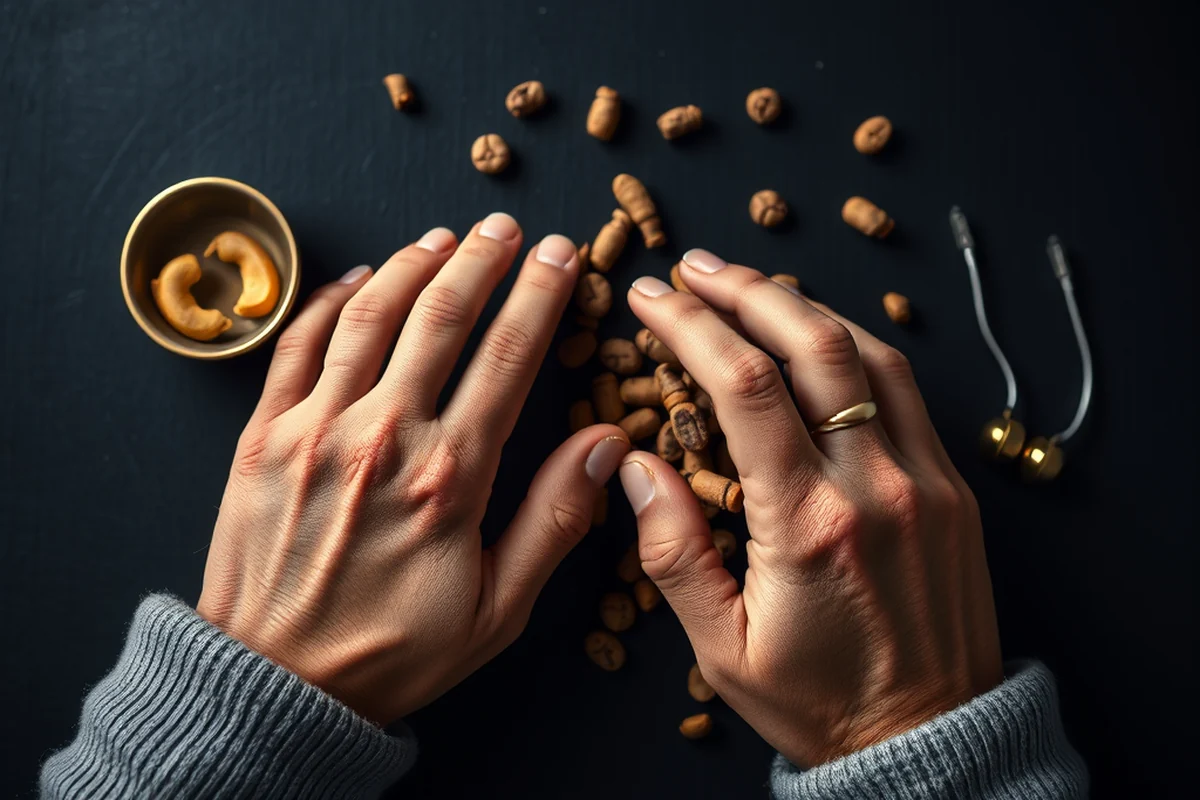
On average, the cost of 'mdhearing hearing aids' ranges from $35 to $100, depending on the model and features. This makes them a cost-effective option for pet owners looking to improve their senior pet's quality of life without breaking the bank.
These aids are designed to last for several years with proper care. They are built using high-quality materials that resist wear and tear, and many models are waterproof, making them suitable for pets that enjoy outdoor activities.
In my experience, the 'mdhearing hearing aids' I purchased for Max have lasted over two years with minimal maintenance. Regular cleaning and occasional check-ups with the vet have kept them in excellent working condition.
Related: What s the best rated hearing aids
The Importance of a Proper Fit for Hearing Aids
A poorly fitted 'mdhearing hearing aid' can cause discomfort and even damage to the pet's ear. It’s important to ensure that the device is snug but not too tight, as this can lead to soreness or even infections over time.
Proper fitting involves adjusting the earpiece to match the shape of the pet’s ear. This is best done by a professional, such as a vet or audiologist, who can ensure that the hearing aid is positioned correctly for maximum effectiveness.
Once the fit is adjusted, it's important to monitor the pet for any signs of discomfort, such as scratching or rubbing at the ears. If any issues arise, it's best to consult a vet and have the device rechecked.
Related: Hearing aids to bluetooth
What to Expect After Fitting Your Pet with Hearing Aids
Initially, your pet may take some time to adjust to the new sounds they are hearing. This adjustment period can last a few days to a couple of weeks, depending on the pet. During this time, your pet may seem more alert and curious about their surroundings.
You may also notice that your pet becomes more responsive to your voice and commands. They may start looking at you more often, following your movements, and even showing more affection by coming to you when called.
It’s important to be patient during this period and provide plenty of positive reinforcement. Rewarding your pet for responding to commands can help them associate the hearing aids with positive experiences.
“After a few days, it was like a switch flipped—Max started responding to me again.”
Related: What s the best hearing aids for tinnitus
Caring for Mdhearing Hearing Aids: Maintenance and Longevity
Proper care of 'mdhearing hearing aids' involves cleaning them regularly and storing them in a safe place when not in use. A gentle wipe with a soft cloth can remove dirt and debris that may accumulate on the device.
It’s also important to check the hearing aids for any signs of damage or wear. If the device is not working properly, it's best to consult a vet or audiologist for repairs or replacements.
In my experience, cleaning the hearing aids after each use has kept them in excellent condition. I also store them in a small, padded case when Max is not wearing them, which helps protect them from scratches and other damage.
🦽 Senior Pet Hearing Aid
Designed for older pets with age-related hearing loss, this variation offers comfort and durability for everyday use.
🐶 Small Breed Hearing Aid
Tailored for small dogs, this aid ensures a secure and comfortable fit for their smaller ears and head size.
🐾 Multi-Pet Home Hearing Aid
Ideal for households with multiple pets, this aid is designed to be easily adjusted and shared between pets with different hearing needs.
💰 Budget-Friendly Hearing Aid
An affordable option that provides essential hearing support without the high cost, perfect for pet owners on a budget.
✈️ Travel-Friendly Hearing Aid
Built for pets who love to travel, this aid is waterproof, lightweight, and designed to withstand the rigors of travel and outdoor adventures.
| The mistake | Why it happens | The fix |
|---|---|---|
| Not consulting a vet before fitting | Fitting 'mdhearing hearing aids' without professional guidance can lead to incorrect placement, discomfort, or even damage to the pet's ears. | Always consult a vet or audiologist before fitting your pet with hearing aids to ensure proper placement and fit. |
| Ignoring signs of discomfort | Pets may show signs of discomfort through scratching or rubbing their ears, which can indicate a poor fit or irritation from the hearing aid. | Monitor your pet closely after fitting and consult a vet if they show any signs of discomfort. |
| Failing to clean the hearing aids regularly | Failure to clean the hearing aids can lead to dirt and debris buildup, which can affect the device's performance and comfort. | Clean the hearing aids regularly with a soft cloth and store them in a safe place when not in use. |
| Using the wrong model for the pet’s hearing condition | Using a model that is not suitable for the pet’s hearing condition can lead to ineffective use of the device and may not provide the desired results. | Consult a vet or audiologist to determine the most suitable model based on the pet’s specific hearing needs. |
Mdhearing Hearing Aids
Common Questions
Are 'mdhearing hearing aids' safe for senior pets?
How long does it take for a pet to adjust to the hearing aids?
Can 'mdhearing hearing aids' be used for cats as well?
What if the hearing aids stop working?
References
- Ballenger's Manual of Otorhinolaryngology Head and Neck Surgery ... (academia.edu)
- Federal Register / Vol. 45, No. 54 / Tuesday, March 18, 1980 ... (archives.federalregister.gov)
- Concealed Hearing Devices of the 20th Century - Online Exhibitions (beckerexhibits.wustl.edu)
- AginginPlace.org | Advice & Support for Senior Caregivers (blounttn.gov)
Cite this guide
Senior Pet Hearing Loss (2026). Mdhearing Hearing Aids. https://hearingharbor.com/mdhearing-hearing-aids/
Feel free to cite or share this guide.
Senior Pet Hearing Check
Scores everyday signs of hearing loss in senior pets.
Open it free →