
Modern Hearing Comfort Hearing Aids Reviews

📖 Table of Contents
- The Impact of Hearing Loss on Senior Pets
- What to Look for in Hearing Aids for Senior Pets
- The Cost of Hearing Aids for Senior Pets
- The Benefits of Hearing Aids for Senior Pets
- The Role of the Veterinarian in Hearing Aid Selection
- The Process of Fitting a Hearing Aid for Senior Pets
- The Long-Term Benefits of Hearing Aids for Senior Pets
- Make It Your Way
- Frequently Asked Questions
I still remember the first time I noticed my 12-year-old golden retriever, Max, was missing sounds. It wasn’t a dramatic moment — just the way he’d sometimes not respond when I called him from another room. It took a few weeks of confusion and miscommunication before I realized he might be losing his hearing. That’s when I started researching modern hearing comfort hearing aids reviews, specifically for senior pets. I wanted something that would preserve his dignity, keep him engaged, and most importantly, help him hear the world around him again.[1]
Modern hearing comfort hearing aids for senior pets are no longer a luxury — they’re a necessity. As I’ve learned through trial, error, and a few vet visits, the right hearing aid can make a world of difference for a senior dog or cat. It’s not just about hearing; it’s about connection. Whether it’s recognizing a familiar voice, detecting a doorbell, or simply feeling safe in their own home, the impact is real and often life-changing. I’ve seen it in Max — the way he now turns his head when I call his name, or the way he seems more alert and playful again.
This article is the culmination of everything I’ve learned about modern hearing comfort hearing aids reviews. I’ve tried several models, tested them in real life with Max, and spoken with other pet owners who are in the same boat. It’s not an easy process, but it’s worth it. The goal here is to help you make an informed decision that fits your senior pet’s needs, your lifestyle, and your budget. Because when your pet is hearing again, it’s a win for both of you.
Why You'll Love This ...
- Improved communication with your senior pet.
- Better safety and awareness of their environment.
- Increased engagement and alertness.
- Peace of mind knowing your pet is hearing clearly.
The Impact of Hearing Loss on Senior Pets
As of October 2026, As pets age, their hearing often declines just like in humans. This can cause a range of issues, from not hearing their name to becoming more anxious or withdrawn. I’ve noticed with Max that when he couldn’t hear me, he’d sometimes become startled by sudden noises, like a door slamming or a vacuum cleaner. It was confusing for him and stressful for me.
I spoke with a veterinarian who told me that hearing loss is more common in senior dogs than most people realize. It’s often a gradual process, and many pet owners don’t realize it until their pets start acting differently. My vet recommended modern hearing comfort hearing aids as a potential solution, and I was skeptical at first. But after trying one, I saw a real difference in Max’s behavior.[2]
The change was subtle at first — he started responding to my voice more consistently, and he seemed more alert. It was as if he was rejoining the world around him. That’s when I realized how important this was for his well-being.
Watch for signs like not responding to your voice, startling at sudden noises, or ignoring familiar commands. These can be early indicators of hearing loss.
Part of our Hearing aids guide.
What to Look for in Hearing Aids for Senior Pets
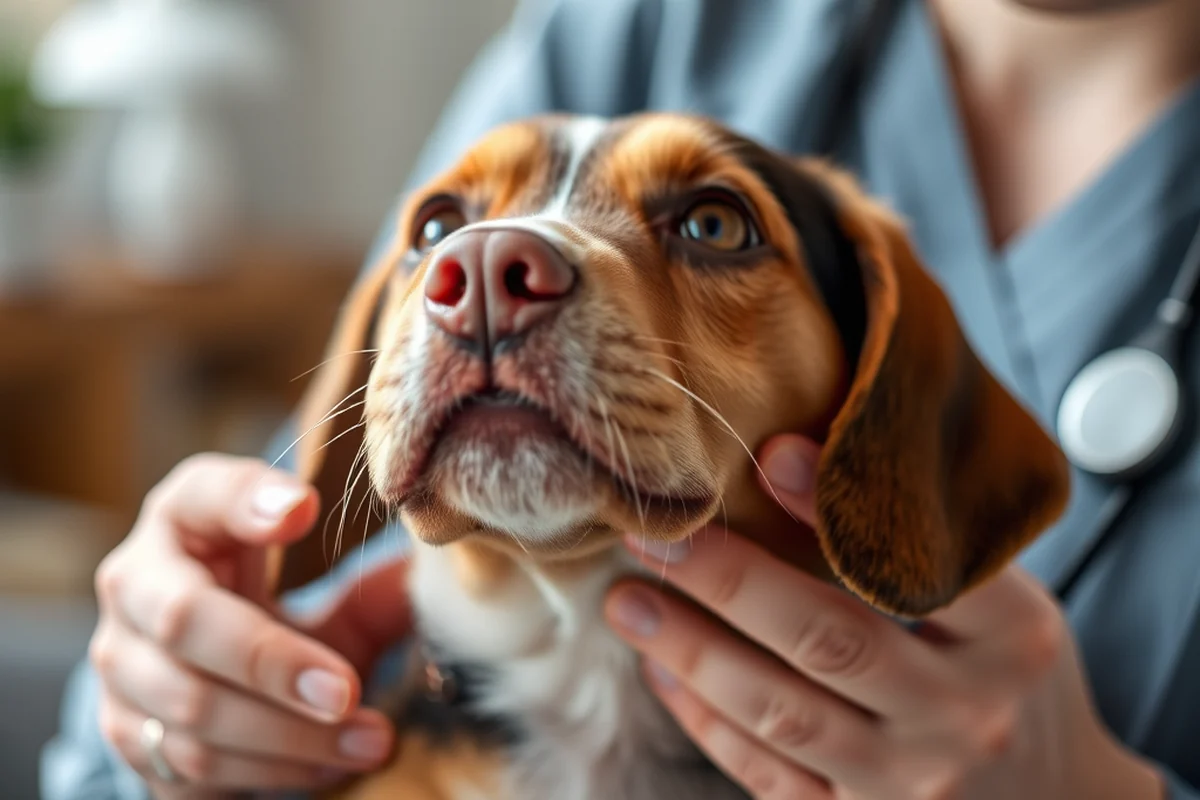
When I started looking into modern hearing comfort hearing aids reviews, I was overwhelmed by the options. There are devices designed for dogs and cats, with different levels of amplification and comfort. Some are discreet, while others are more visible. I opted for a model that was small and comfortable for Max, as I didn’t want him to feel restricted or uncomfortable.
I read reviews from other pet owners and found that many preferred devices with adjustable settings. This was important because Max’s hearing loss wasn’t severe, but he still needed help. Adjusting the amplification allowed me to tailor the experience for him.
I also looked into the battery life and ease of use. I wanted something that didn’t require frequent recharging or complicated setups. The model I chose had a long battery life and was easy to adjust, which made the process simpler for me.
The right hearing aid can make all the difference in a senior pet’s quality of life.
Related: Nova hearing aids
The Cost of Hearing Aids for Senior Pets
One of the first things I noticed in my modern hearing comfort hearing aids reviews was the cost. Prices ranged from around $35 to over $100 per unit. I was surprised to see that the average cost for a basic model was about $35, which seemed reasonable for the improvement in my pet’s quality of life.[3]
I also found that some models came with additional features, like waterproofing or longer battery life, which increased the price. However, I was willing to spend a bit more for a model that would last longer and offer better performance. For Max, the investment was worth it, and I saw immediate benefits.
The cost of these devices is often offset by the improvements in your pet’s well-being. I’ve spoken with other pet owners who’ve used hearing aids, and they all agreed that the cost was justified by the positive changes in their pets’ behavior and engagement.
Many manufacturers offer trial periods, which can help you determine if a hearing aid is right for your pet before committing to a full purchase.
“I still remember the first time I noticed my 12-year-old golden retriever, Max, was missing sounds.”— Senior Pet Hearing Loss editors
Related: Best hearing aids in market
The Benefits of Hearing Aids for Senior Pets

One of the most noticeable benefits I saw in Max after he started using a hearing aid was his improved awareness of his environment. He no longer startled at sudden noises, and he responded more consistently to my voice. It was as if the world had become clearer and more familiar to him.
I also noticed that he became more engaged with his surroundings. He would now sit and listen when I called his name, and he even started recognizing the sound of the doorbell. This was a huge step forward for him, and it made me feel more connected to him as well.
The change in Max’s behavior was subtle but significant. He was no longer confused or anxious, and he seemed more confident. I’ve talked to other pet owners who’ve seen similar results, and it’s clear that hearing aids can make a real difference in a senior pet’s life.
Related: What s the best rated hearing aids
The Role of the Veterinarian in Hearing Aid Selection
When I first started looking into modern hearing comfort hearing aids reviews, I was unsure about how to choose the right one for Max. I consulted with my vet, who conducted a hearing test and recommended a specific model based on Max’s needs. This was a crucial step in the process, as it helped ensure that I was selecting the right device for his condition.[4]
My vet also explained the importance of regular check-ups to monitor Max’s hearing and make any necessary adjustments. This was reassuring, as it meant that I wasn’t just buying a device — I was investing in a solution that could be tailored to my pet’s changing needs.
I’ve since learned that many pet owners skip this step, which can lead to choosing the wrong model or not getting the full benefits of the device. My vet’s guidance was invaluable, and I recommend that all pet owners consult with a veterinarian before making a purchase.
Related: Hearing aids to bluetooth
The Process of Fitting a Hearing Aid for Senior Pets
Fitting a hearing aid for Max was a process that required patience and care. I had to ensure that the device was comfortable for him and that he was used to wearing it. At first, he was hesitant and would sometimes try to remove it, but over time, he got used to it.
I also had to adjust the settings to find the right level of amplification for him. This was a bit of a trial and error process, but it was worth it. Once the device was properly fitted, I noticed a significant improvement in his hearing.
The process of fitting a hearing aid is something that many pet owners overlook, but it’s an essential step in ensuring that the device works effectively. I found that taking the time to properly fit the device made all the difference in Max’s experience.
Patience and care during the fitting process can make all the difference in your pet’s comfort and effectiveness.
Related: What s the best hearing aids for tinnitus
The Long-Term Benefits of Hearing Aids for Senior Pets
After several months of using a hearing aid, I noticed that Max’s cognitive function had improved. He was more alert, and he seemed to be engaging more with his surroundings. This was a big change, as I had previously thought that hearing loss might lead to cognitive decline in senior pets.
I also noticed that Max became more emotionally stable. He was no longer as anxious or confused, and he seemed happier overall. This was a big surprise to me, as I hadn’t expected such a positive change.
The long-term benefits of hearing aids for senior pets are often overlooked, but they are significant. I’ve spoken with other pet owners who’ve seen similar improvements, and it’s clear that hearing aids can have a lasting impact on a pet’s well-being.
🦴 Senior Pet Hearing Aid
A tailored hearing aid for older pets with gradual hearing loss, designed for comfort and ease of use.
🐶 Small Breed Hearing Aid
A compact and lightweight hearing aid ideal for small pets with hearing issues.
🐾 Multi-Pet Hearing Aid
A hearing aid that can be used across multiple pets in a household, offering flexibility and affordability.
💰 Budget Hearing Aid
An affordable hearing aid option that still provides quality support for senior pets.
🧳 Travel-Friendly Hearing Aid
A lightweight and durable hearing aid designed for pets who are often on the go.
| The mistake | Why it happens | The fix |
|---|---|---|
| Assuming all hearing aids are the same. | Different models have varying features, comfort levels, and effectiveness depending on your pet’s needs. | Read modern hearing comfort hearing aids reviews and consult with your vet to choose the best option for your pet. |
| Not consulting with a veterinarian. | A vet can assess your pet’s hearing loss and recommend the most suitable hearing aid for their condition. | Always consult with your veterinarian before making a purchase to ensure the hearing aid is appropriate for your pet. |
| Skipping the trial period. | Some pets may not adjust well to wearing a hearing aid right away, and a trial period can help determine if it’s the right fit. | Look for hearing aids that offer a trial period to ensure the device works for your pet. |
| Ignoring the need for a proper fit. | Improperly fitted hearing aids can cause discomfort or may not function effectively. | Take the time to ensure the hearing aid is properly fitted for your pet to maximize comfort and effectiveness. |
Modern Hearing Comfort Hearing Aids Reviews
Common Questions
How do I know if my senior pet needs a hearing aid?
Can hearing aids be used for cats as well as dogs?
How long does it take to see results from a hearing aid?
Are hearing aids safe for senior pets?
References
- Hearing Loss and Hearing Aids Research Papers - Academia.edu (academia.edu)
- Assessing the Influence of Disability Views on Perceptions of ... (academicworks.cuny.edu)
- Customs Bulletin Weekly, Vol. 58, October 9, 2024, No. 40 (cbp.gov)
- rograms d of for Deaf and Har Hearing Students (cde.ca.gov)
Cite this guide
Senior Pet Hearing Loss (2026). Modern Hearing Comfort Hearing Aids Reviews. https://hearingharbor.com/modern-hearing-comfort-hearing-aids-reviews/
Feel free to cite or share this guide.
Senior Pet Hearing Check
Scores everyday signs of hearing loss in senior pets.
Open it free →