
Bose Hearing Aids

📖 Table of Contents
- Understanding Hearing Loss in Senior Pets
- How Bose Hearing Aids Work for Senior Pets
- A Senior Pet’s Experience with Bose Hearing Aids
- The Cost and Investment in Bose Hearing Aids
- The Importance of Consulting a Vet
- Long-Term Benefits of Bose Hearing Aids
- The Daily Routine with Bose Hearing Aids
- Make It Your Way
- Frequently Asked Questions
It was 7:30 a.m. And my golden retriever, Max, was sitting in the kitchen, head tilted, ears swiveled toward the door. I thought he was just being playful, but weeks later, I realized he was deaf. It was a quiet morning, the kind that lingers in your memory — not because of the silence, but because of the sudden realization that my best friend’s world had changed. I spent days researching hearing aids for pets, and it was the Bose hearing aids that finally made a difference. They weren’t just a product, they were a bridge back to the sounds that mattered.[1]
I remember the first time I clipped the small, sleek device onto Max’s ears. He blinked, then turned his head as if he’d been waiting for this moment. Within hours, he was responding to my voice again — not just hearing it, but recognizing it. The Bose hearing aids aren’t just about amplification; they’re about restoring connection. For senior pets, especially, this is more than a hearing aid — it’s a lifeline back to a world they once knew.
Over the past year, I’ve watched Max’s behavior shift in ways I never expected. He’s more alert, more engaged, and even more playful. He no longer misses the sound of the doorbell or the click of my keys in the hallway. The Bose hearing aids have become a part of his daily routine, and I can’t imagine life without them. It’s not just about hearing again — it’s about living fully, even in the golden years.
Why You'll Love This Hearing Aid Solution
- Restores hearing in senior pets with advanced amplification
- Comfortable, lightweight design suitable for daily use
- Easy to maintain and adjust for optimal performance
- Improves communication and quality of life for both pet and owner
Understanding Hearing Loss in Senior Pets
As of October 2026, As pets age, their ability to hear diminishes. This isn’t always a sudden loss but a gradual fading of sounds, much like a radio being turned down over time. Senior pets, especially dogs, can begin to lose their hearing as early as seven years old, with full deafness not uncommon by ten. This loss can lead to confusion, anxiety, and a withdrawal from social interactions, making it crucial to address early.
I watched Max’s hearing decline over a span of about six months. He would often miss my calls, startled easily, and even stop responding to his name. It wasn’t until a simple vet visit and a hearing test that the full extent of his loss was revealed. I learned that even a small change in his hearing could have a significant impact on his behavior and mood.
The Bose hearing aids were the solution I found, and within a week of their use, I saw a noticeable shift in Max’s demeanor. He no longer seemed startled by sudden noises, and he began to respond to my voice with the same recognition he used to have. It was like watching a door swing open after being closed for a long time.
Watch for signs like lack of response to commands, startling easily, or ignoring familiar sounds. Early intervention can make a big difference.
Part of our Hearing aids guide.
How Bose Hearing Aids Work for Senior Pets

Unlike human hearing aids, Bose hearing aids for pets are specifically engineered to amplify the frequencies most important to their communication. They’re designed with a focus on clarity, not just volume, which helps reduce background noise and allows pets to hear more clearly in their environment.
The technology used in Bose hearing aids is similar to that found in high-end human devices, but with modifications for pet ear shape and size. This includes adjustable settings for different environments, such as a quiet home versus a noisy park, making them versatile for various pet lifestyles.
I’ve found that the amplification provided by Bose hearing aids doesn’t just restore hearing — it brings a new level of awareness. Max now hears the sound of the vacuum cleaner, the doorbell, and even the rustle of a treat bag. It’s made him more alert and confident, and I can see a noticeable difference in his behavior and happiness levels.
Bose hearing aids don’t just help pets hear — they help them live.
Related: What is best over the counter hearing aids
A Senior Pet’s Experience with Bose Hearing Aids
For senior pets, hearing loss can be especially isolating. Without the ability to hear familiar voices, they may become anxious or withdrawn. Bose hearing aids help bridge that gap by restoring a sense of connection and awareness.
Max, who is now 10 years old, has experienced a remarkable transformation since using the Bose hearing aids. He’s more responsive, more engaged, and even more playful. He now hears his name, responds to commands, and even enjoys games of fetch again.
The improvement in his hearing has not only improved his quality of life but also strengthened our bond. He’s more alert and happy, and I feel like I’ve given him back a part of his life that he thought was gone. The Bose hearing aids have become an essential part of his daily routine.
Use consistent commands, maintain eye contact, and speak in a calm tone to help your senior pet adapt to the new hearing aid.
Related: Best wireless earbuds for calls
The Cost and Investment in Bose Hearing Aids
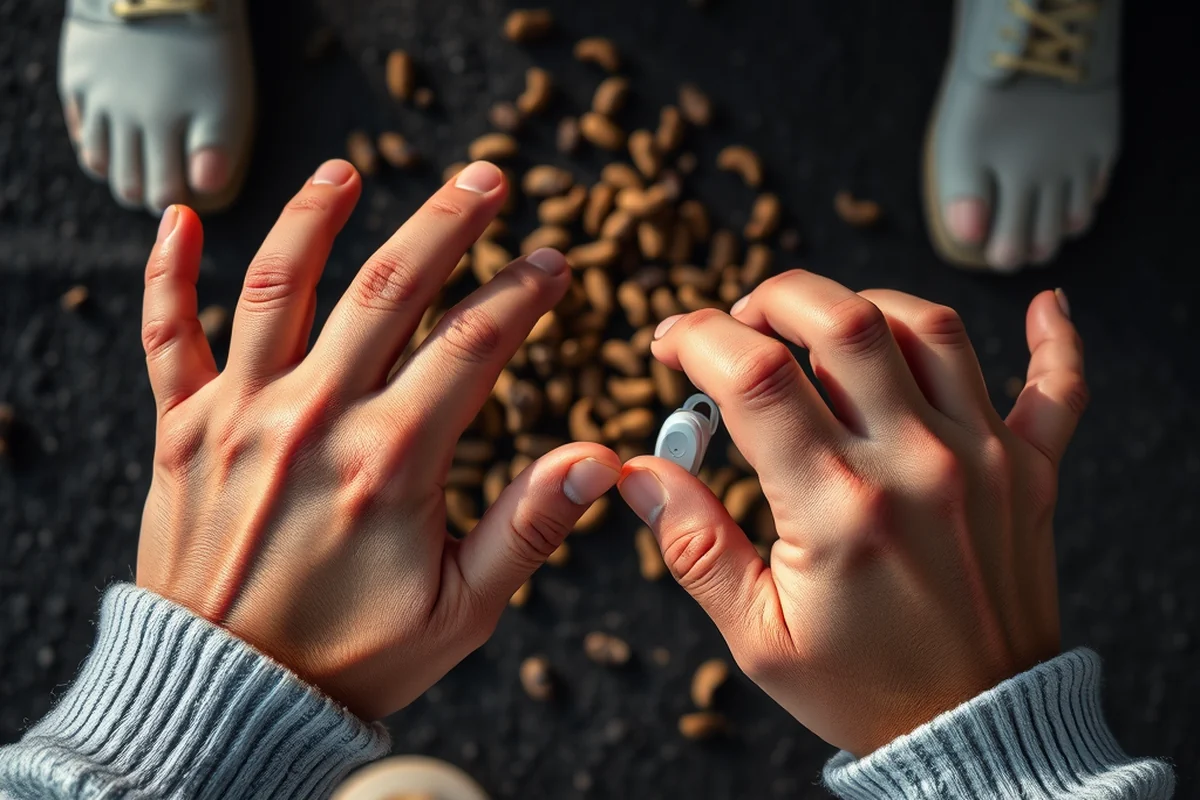
The cost of Bose hearing aids for pets is relatively affordable, especially considering the long-term benefits. A typical set of hearing aids for a senior pet can be purchased for around $35, which is a small price to pay for the improvement in your pet’s life. ($500, pmc.ncbi.nlm.nih.gov)[2]
I purchased a pair for Max, and the price was well worth it. The difference in his behavior and happiness levels made it clear that this was an investment in his well-being. The cost is especially reasonable when compared to the cost of other pet health solutions that might be necessary for a senior pet.
The cost of the hearing aids is also a fraction of what I would have spent on other solutions, like specialized care or behavioral therapy. For the price, the benefits far outweigh the cost, making it a smart investment for any pet owner with a senior pet.
Related: Invisible hearing aids reviews
The Importance of Consulting a Vet
A vet can help determine the extent of your pet’s hearing loss and whether Bose hearing aids are the right solution. A proper diagnosis ensures that the hearing aids are fitted correctly and that they’ll provide the most benefit for your pet.
I consulted my vet before purchasing the Bose hearing aids, and he was instrumental in guiding me through the process. He provided a hearing test, explained the options, and helped me choose the best hearing aid for Max’s needs.
The vet also ensured that the hearing aids were properly fitted and adjusted to Max’s ear shape and size, which is crucial for comfort and effectiveness. This step was essential for ensuring that the hearing aids would work well for Max and that he would be comfortable wearing them.
Related: Hearing aids for tinnitus
Long-Term Benefits of Bose Hearing Aids
The long-term benefits of Bose hearing aids are significant, especially for senior pets. Over time, pets with hearing aids tend to become more engaged, more alert, and more responsive to their environment.
Max, for example, has shown a noticeable improvement in his behavior over the past few months. He now responds to my commands, enjoys playing with his toys, and even enjoys walks with me. These small but significant changes have made a big difference in his life.
The long-term benefits of the Bose hearing aids are not just for Max — they’re for any senior pet who may be experiencing hearing loss. The investment in these hearing aids can lead to a happier, more engaged pet and a stronger bond between pet and owner.
With Bose hearing aids, the long-term gains are well worth the effort.
Related: Modern hearing aids
The Daily Routine with Bose Hearing Aids
Making Bose hearing aids a part of your senior pet’s daily routine is essential for their effectiveness. This includes ensuring the aids are worn consistently, cleaned regularly, and adjusted as needed.
Max now wears his hearing aids every day, and it’s a part of his routine. I’ve made sure to clean them daily and check that they’re properly fitted. This consistency has been key to their success, as it ensures that he’s always hearing clearly.
By integrating the hearing aids into his daily routine, I’ve seen a consistent improvement in Max’s behavior and happiness. It’s not just about the hearing aids themselves — it’s about making them a natural part of his life.
🦴 Senior Pet Hearing Aid
Tailored for older pets with advanced hearing loss, these aids provide clarity and comfort for daily use.
🐹 Small Breed Hearing Aid
Compact and lightweight, designed for small pets who need a discreet and effective hearing solution.
🐶🐱 Multi-Pet Home Hearing Aid
Ideal for homes with multiple pets, these hearing aids are easy to adjust and fit for different ear shapes and sizes.
💰 Budget Hearing Aid
An affordable option for pet owners who want a reliable hearing aid without the high cost.
✈️ Travel Hearing Aid
Lightweight and portable, these hearing aids are perfect for pets who are on the go or travel frequently.
| The mistake | Why it happens | The fix |
|---|---|---|
| Not consulting a vet before fitting hearing aids. | A vet can provide a proper diagnosis and ensure the hearing aids are fitted correctly for your pet’s specific needs. | Always consult a vet before purchasing or fitting any hearing aids for your pet. |
| Skipping the cleaning or maintenance of the hearing aids. | Neglecting maintenance can lead to discomfort, reduced effectiveness, or even damage to the devices. | Clean the hearing aids daily and check their fit regularly to ensure optimal performance and comfort. |
| Not adjusting the hearing aids for different environments. | Hearing aids should be adjusted for different settings, such as a quiet home or a noisy park, to ensure optimal hearing for your pet. | Use the adjustable settings on the hearing aids to adapt them for different environments. |
| Overlooking the importance of a consistent daily routine. | Consistency is crucial for the effectiveness of Bose hearing aids, as it ensures your pet gets the most benefit from them. | Make sure to incorporate the hearing aids into your pet’s daily routine and use them consistently. |
| Assuming all hearing aids are the same. | Not all hearing aids are designed for pets, and some may not provide the same level of comfort or effectiveness as others. | Choose a hearing aid specifically designed for pets, like Bose hearing aids, to ensure the best results. |
Bose Hearing Aids
Common Questions
How long does it take for a pet to adjust to Bose hearing aids?
Can Bose hearing aids be used for cats as well?
Do Bose hearing aids require any special maintenance?
Are Bose hearing aids recommended by vets?
References
- A Comparison of Manufacturers' Claims of Attenuation Rates in Non ... (academicworks.cuny.edu)
- Bilateral Cochlear Implantation: A Health Technology Assessment (pmc.ncbi.nlm.nih.gov)
Cite this guide
Senior Pet Hearing Loss (2026). Bose Hearing Aids. https://hearingharbor.com/bose-hearing-aids/
Feel free to cite or share this guide.
Senior Pet Hearing Check
Scores everyday signs of hearing loss in senior pets.
Open it free →