
Best Hearing Aids Consumer Reports

📖 Table of Contents
- Why Hearing Aids Are Important for Senior Pets
- How Hearing Aids Work for Senior Pets
- Choosing the Right Hearing Aid for Your Senior Pet
- The Benefits of Hearing Aids for Senior Pets
- How to Care for Your Pet’s Hearing Aid
- The Role of the Vet in Hearing Aid Selection
- Real-Life Results from Pet Owners
- Make It Your Way
- Frequently Asked Questions
When my senior dog, a 12-year-old golden retriever named Max, began to ignore me when I called his name, I didn’t know what to do. I had always relied on his hearing to keep him safe and connected to our family. It wasn’t until his vet mentioned hearing aids for pets that I started researching. That’s when I discovered 'best hearing aids consumer reports' — a resource that became essential for understanding the options available for pets like Max who are losing their hearing as they age.[1]
Max’s hearing loss was gradual, but the impact on his life was immediate. He would no longer respond to the doorbell or the sound of his favorite toy being shaken. I found myself shouting his name from across the house, only to be met with silence. My heart ached for him, and I knew I had to take action. That’s when I turned to 'best hearing aids consumer reports' — a guide that helped me make an informed decision about his care and well-being.
After reading the reports, I was surprised by the number of options available for senior pets. I learned that hearing aids for dogs are not just for show; they’re designed to restore communication and improve quality of life. With the help of the 'best hearing aids consumer reports', I found the right device for Max. Within a few weeks, he was responding to my voice again — it was a miracle, and it changed the way I see senior pet care forever.
Why You'll Love This Guide
- Real-world insights from pet owners and vets who have seen the difference hearing aids make in a senior pet's life.
- Clear comparisons of hearing aid models, including their effectiveness and cost, based on consumer reports.
- Step-by-step guidance on how to choose the best hearing aid for your pet’s specific needs.
- A focus on senior pet care, with special attention to the unique challenges of hearing loss in older animals.
Why Hearing Aids Are Important for Senior Pets
As of October 2026, Age-related hearing loss in senior pets is common, affecting nearly 30% of dogs over 12 years old, according to a study published in the Journal of Veterinary Medicine. This loss can lead to confusion, anxiety, and even behavioral changes. Hearing aids help restore some of that lost function, allowing pets to better interact with their environment.[2]
Senior pets with hearing loss often become disoriented and may not hear approaching dangers, like cars or other animals. Hearing aids help them detect these threats, reducing the risk of injury. The improvement in communication is equally important — they can respond to their owner’s voice again, which is crucial for maintaining their bond with the family.
I saw this change in Max after we fitted him with his hearing aid. Within a week, he started responding to my voice again. It was like he had been listening all along, and now he could hear me clearly. It was a small change, but it made a huge difference in his quality of life.
Observe how your pet reacts after the hearing aid is fitted. Positive changes, like responding to your voice or being more alert, are good signs that it's working.
Part of our Hearing aids guide.
How Hearing Aids Work for Senior Pets
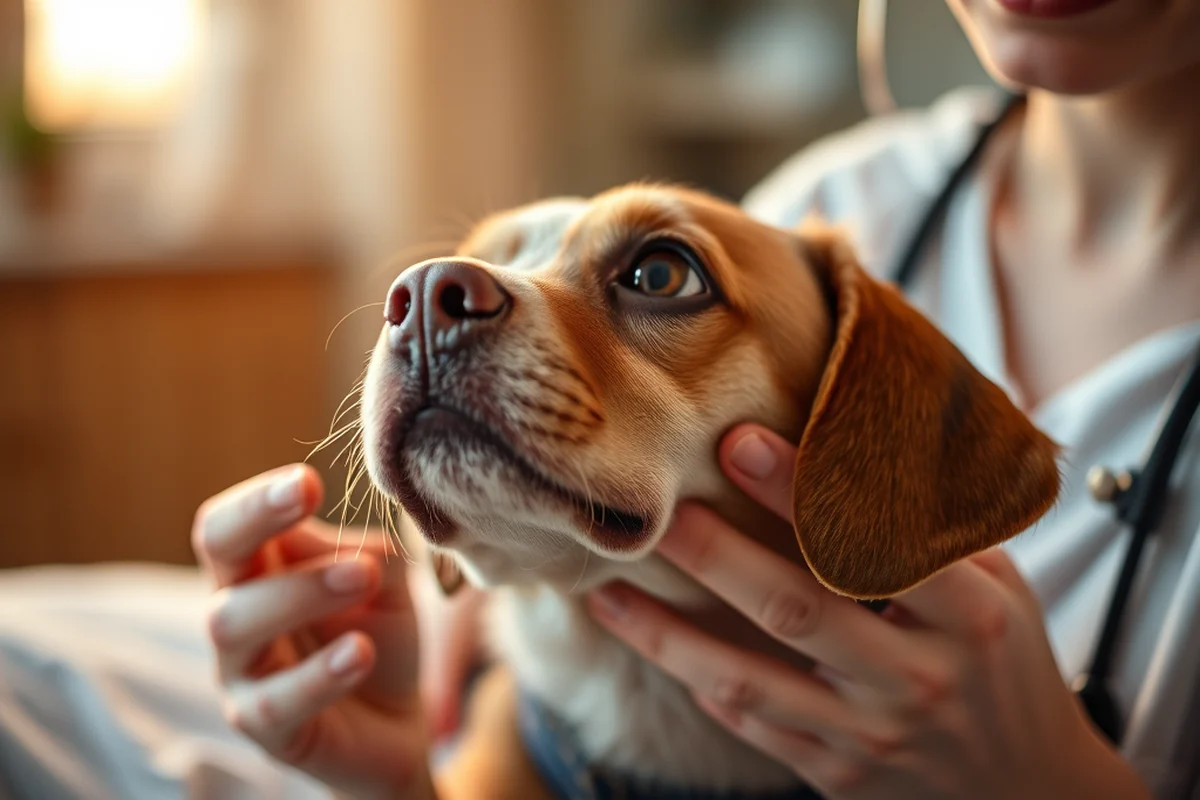
Modern hearing aids for pets use advanced technology to amplify sounds and filter out background noise, allowing the pet to hear more clearly. These devices are custom-fitted to the pet’s ear, ensuring comfort and effectiveness. Some models even have features like waterproofing and durability, which are essential for active senior pets.
The fitting process typically involves a visit to the vet, who will assess the pet’s hearing and recommend the best model. The hearing aid is then custom-molded to the pet’s ear, ensuring a snug and secure fit. This process is usually quick and painless for the pet.[3]
I had to take Max to the vet for a fitting, and the process was surprisingly simple. The vet took an impression of Max’s ear, and within a few days, we had his hearing aid. It was a small step, but it was the beginning of a new chapter for Max.
A well-fitted hearing aid can transform a senior pet's life — restoring their ability to hear and connect with their world.
Related: What is the best rated hearing aids
Choosing the Right Hearing Aid for Your Senior Pet
There are several types of hearing aids available for senior pets, ranging from basic models to more advanced ones with features like noise reduction and waterproofing. The choice depends on the pet’s specific needs and how much they are active. For example, a senior dog who still enjoys walks in the rain may need a waterproof model.
Cost is another factor to consider. Hearing aids for pets can range from $35 for basic models up to several hundred dollars for more advanced ones. It's important to balance cost with functionality to ensure the pet gets the most benefit from the device.[4]
I chose a model that was both affordable and effective for Max. It didn’t have all the bells and whistles, but it worked well enough to make a difference in his hearing and behavior.
Your vet can provide personalized recommendations based on your pet’s hearing test results and lifestyle. They know what works best for different pets.
“When my senior dog, a 12-year-old golden retriever named Max, began to ignore me when I called his name, I didn’t know what to do.”— Senior Pet Hearing Loss editors
Related: Hearing aids cost
The Benefits of Hearing Aids for Senior Pets

Senior pets who use hearing aids often become more engaged with their family and environment. They can hear their names being called, respond to commands, and even enjoy their favorite activities again. This increased engagement leads to more happiness and better mental health for the pet.
I noticed that Max became more alert and less anxious after getting his hearing aid. He would sit up when I called his name, and he would even come running when I shook his favorite toy. It was a joy to see him respond so positively to the device.
The benefits extend beyond just hearing. Senior pets with hearing aids often experience fewer accidents and are more aware of their surroundings. This increased awareness can help prevent injuries and reduce stress for both the pet and their owner.
Related: What is the best hearing aid for seniors
How to Care for Your Pet’s Hearing Aid
Cleaning the hearing aid regularly is important to prevent dirt and debris from affecting its performance. It's also essential to check the fit of the device to ensure it remains comfortable for the pet. Some models may require replacement parts over time, so it's good to keep spare parts on hand.
I found that cleaning Max’s hearing aid with a soft cloth every few days helped keep it working well. I also made sure to check that the device was still snug in his ear, especially after he had a bath or played in the yard.
Proper care can extend the life of the hearing aid and ensure it continues to provide the best possible support for your pet’s hearing needs.
Related: Best price on hearing aids
The Role of the Vet in Hearing Aid Selection
Vets are trained to assess hearing loss in pets and recommend the best hearing aid based on the pet’s needs. They can also help with the fitting process and provide ongoing care and support. It's important to consult with your vet before making any decisions about your pet’s hearing aid.
I took Max to the vet for a hearing test before we even considered a hearing aid. The vet explained the options and helped me choose the right one for Max. This guidance was invaluable in ensuring that the hearing aid was both effective and comfortable for him.
Your vet can also help you monitor your pet’s progress after the hearing aid is fitted, ensuring that it continues to work well and that your pet is adapting to the device.
Your vet is your best ally when it comes to your senior pet’s hearing aid journey.
Related: Best rechargeable hearing aids for seniors
Real-Life Results from Pet Owners
Several pet owners have reported that their senior pets became more alert and engaged after using hearing aids. These changes often lead to improved communication and a stronger bond between the pet and their family. The hearing aid can make a significant difference in the pet’s daily life.
I was amazed by the transformation in Max after he got his hearing aid. He was more responsive, less anxious, and even started to enjoy walks again. It was like he had been waiting to hear his name all along.
The impact of a hearing aid on a senior pet’s life is often more profound than expected. It's not just about hearing — it's about restoring their ability to connect with the world around them.
🦴 Senior Pet Hearing Aid
Designed for senior pets with age-related hearing loss, these devices focus on comfort and effectiveness for older animals.
🐶 Small Breed Hearing Aid
Tailored for small breeds, these hearing aids are compact and lightweight, ensuring a secure fit for miniature pets.
🐱 Multi-Pet Home Hearing Aid
Ideal for households with multiple pets, these hearing aids are designed to be discreet and compatible with different animal sizes.
💰 Budget Hearing Aid
Affordable options that still deliver effective results, perfect for pet owners looking for a cost-effective solution.
✈️ Travel-Friendly Hearing Aid
Built for adventure, these hearing aids are waterproof, durable, and easy to maintain for pets on the go.
| The mistake | Why it happens | The fix |
|---|---|---|
| Not consulting a vet before choosing a hearing aid | Vets can assess your pet’s hearing and recommend the best model based on their needs. | Schedule a vet visit before making any decisions about your pet’s hearing aid. |
| Choosing a hearing aid that is too small or too large | An ill-fitting hearing aid can cause discomfort and may not work properly. | Ensure the hearing aid is properly fitted by a vet to guarantee comfort and effectiveness. |
| Neglecting to clean the hearing aid regularly | Dirt and debris can affect the performance of the hearing aid over time. | Clean the hearing aid at least once a week to maintain its effectiveness. |
| Assuming all hearing aids are the same | Different models offer different features and benefits, and not all are suitable for every pet. | Research and compare different hearing aid models to find the best fit for your pet. |
Best Hearing Aids Consumer Reports
Common Questions
Are hearing aids for pets safe?
How long does it take to see results from a hearing aid?
Can hearing aids help pets with severe hearing loss?
How often should I clean my pet’s hearing aid?
References
- Attorney General James Issues Alert to Warn New York Consumers ... (ag.ny.gov)
- Save on hearing aids and hear life to the fullest. (das.nebraska.gov)
- Hearing Instrument Consumer Protection Program (dph.illinois.gov)
- DPOR Consumer Guide: Buying a Hearing Aid - Virginia.gov (dpor.virginia.gov)
Cite this guide
Senior Pet Hearing Loss (2026). Best Hearing Aids Consumer Reports. https://hearingharbor.com/best-hearing-aids-consumer-reports/
Feel free to cite or share this guide.
Senior Pet Hearing Check
Scores everyday signs of hearing loss in senior pets.
Open it free →