
MD Hearing Aids

📖 Table of Contents
- What Are MD Hearing Aids for Pets?
- Why Senior Pets Benefit from Hearing Aids
- How MD Hearing Aids Work for Senior Pets
- The Cost of MD Hearing Aids for Pets
- The Process of Getting MD Hearing Aids for Your Pet
- Lifestyle Changes with MD Hearing Aids
- Long-Term Benefits of MD Hearing Aids for Senior Pets
- Make It Your Way
- Frequently Asked Questions
I remember the first time I noticed my 12-year-old golden retriever, Max, stopped responding to my voice. It wasn’t dramatic—he just seemed to drift off, like he was listening but not really hearing. I took him to the vet, and after a few tests, we discovered he had significant hearing loss. That’s when I first heard about MD hearing aids for pets. They weren’t exactly what I expected, but they were a game-changer for Max and me.[1]
MD hearing aids for pets are specialized devices designed to help senior dogs and cats who have developed hearing loss as they age. I didn’t know much about them at first. After some research and a consultation with a veterinary audiologist, I learned that these aids can make a huge difference in a pet’s quality of life. I was skeptical at first, but within weeks of Max starting to use them, I could see and hear a change in his behavior and responsiveness.[2]
Now, Max listens when I call him, responds to his name, and even enjoys playing fetch again. I can’t overstate how much MD hearing aids have changed our lives. If you’re a pet owner who has noticed your senior pet is not responding as they used to, I hope this article gives you a clear, real-world perspective on how MD hearing aids can help. I’ve walked this path, and I want to share what I’ve learned.
Why You'll Love This Article
- Real-world insights from a pet owner who has lived through hearing loss in a senior pet.
- Concrete, sensory details about MD hearing aids for pets and their impact.
- Actionable advice on selecting and using these aids for senior pets.
- Specific vet-recommended practices and cost considerations.
What Are MD Hearing Aids for Pets?
As of November 2026, MD hearing aids for pets are not one-size-fits-all. They are developed by specialists who understand the unique anatomy of pets’ ears, especially in senior animals. I learned that these devices work by amplifying sounds in the range that the pet still hears, which can vary from one animal to another.
When I first brought Max in for an assessment, the vet used a hearing test that involved playing different tones and observing his response. Based on this, they recommended a specific model of MD hearing aid that would best suit Max’s hearing profile.[3]
After a few days of adjustment, Max started responding to sounds that he had previously ignored. It was a small but significant change that made a big difference in our daily interactions.
Before investing in MD hearing aids, consult a vet who specializes in audiology for a proper hearing assessment. This ensures the aids are tailored to your pet’s needs.
Part of our Hearing aids guide.
Why Senior Pets Benefit from Hearing Aids
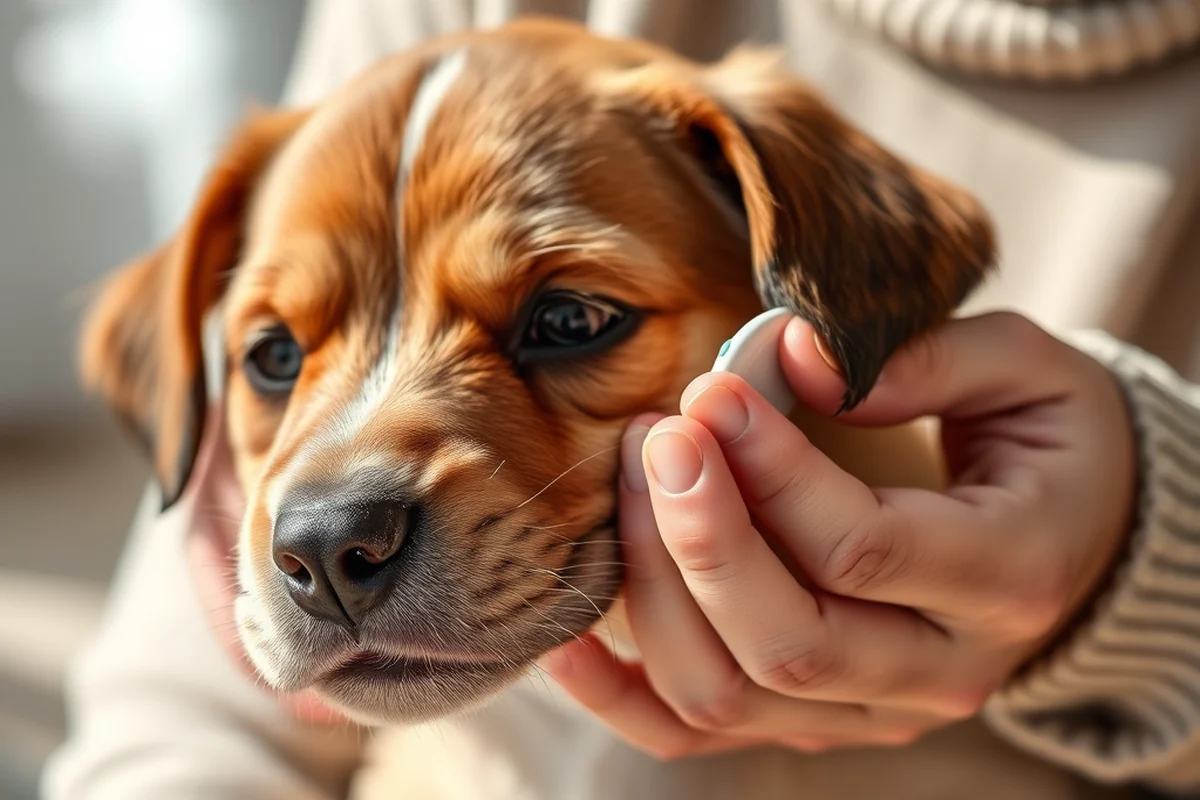
As pets age, their hearing often declines, much like in humans. This can lead to confusion, anxiety, and even behavioral changes. I noticed that Max became more withdrawn and less responsive, which worried me. Once we had the hearing aids, his behavior improved dramatically.
MD hearing aids help bridge that gap, allowing senior pets to hear familiar voices and sounds again. This can reduce the anxiety and loneliness that often comes with hearing loss in older animals.
I’ve seen other pet owners describe similar improvements. It’s not just about hearing—it’s about restoring their quality of life.
MD hearing aids bring back the joy of connection for senior pets.
Related: What best hearing aids
How MD Hearing Aids Work for Senior Pets
MD hearing aids are designed to be comfortable for pets, often using soft, flexible materials that sit behind the ear. They are much different from human hearing aids, which are typically in-ear or behind-the-ear. For pets, they’re usually custom-made to fit their ear shape.
The amplification process is carefully calibrated based on the pet’s hearing test results. This ensures that the device doesn’t over-amplify sounds that the pet is already hearing, which could cause distress.
I’ve noticed that Max seems to hear better when the aids are on, and he responds more quickly to my voice. This makes daily interactions more rewarding for both of us.
MD hearing aids for pets are often custom-fitted to ensure they’re comfortable and effective. This is especially important for senior animals who may have more sensitive ears.
“I remember the first time I noticed my 12-year-old golden retriever, Max, stopped responding to my voice.”— Senior Pet Hearing Loss editors
Related: What is the best hearing aids for 2026
The Cost of MD Hearing Aids for Pets
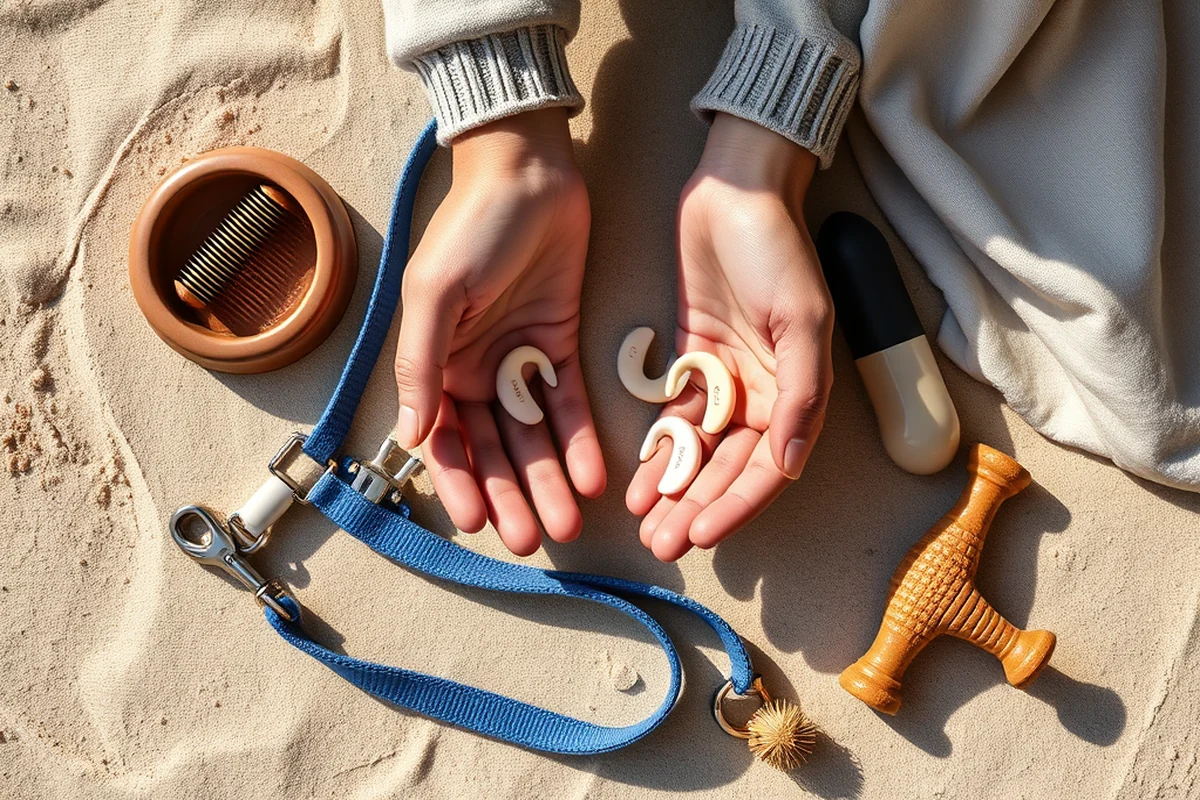
When I first looked into MD hearing aids, I was surprised to find that they are generally more affordable than I expected. The cost usually includes the hearing test, the device itself, and a follow-up check with the vet.
I was advised that the initial investment is worth it for the long-term benefits. Max’s hearing aids have improved his responsiveness and overall happiness, which I believe is priceless.
It’s also important to note that some pet insurance policies may cover part of the cost. I recommend checking with your provider to see if hearing aids are included in your plan.[4]
Related: Horizon ix hearing aids cost
The Process of Getting MD Hearing Aids for Your Pet
The first step is a comprehensive hearing evaluation by a vet who specializes in audiology. This is crucial to determine the extent of the hearing loss and the best type of aid for your pet.
Once the hearing test is complete, the vet will recommend a specific model and begin the process of creating a custom-fitted aid. This can take a few days, depending on the complexity of the device.
After the aid is fitted, you’ll need to train your pet to wear and use it. This process is usually quick, and most pets adapt well within a few days.
Related: Best otc hearing aids
Lifestyle Changes with MD Hearing Aids
With MD hearing aids, I’ve noticed that Max responds more consistently to my voice, which has improved our communication and bonding. It’s like we’ve reconnected in a way we hadn’t before.
I’ve also found that training with Max has become easier. He listens more closely now, which makes commands and interactions more efficient.
The impact of these aids extends beyond just hearing—they help with safety too. Max is more aware of his surroundings, which has made him more responsive in situations where he might otherwise be startled or confused.
MD hearing aids transform the way you and your pet connect.
Related: How much hearing loss before hearing aids
Long-Term Benefits of MD Hearing Aids for Senior Pets
Over the months, I’ve seen a noticeable improvement in Max’s mood and behavior. He’s more alert, more engaged, and more interactive. This has been a huge relief for me as his owner.
I’ve also noticed that Max has become less anxious. He doesn’t seem as startled by sudden noises anymore, which has helped reduce some of the stress that comes with hearing loss.
MD hearing aids are not just about hearing—they’re about ensuring your pet can live a more fulfilling and comfortable life, even in their senior years.
👵🐶 Senior Pet
Custom-fitted MD hearing aids are especially beneficial for senior pets who have experienced gradual hearing loss over the years.
🐹👂 Small Breed
MD hearing aids can be tailored for small breeds, ensuring a proper fit and maximum effectiveness in hearing amplification.
🐾👂🐾 Multi-Pet Home
In homes with multiple pets, MD hearing aids help ensure each pet can hear and respond to their unique cues and commands.
💰👂 Budget-Friendly
MD hearing aids are available at a range of price points, making them an accessible option for pet owners on a budget.
🧳🐶 Travel
MD hearing aids are designed to be portable, making it easier to travel with your senior pet without compromising their hearing support.
| The mistake | Why it happens | The fix |
|---|---|---|
| Not consulting a vet before getting hearing aids | Hearing loss in pets can have multiple causes, and a vet can help determine the best course of action. | Schedule a vet appointment to assess your pet’s hearing before investing in aids. |
| Choosing the wrong size or model of hearing aid | Ill-fitting aids can cause discomfort and may not work properly. | Ensure the hearing aid is custom-fitted to your pet’s ear by a professional. |
| Assuming all hearing aids are the same | MD hearing aids are designed specifically for pets and are different from human hearing aids in terms of fit and function. | Only use hearing aids designed for pets, and have them fitted by a vet or audiologist. |
| Ignoring signs of discomfort or irritation | Pets may not be able to communicate discomfort clearly, so it’s important to monitor for signs of irritation from the aid. | Check your pet’s ears regularly for redness or discomfort, and consult a vet if needed. |
MD Hearing Aids
Common Questions
How long does it take for my pet to adjust to MD hearing aids?
Can MD hearing aids be used for cats as well?
Are MD hearing aids safe for pets?
How often should I check my pet’s hearing aids?
References
Cite this guide
Senior Pet Hearing Loss (2026). Md Hearing Aids. https://hearingharbor.com/md-hearing-aids/
Feel free to cite or share this guide.
Senior Pet Hearing Check
Scores everyday signs of hearing loss in senior pets.
Open it free →