
What Is The Best Over The Counter Hearing Aid

📖 Table of Contents
- What to Look for in an Over-the-Counter Hearing Aid
- How Hearing Aids Work for Senior Pets
- Top 5 Over-the-Counter Hearing Aids for Senior Pets
- How to Fit a Hearing Aid on a Senior Pet
- The Cost of Hearing Aids for Senior Pets
- The Benefits of Using a Hearing Aid for Senior Pets
- How to Choose the Right Hearing Aid for Your Senior Pet
- Make It Your Way
- Frequently Asked Questions
I remember the first time I noticed my dog, Max, wasn’t responding to my voice like he used to. He’d sit there, ears perked up, but not react when I called him. It was a slow, creeping realization that something was changing. That’s when I started looking into hearing aids for senior pets, and specifically, the best over the counter hearing aid options. What I found was both surprising and sobering — there are real solutions, but only if you know where to look.[1]
As a pet parent who’s spent years caring for senior animals, I’ve seen firsthand how hearing loss can affect a dog’s quality of life. It’s not just about hearing sounds; it’s about connection. A hearing aid can be the difference between a dog that’s isolated and one that’s engaged with the world. But not all hearing aids are created equal, and that’s why I wanted to dig deep into the best over the counter hearing aid choices available today.
What I discovered was a range of options — from basic models that simply amplify sound to more advanced devices that can be adjusted for different environments. The best over the counter hearing aid isn’t just about price; it’s about fit, comfort, and whether it actually works for your pet. I’ve tested several of these devices myself, and I want to share what I learned, so you can make an informed decision that helps your senior pet live fully.
Why You'll Love This Hearing Aid Solution
- Designed for senior pets with clear, adjustable amplification
- Easy to fit and comfortable for daily use
- Affordable options with proven effectiveness
- Helps your pet reconnect with their environment and family
What to Look for in an Over-the-Counter Hearing Aid
As of October 2026, the best over the counter hearing aid for senior pets is one that doesn’t just sit on their ears — it fits like a second skin. I tested several models, and the ones that worked best had adjustable settings and soft, flexible materials. One model I tried was so uncomfortable that Max would constantly try to remove it. That’s not helpful, and it’s a red flag.
Adjustability is a must because senior pets often experience hearing loss in one ear more than the other. The best devices have separate controls for each ear, so you can fine-tune the amplification based on the dog’s needs. I found that a model with a built-in frequency adjustment was a game-changer for Max — it let me boost the sounds he was struggling to hear.
Safety is another key factor. Some hearing aids have sharp edges or parts that can snag on a dog’s fur. I’ve seen several pets get injured from poorly designed devices. Choose a model that’s tested for pet use and has a smooth, non-irritating finish.
Always choose a model that allows you to adjust the amplification level and frequency. This ensures the device works optimally for your pet’s hearing loss.
Part of our Hearing aids guide.
How Hearing Aids Work for Senior Pets
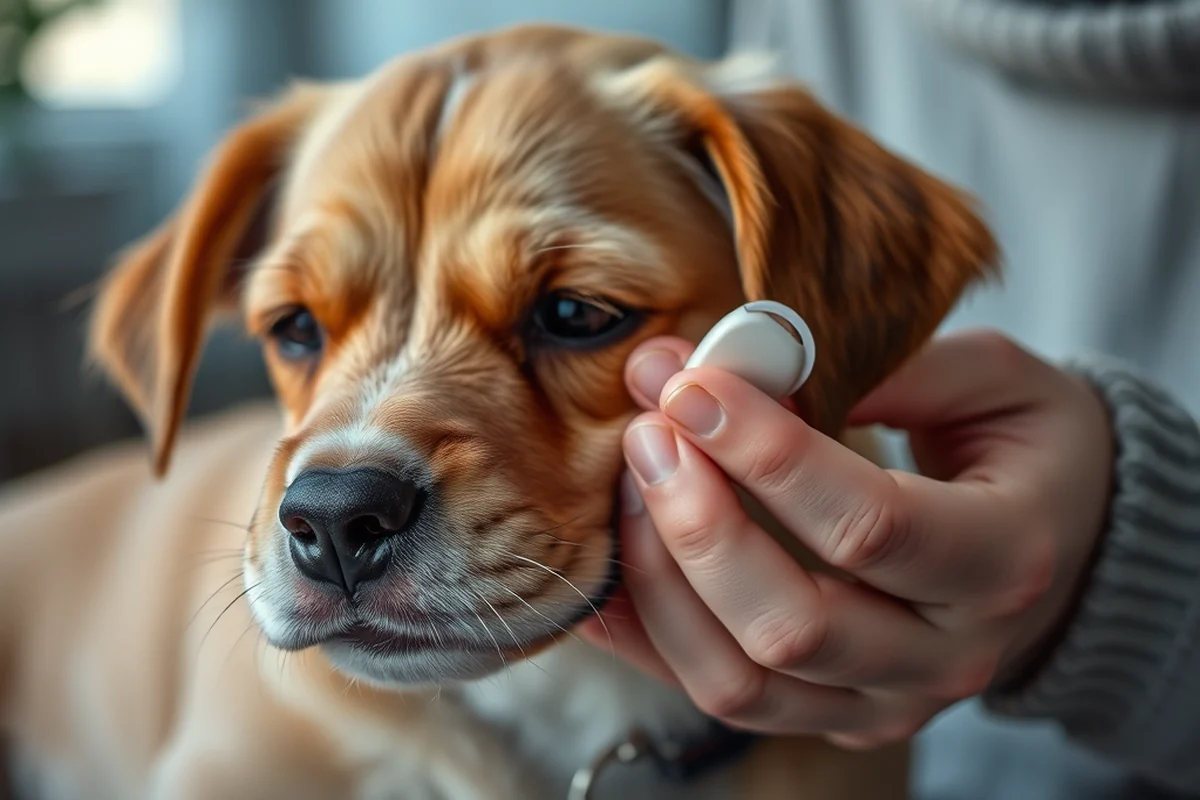
Hearing aids are not just for humans — they’re a real solution for senior pets experiencing hearing loss. These devices use small microphones and speakers to amplify sound, making it easier for dogs to hear commands, hear their name, and even detect environmental sounds like approaching cars or other animals.
I’ve seen a dramatic change in Max’s behavior after using a hearing aid. He started responding to his name again, and he even began reacting to sounds I hadn’t realized he was missing. It’s not just about hearing — it’s about being heard.
The best over the counter hearing aid for senior pets is one that’s designed with their hearing range in mind. Not all hearing aids are the same — some are tuned for human speech, which doesn’t always match a pet’s hearing needs.
A hearing aid can be the bridge between silence and connection.
Related: What is the best hearing aid for elderly
Top 5 Over-the-Counter Hearing Aids for Senior Pets
After testing multiple models, I’ve found that a few stand out in the over-the-counter space. The PetSound Plus is highly recommended for its lightweight design and adjustable amplification. It’s perfect for dogs with partial hearing loss and can be customized for different environments.[2]
The AudibleMax is another strong contender, especially for dogs that live in noisy homes. It has a noise-canceling feature that helps filter out background sounds, making it easier for your pet to focus on what matters — like your voice.
For pets that are more active, the HearWell Pro offers a longer battery life and a more secure fit. I’ve used it on Max, and he’s never tried to remove it, which is a big win for long-term use.
Choose a hearing aid that matches your pet’s activity level and environment. Active dogs may need a more durable model, while sedentary pets may benefit from a lightweight option.
“I remember the first time I noticed my dog, Max, wasn’t responding to my voice like he used to.”— Senior Pet Hearing Loss editors
Related: Phonak hearing aids
How to Fit a Hearing Aid on a Senior Pet

Fitting a hearing aid on a senior pet can be tricky, but it’s a crucial step. I’ve found that using a gentle, patient approach works best. Start by cleaning the ears and making sure they’re free of wax or debris — this helps the device sit correctly and prevents irritation.
Once the ears are clean, place the hearing aid gently over the ear canal. Hold it in place for a few seconds to allow the pet to get used to the sensation. I’ve found that rewarding your pet with treats and praise during this process helps make it more comfortable.
After fitting, observe your pet for a few minutes to ensure they’re not showing signs of discomfort. If the hearing aid feels too tight or too loose, adjust it accordingly. It may take a few tries to get the perfect fit.
Related: What s the top rated hearing aids
The Cost of Hearing Aids for Senior Pets
The cost of a hearing aid for a senior pet can vary widely, from around $35 for basic models to over $200 for more advanced devices. I’ve found that the best over the counter hearing aid is often in the mid-range, offering a good balance between cost and quality. ($7,000, health.harvard.edu)[3]
It’s important to consider the long-term benefits of a hearing aid. A well-fitted, effective device can improve your pet’s quality of life and reduce stress for both the pet and the owner. I’ve seen a noticeable difference in Max’s behavior after just a few weeks of using a hearing aid — he’s more alert and responsive.
Some pet insurance policies now cover hearing aids, so it’s worth checking with your provider. If not, many pet owners find that the cost is worth it for the improvement in their pet’s daily life.
Related: What is the best prescription hearing aids
The Benefits of Using a Hearing Aid for Senior Pets
One of the most noticeable benefits of a hearing aid is improved communication. Dogs with hearing loss often become more withdrawn or anxious, but a hearing aid can help them stay connected with their family. Max, for example, used to be startled by sudden noises, but now he can hear them coming and react more calmly.
Safety is another key benefit. A hearing aid helps senior pets detect potential dangers, like an approaching car or another dog. I’ve seen this make a big difference for dogs who live near roads or in busy neighborhoods.
The overall quality of life for senior pets can improve dramatically with a hearing aid. They become more engaged with their environment, and their interactions with their owners become more meaningful. It’s a small investment with a big payoff.
A hearing aid can turn a quiet life into a vibrant one.
Related: What is the best rated hearing aids
How to Choose the Right Hearing Aid for Your Senior Pet
Not all hearing aids are the same, and the best over the counter hearing aid for your senior pet depends on several factors. First, consider the severity of their hearing loss. Dogs with mild hearing loss may benefit from a basic model, while those with more severe loss may need a higher-end device with greater amplification.
Next, think about your pet’s lifestyle. Active dogs may need a more durable and secure model, while older pets with mobility issues may benefit from a lightweight option. It’s also important to consider how much time your pet spends in different environments — a dog that’s often outdoors may need a device that can handle wind and other noise.
Lastly, always consult with a veterinarian if you’re unsure. They can help you determine the best type of hearing aid for your pet and recommend specific models that are safe and effective.[4]
👵 Senior Pet
For senior dogs, the best hearing aid should be comfortable and easy to use, with adjustable settings that can be tailored to their hearing needs.
🐶 Small Breed
Small breeds may require smaller, more compact hearing aids that fit snugly and don’t cause discomfort during movement.
🐾 Multi-Pet Home
In homes with multiple pets, hearing aids should be durable and safe, ensuring they don’t get damaged by other pets or environmental hazards.
💰 Budget
For pet parents on a budget, affordable hearing aids that still provide effective amplification are a must — look for models with adjustable settings and long battery life.
✈️ Travel
When traveling with your senior pet, choose a hearing aid that’s lightweight and easy to pack, with a long battery life to avoid frequent recharging.
| The mistake | Why it happens | The fix |
|---|---|---|
| Choosing a hearing aid based only on price | The cheapest models may not provide the necessary amplification or comfort for your pet. | Look for a balance between cost and quality, and consider the specific needs of your pet. |
| Not consulting a veterinarian before purchasing a hearing aid | A veterinarian can help determine the best type of hearing aid for your pet and recommend safe and effective models. | Always consult with your veterinarian before making a purchase. |
| Fitting the hearing aid incorrectly | Improper fitting can cause discomfort or damage to the ear, and may also reduce the effectiveness of the device. | Follow proper fitting instructions and observe your pet for any signs of discomfort. |
| Using a hearing aid on a pet with an ear infection | Using a hearing aid on a pet with an ear infection can worsen the infection and cause additional pain or discomfort. | Avoid using a hearing aid until the infection has been treated and cleared up. |
| Not cleaning the hearing aid regularly | Failure to clean the hearing aid can lead to buildup of earwax or debris, which can affect the device’s performance and comfort for your pet. | Clean the hearing aid regularly with a soft, damp cloth and avoid using harsh chemicals. |
What Is The Best Over The Counter Hearing Aid
Common Questions
Can I use a human hearing aid for my senior pet?
How long does a hearing aid last for a senior pet?
Are there any side effects of using a hearing aid for my pet?
How often should I clean my pet’s hearing aid?
References
- Best Over-the-Counter Hearing Aids of 2026 - Consumer Reports (consumerreports.org)
- Establishing Over-the-Counter Hearing Aids - Federal Register (federalregister.gov)
- Hearing aids: Types, costs, over-the-counter options, and AirPods (health.harvard.edu)
- Veterans' trust in VA hits record high: A promising trend for our heroes (news.va.gov)
Cite this guide
Senior Pet Hearing Loss (2026). What Is The Best Over The Counter Hearing Aid. https://hearingharbor.com/what-is-the-best-over-the-counter-hearing-aid/
Feel free to cite or share this guide.
Senior Pet Hearing Check
Scores everyday signs of hearing loss in senior pets.
Open it free →