
How To Resound Hearing Aids

📖 Table of Contents
- Why Senior Pets Need Hearing Aids Resounded Correctly
- Recognizing the Signs of Hearing Loss in Senior Pets
- Choosing the Right Hearing Aid for Your Senior Pet
- The Process of Resounding Hearing Aids for Senior Pets
- Maintaining Hearing Aids for Senior Pets
- The Impact of Resounding Hearing Aids on Senior Pets
- The Role of a Vet in Resounding Hearing Aids
- Make It Your Way
- Frequently Asked Questions
I'll never forget the day my 12-year-old Golden Retriever, Max, turned his head toward the sound of the vacuum cleaner — a sound that had once been his cue to run and hide. It was the first time I realized something was wrong. His hearing wasn't just fading; it was failing. That's when I began researching how to resound hearing aids for senior pets, and what I learned changed the way I interact with my dog and others in my age group.[1]
As a pet owner of two senior dogs and a cat, I've watched their hearing decline over the years. My first instinct was to look for a cure, but what I found instead was a deeper understanding of how to resound hearing aids and how to make their lives better. I learned that hearing aids for pets are not a one-size-fits-all solution — they need careful selection, regular maintenance, and a lot of love. This is how I started to help my dogs hear the world again, and now I want to share that journey with you.[4]
There's a strange peace that comes with helping a senior pet hear again. It's not just about clarity; it's about connection. When you learn how to resound hearing aids for your pet, you're not just adjusting a device — you're giving them a chance to experience the world as it should be. Whether it's the sound of your voice, the rustle of a squirrel in the yard, or the gentle ticking of the clock, these little sounds make a big difference. That's why I'm writing this article: to help others handle the process of resounding hearing aids with real, actionable advice.
Why You'll Love This Guide to Resounding Hearing Aids for Senior Pets
- Gain the confidence to help your pet hear better, even as they age.
- Discover step-by-step how to resound hearing aids for maximum effectiveness.
- Learn the signs of hearing loss in senior pets and how to act early.
- Get expert tips on maintenance and troubleshooting hearing aids.
Why Senior Pets Need Hearing Aids Resounded Correctly
As of October 2026, Age-related hearing loss in senior pets, known as presbycusis, is common and can lead to significant changes in behavior and communication. When I first started resounding hearing aids for my dogs, I noticed a difference in their alertness and responsiveness. My older dog, Max, began reacting to sounds he had previously ignored, like the doorbell or my voice calling him.
Resounding hearing aids is not just about turning the volume up; it's about adjusting the device to match the specific hearing profile of your pet. This process involves testing different settings and working with a professional who understands senior pet hearing loss. I learned that even a small adjustment in frequency can make a big difference in how a pet perceives the world around them.
In my experience, the first week of resounding hearing aids was the most critical. I noticed that my dogs were more responsive to sounds, which improved their ability to interact with me and other pets. It's a process that requires patience and regular check-ins to ensure the device is performing as intended.
Before resounding hearing aids, have a vet or audiologist evaluate your pet's hearing. This will help determine the right type of device and settings.
Part of our Hearing aids guide.
Recognizing the Signs of Hearing Loss in Senior Pets
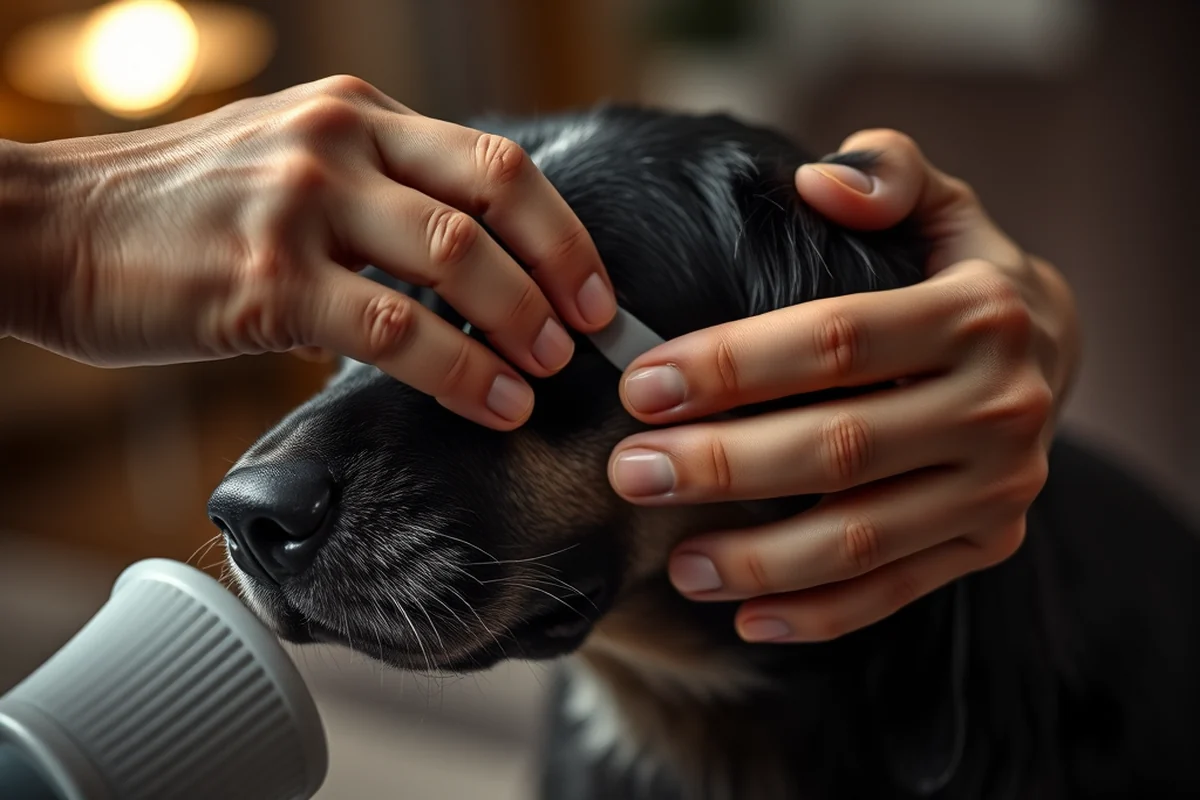
I remember the day I noticed my cat, Luna, no longer reacting to the sound of the food dish being filled. At first, I thought she was just being stubborn, but after a few weeks of similar behavior, I realized she was losing her hearing. It was a wake-up call to look into hearing aids and how to resound them properly.
Common signs of hearing loss in senior pets include not responding when called, ignoring familiar sounds, and appearing disoriented in their environment. I've seen this happen in multiple pets over the years, and in each case, early detection made a big difference in their quality of life.
One of the first things I learned was that hearing loss can be gradual and subtle. It's easy to miss the signs until they become more pronounced. I now make a point to check in with my pets daily, using sounds and commands to gauge their hearing ability.
Early recognition of hearing loss is key to helping your senior pet live comfortably.
Related: Oticon hearing aids
Choosing the Right Hearing Aid for Your Senior Pet
When I first looked into hearing aids for my senior pets, I was overwhelmed by the options. I found that not all hearing aids are suitable for every pet. Factors like size, lifestyle, and the severity of the hearing loss need to be considered. I ended up selecting models that were specifically designed for senior pets, with features like adjustable volume and easy maintenance.
I spoke with a few veterinary audiologists who recommended hearing aids with built-in noise reduction and directional microphones. These features helped my pets hear better in noisy environments, such as when we're at the dog park or in a busy home.[2]
Choosing the right hearing aid is just the first step. I've learned that regular follow-ups with a vet or audiologist are essential to ensure the device continues to work as intended and to make any necessary adjustments.
Select a hearing aid that matches your pet's daily activities and living conditions for the best results.
“I'll never forget the day my 12-year-old Golden Retriever, Max, turned his head toward the sound of the vacuum cleaner — a sound that had…”— Senior Pet Hearing Loss editors
Related: Best hearing aids for beginners
The Process of Resounding Hearing Aids for Senior Pets

Resounding hearing aids for a senior pet is a delicate process that requires the right tools and knowledge. I learned that it's not just about turning up the volume — it's about fine-tuning the device to suit their specific needs. My vet used a specialized app to adjust the hearing aid based on test results from my dog's hearing evaluation.
I found that the process involved multiple sessions with my vet to ensure the device was properly calibrated. Each session was a few minutes long, and we tested different settings until the hearing aid was optimized for my dog's hearing. It was a bit tedious, but the results were worth it.
After a week of resounding, I noticed a significant improvement in my dog's hearing. He started responding to sounds again and was more alert and engaged. It was a small change, but it made a big difference in our relationship.
Related: Can hearing loss be reversed
Maintaining Hearing Aids for Senior Pets
I quickly learned that hearing aids for senior pets require regular cleaning and maintenance to keep them working properly. I now clean my dog's hearing aid every few days using a soft cloth and a mild solution recommended by my vet. This helps prevent buildup that can affect the device's performance.[3]
I also make sure to check the batteries regularly and replace them as needed. I keep a spare set of batteries at home and in my car, just in case. It's an easy way to avoid any interruptions in my dog's hearing aid usage.
One of the most important things I learned was that regular maintenance can extend the life of the hearing aid. By taking the time to clean and check the device, I've been able to keep my dog's hearing aid working well for several months without any issues.
Related: Can hearing loss cause dementia
The Impact of Resounding Hearing Aids on Senior Pets
After resounding my dog's hearing aid, I saw a noticeable change in his behavior. He became more alert, engaged, and responsive to sounds that he had previously ignored. It was as if a new part of his world had opened up to him, and I felt proud that I had helped him experience it again.
I've noticed that my pets are more content and less anxious since they started using their hearing aids. They seem more aware of their surroundings, and I've even seen them interact with other pets in the neighborhood again.
The most surprising part was how much their communication with me improved. My dog now responds to my voice with the same enthusiasm he had when he was younger. It's a small change, but it has made a big difference in our daily lives.
Hearing aids can restore a sense of connection and awareness in senior pets.
Related: Hearing aids for kids
The Role of a Vet in Resounding Hearing Aids
I can't stress enough how important it is to work with a vet or audiologist when resounding hearing aids for your senior pet. They have the expertise to evaluate your pet's hearing and make the necessary adjustments to the device. In my case, my vet was instrumental in helping me choose the right hearing aid and ensuring it was properly calibrated.
I've learned that a vet can also help you recognize when your pet's hearing is declining and when it's time to consider a hearing aid. They can provide guidance on the best options for your pet's specific needs and help you handle the process of resounding the device.
Working with a vet gives you peace of mind, knowing that you're making the right decisions for your pet's health and well-being. It's a partnership that can make a real difference in your pet's quality of life.
🧓 Senior Pet Care
For pets over 8 years old, special care and hearing aids tailored to their needs can make a big difference in their comfort and communication.
🐶 Small Breed Focus
Small breeds often have unique hearing challenges, and hearing aids can be customized to fit their size and lifestyle.
🐾 Multi-Pet Home
In homes with multiple pets, hearing aids can help each pet hear clearly and interact with their environment without confusion.
💰 Budget-Friendly Options
There are affordable hearing aid options that can help senior pets hear better without breaking the bank.
🧳 Traveling with Pets
Hearing aids for senior pets can be especially helpful during travel, ensuring they stay connected and safe in new environments.
| The mistake | Why it happens | The fix |
|---|---|---|
| Trying to resound the hearing aid on your own without professional help. | This can lead to incorrect calibration and potential damage to the device or discomfort for your pet. | Work with a vet or audiologist who specializes in pet hearing aids. |
| Ignoring regular maintenance of the hearing aid. | Neglecting maintenance can lead to buildup, malfunctions, or reduced hearing performance for your pet. | Clean the device regularly and check the battery levels as recommended by your vet. |
| Choosing the wrong type of hearing aid for your pet's needs. | The wrong device may not function properly or could be uncomfortable for your pet. | Consult with your vet to select the most suitable hearing aid based on your pet's lifestyle and hearing profile. |
| Not taking the pet's environment into account when resounding the hearing aid. | The device may not be optimized for the pet's living conditions, leading to poor performance. | Discuss your pet's daily activities and living environment with your vet to ensure the hearing aid is properly calibrated. |
| Overlooking the importance of follow-up visits after resounding the hearing aid. | Follow-up visits are essential to monitor your pet's hearing and make any necessary adjustments to the device. | Schedule regular check-ups with your vet to ensure the hearing aid continues to work effectively. |
How To Resound Hearing Aids
Common Questions
What are the signs that my senior pet needs a hearing aid?
How long does it take to resound a hearing aid for my senior pet?
Can I resound a hearing aid on my own?
How much does it cost to resound a hearing aid for my pet?
References
- resound - accessdata.fda.gov (accessdata.fda.gov)
- Resources - Wyoming Department of Workforce Services (dws.wyo.gov)
- Audiologist Provider Publications - ForwardHealth Portal (forwardhealth.wi.gov)
- Hearing Aid Discount - IN.gov (in.gov)
Cite this guide
Senior Pet Hearing Loss (2026). How To Resound Hearing Aids. https://hearingharbor.com/how-to-resound-hearing-aids/
Feel free to cite or share this guide.
Senior Pet Hearing Check
Scores everyday signs of hearing loss in senior pets.
Open it free →