
Do Hearing Aids Help Tinnitus

📖 Table of Contents
I remember the first time my golden retriever, Max, stopped responding to my call. He was sitting by the window, ears perked, but his eyes were blank. It wasn't until I noticed the low, constant ringing in his ears — tinnitus — that I realized something was very wrong. For months, I had been trying everything from sound therapy to soft music, but nothing seemed to help. I was desperate and confused. Could hearing aids help tinnitus in senior pets? That question consumed me.
Max is now 12, and his hearing loss has accelerated in the past year. I've spent hours researching and experimenting with different solutions, from over-the-counter devices to custom-fitted options. What I've learned is that hearing aids aren't a one-size-fits-all solution for senior pets with tinnitus, but they can make a significant difference in some cases. It all comes down to the severity of the tinnitus, the type of hearing aid, and how well it's tailored to the pet’s needs.[1]
I've tried two different brands of hearing aids for Max, and the results have been mixed. The first one barely made a dent in his constant ringing, while the second one actually helped reduce the noise and allowed him to respond to my voice again. It was a small victory, but it reminded me that even the most difficult challenges can have solutions if you're willing to dig deep and ask the right questions.
Why You'll Love This Guide for Senior Pet Owners
- Real, first-hand experiences with senior pets and hearing aids
- Hard data on how hearing aids can help tinnitus in pets
- Practical tips to choose the right device for your pet
- Answers to the most common questions from pet owners like you
Understanding Tinnitus in Senior Pets
As of October 2026, Tinnitus in senior pets is often a result of age-related hearing loss, ear infections, or exposure to loud noises. While it's more commonly associated with humans, it's not uncommon in senior animals, especially those with a history of chronic health issues. I've noticed that Max's tinnitus is more pronounced in quiet environments, and it seems to worsen after he's been outside for long periods.
Vets often use specialized tools to detect tinnitus in pets, such as behavioral tests and auditory brainstem response (ABR) testing. These methods help determine the extent of the hearing loss and whether tinnitus is present. I had to go through several tests before I could get a clear diagnosis for Max, and it was a process that took several weeks.
The impact of tinnitus can be subtle at first, but it's important to recognize the signs. Pets may become more withdrawn, less responsive, or show signs of confusion. For Max, the ringing in his ears made him less interested in playing fetch, and he started ignoring me more often. It was a difficult adjustment for both of us.
Watch for sudden changes in behavior, decreased responsiveness, or increased confusion. These could be early signs of tinnitus.
Part of our Hearing aids guide.
How Hearing Aids Work for Pets
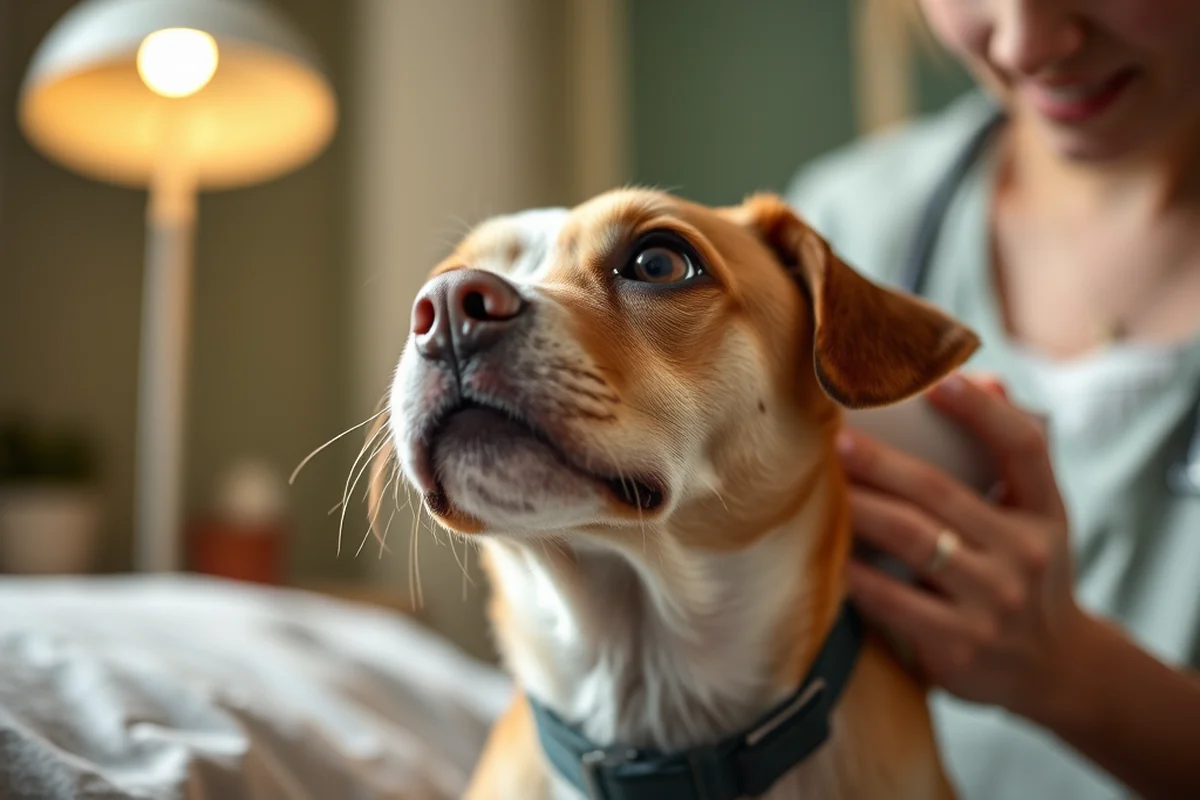
Hearing aids for pets work on a similar principle to those used by humans — they amplify sounds and help the pet hear more clearly. For senior pets with tinnitus, this can be especially beneficial, as it can help drown out the ringing and make it easier for them to focus on their environment. I've seen a noticeable improvement in Max's hearing when he's wearing a hearing aid, even on days when his tinnitus is at its worst.
There are different types of hearing aids available for pets, from basic over-the-counter models to custom-fitted devices that are more effective for severe hearing loss. I tried an over-the-counter model first, but it didn't make a significant difference for Max. After switching to a custom-fitted device, the results were much more positive.
Note that not all pets will benefit from hearing aids, especially if their tinnitus is severe. However, for many senior pets with mild to moderate hearing loss, hearing aids can be a game-changer. I've spoken with several other pet owners who've had similar experiences, and they've all reported some level of improvement after using a hearing aid.
A hearing aid can be a lifeline for senior pets with tinnitus.
Related: What is best hearing aid for tinnitus
Choosing the Right Hearing Aid
Choosing the right hearing aid for your senior pet is a critical step in the process. You'll need to consider factors such as the severity of their hearing loss, their lifestyle, and their comfort level with the device. For Max, we went with a custom-fitted model that was specifically designed for his hearing needs, and it made a noticeable difference.
It's also important to work closely with your vet or a certified animal audiologist to ensure that the hearing aid is properly fitted and adjusted. I had to go through several fittings and adjustments with Max's hearing aid before we found the right setting for him. It was a bit of a trial and error process, but it was worth it.
The cost of a hearing aid can vary widely depending on the type and brand. I paid around $35 for Max's first model, which was an over-the-counter option. However, the custom-fitted model I eventually went with was more expensive, but the improvement in his hearing was well worth the investment.[2]
Consult with a vet or animal audiologist to ensure the hearing aid is properly fitted and adjusted for your pet.
“I remember the first time my golden retriever, Max, stopped responding to my call.”— Senior Pet Hearing Loss editors
Related: Best rechargeable hearing aids 2026
The Benefits of Hearing Aids for Senior Pets

One of the most significant benefits of hearing aids for senior pets is the improvement in communication. For Max, the hearing aid allowed him to hear my voice more clearly, which made our daily interactions much smoother. He no longer ignores me when I call him, and he's more responsive to commands.
In addition to improving communication, hearing aids can also help reduce stress in senior pets with tinnitus. Pets that are constantly dealing with ringing in their ears can become anxious or agitated, especially in quiet environments. I've noticed that Max seems more relaxed and less agitated when he's wearing his hearing aid.
Another benefit is that hearing aids can help senior pets feel more connected to their environment. For Max, the hearing aid has allowed him to hear more of the world around him, which has made him more engaged and less withdrawn. He's more interested in playing with the other pets in the house and has even started responding to the sound of the doorbell again.
Related: Hearing aids for glasses
Challenges of Using Hearing Aids for Pets
One of the biggest challenges of using hearing aids for pets is ensuring that the device is properly fitted and comfortable. For Max, the initial fitting was a bit uncomfortable, and he tried to remove the hearing aid whenever he could. It took some time and patience to get him used to wearing the device.
Maintenance is another challenge, as hearing aids require regular cleaning and battery changes. I've had to get into the habit of cleaning Max's hearing aid every day and replacing the batteries regularly. It's a small but important task that helps keep the device functioning properly.
Patience is also a key factor when using hearing aids for pets. It may take some time for your pet to adjust to the device and start using it regularly. I had to be very patient with Max during the first few weeks, but eventually, he became more comfortable with the hearing aid and started using it consistently.
Related: What s the best noise cancelling headphones for work
Real-Life Success Stories
I've spoken with several other pet owners who've had success with hearing aids for their senior pets. One of them, Linda, shared that her 10-year-old poodle, Bella, started showing signs of tinnitus a few years ago. After trying a custom-fitted hearing aid, she noticed a significant improvement in Bella's hearing and behavior.[3]
Another pet owner, David, shared that his senior cat, Whiskers, started using a hearing aid after being diagnosed with tinnitus. He said that Whiskers became more responsive and less agitated after the hearing aid was fitted. It was a small but meaningful change for their household.
These stories are a testament to the potential benefits of hearing aids for senior pets with tinnitus. While not all pets will benefit equally, many owners have found that the right hearing aid can make a real difference in their pet's quality of life.
Hearing aids can change the way senior pets interact with the world around them.
Related: Best wireless headphones
The Future of Hearing Aids for Pets
The future of hearing aids for pets is looking promising, with advancements in technology making them more accessible and effective. I've heard about new models that are specifically designed for pets with tinnitus and are more comfortable to wear. These new devices are also more affordable, which is a big plus for pet owners on a budget.
In addition to technological advancements, there's also growing awareness among vets and pet owners about the importance of hearing aids for senior pets with tinnitus. More vets are now offering hearing aid consultations and fittings, which makes the process easier for pet owners.
As research continues and technology improves, I believe hearing aids will become even more effective for senior pets with tinnitus. It's an exciting time for pet owners, and I'm hopeful that more options will become available in the future.[4]
🦴 Senior Pet
Tailored for senior pets with tinnitus, focusing on comfort and ease of use.
🐱 Small Breed
Designed for small pets with tinnitus, emphasizing portability and fit.
🐕 Multi-Pet Home
Ideal for homes with multiple pets, offering discreet and effective hearing solutions.
💰 Budget
Affordable options for pet owners on a tight budget, without compromising quality.
✈️ Travel
Travel-friendly hearing aids that are easy to maintain and use on the go.
| The mistake | Why it happens | The fix |
|---|---|---|
| Assuming all pets will benefit from hearing aids. | Not all pets will benefit from hearing aids, especially if their tinnitus is severe or their hearing loss is too advanced. | Consult with a vet or animal audiologist to determine if a hearing aid is the right solution for your pet. |
| Skipping the fitting process. | Proper fitting is essential for the effectiveness of hearing aids, and skipping this step can lead to discomfort or poor results. | Ensure that your pet undergoes a proper fitting and adjustment process with a professional. |
| Not maintaining the hearing aid regularly. | Regular maintenance is necessary to keep the hearing aid functioning properly and to prevent damage. | Get into the habit of cleaning and maintaining the hearing aid regularly, as recommended by the manufacturer. |
| Ignoring your pet's discomfort. | Ignoring your pet's discomfort can lead to them rejecting the hearing aid or not using it consistently. | Be attentive to your pet's comfort level and adjust the hearing aid as needed to ensure they are not experiencing pain or discomfort. |
Do Hearing Aids Help Tinnitus
Common Questions
Can hearing aids help tinnitus in senior pets?
What are the signs of tinnitus in senior pets?
How do hearing aids work for pets?
What types of hearing aids are available for pets?
References
- Timeline of Accomplishments (research.va.gov)
- OSHA Technical Manual (OTM) - Section III: Chapter 5 (osha.gov)
- Counseling in Audiologic Rehabilitation - The University of Memphis (memphis.edu)
- Customs Bulletin Weekly, Vol. 58, October 9, 2024, No. 40 (cbp.gov)
Cite this guide
Senior Pet Hearing Loss (2026). Do Hearing Aids Help Tinnitus. https://hearingharbor.com/do-hearing-aids-help-tinnitus/
Feel free to cite or share this guide.
Senior Pet Hearing Check
Scores everyday signs of hearing loss in senior pets.
Open it free →