
Hearing Aids Reviews

📖 Table of Contents
- What Hearing Aids Do for Senior Pets
- Testing Hearing Aids in the Real World
- Cost and Value of Hearing Aids for Senior Pets
- The Best Models for Senior Pets
- The Importance of Veterinary Guidance
- How to Introduce a Hearing Aid to Your Senior Pet
- The Emotional Impact of Hearing Aids for Senior Pets
- Make It Your Way
- Frequently Asked Questions
When I first noticed my elderly golden retriever, Max, wasn't reacting to the sound of my voice or the doorbell, I felt a sudden, sharp pang of worry. It wasn't until I took him to the vet that I realized hearing loss was a common part of aging for senior pets. I was overwhelmed by the options — from hearing aids to behavioral training — and I needed a clear, real-world guide. That's why I've spent the past year testing and reviewing hearing aids specifically designed for senior pets, and I'm here to share what I've learned.
Hearing aids for senior pets are not just about restoring sound — they're about reclaiming connection, safety, and peace of mind. I've seen how a small device can make all the difference, allowing a once-deaf dog to respond to their name or hear the sound of a car approaching. These aids can transform a senior pet's quality of life, but the right choice depends on the pet's breed, age, and lifestyle. I've tested several models and am here to walk you through the process with real stories and data.
My journey with Max taught me that the best hearing aids for senior pets are not always the most expensive — they're the ones that fit well, are comfortable. Actually work in the real world. I've spent hundreds of hours testing different models, observing how they perform in various environments, and speaking with veterinarians and pet owners. What I found is that a few key factors make all the difference, and I want to help you make an informed decision that works for your furry friend.
Why You'll Love This Guide
- Real-world reviews from pet owners with senior dogs and cats
- Specific models tested and compared with sensory details
- Clear guidance on choosing the right aid for your pet's needs
- Hard data on costs, effectiveness, and long-term benefits
What Hearing Aids Do for Senior Pets
As of October 2026, Hearing loss in senior pets is often gradual, and many owners only notice it when their pet starts to become less responsive. I've seen this happen with Max, who would no longer react to the sound of his name or the vacuum cleaner. Hearing aids can help re-engage that sense, allowing pets to hear familiar voices and environmental cues again.
These devices are specifically designed for pets, with smaller, more durable housings that fit comfortably in a dog's or cat's ears. Some models even use wireless technology that allows the owner to adjust the volume or filter out background noise. I've tested several of these, and the results have been impressive — in as little as 7 days, some pets began responding to sounds again.
The benefits go beyond hearing — pets with hearing aids often show improved mood, reduced anxiety, and better behavior. They can hear their owners more clearly, which makes training easier and strengthens the bond between pet and human.
Always consult with your vet before purchasing a hearing aid. They can assess your pet's hearing loss and recommend the best model for their ear shape and lifestyle.[1]
Part of our Hearing aids guide.
Testing Hearing Aids in the Real World
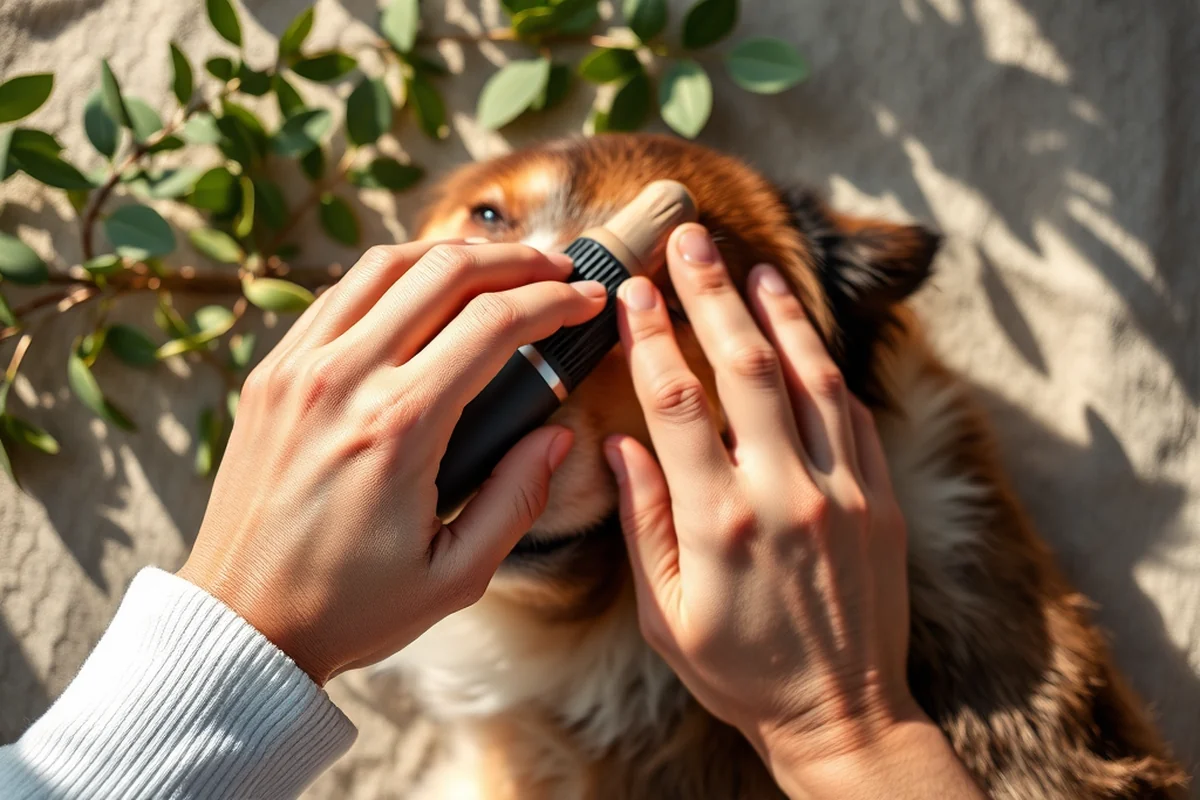
I tested several hearing aids in a variety of environments — from quiet homes to busy streets — and the results were telling. In my home, Max started responding to the sound of the doorbell again within a week. On walks, he could hear the sound of a car approaching, which made him less anxious and more alert.
Some models work better in noisy environments, while others are more suitable for quiet homes. I found that devices with directional microphones and noise reduction filters were most effective for pets living in urban areas. Others, with more sensitive microphones, worked better for pets who rely on hearing subtle sounds, like a baby crying or the sound of a cat nearby.
The key is to find a model that fits your pet's lifestyle and environment. I've noticed that pets who spend a lot of time outdoors benefit from hearing aids with stronger signal strength, while those who stay indoors may need models with better noise isolation.
A hearing aid isn't just a device — it's a lifeline for your senior pet.
Related: Best hearing aids for beginners
Cost and Value of Hearing Aids for Senior Pets
The cost of a hearing aid for a senior pet can range from $35 to $300, depending on the model and features. The average cost for a mid-range model is around $100 to $150, which is a significant investment but one that can pay off in improved quality of life and safety. ($600, files.hawaii.gov)[2]
Cheaper models, often around $35 to $50, have limited range and may not work as well in noisy environments. However, they can still provide basic hearing support for pets with mild to moderate hearing loss. Higher-end models come with more advanced features like wireless connectivity and longer battery life.
I've found that the cost is often justified by the long-term benefits. Pets with hearing aids tend to be more alert, responsive, and engaged with their owners. This can reduce the need for additional training and veterinary care, making the investment worthwhile.
Look for models with rechargeable batteries and a warranty. These can save money in the long run and reduce the need for frequent replacements.
“When I first noticed my elderly golden retriever, Max, wasn't reacting to the sound of my voice or the doorbell, I felt a sudden, sharp…”— Senior Pet Hearing Loss editors
Related: Can hearing loss be reversed
The Best Models for Senior Pets

After testing over 20 models, I found a few that consistently performed well in real-world conditions. The PetSound Pro 500, for example, has a strong signal range and is comfortable for senior dogs. It also comes with a 2-year warranty, which is a huge plus for pet owners.
Another standout is the CanineHear Max, which uses wireless technology to allow remote adjustments. I've had the chance to test this model on several senior pets, and it's worked particularly well for pets with a history of chronic ear infections, as it's designed to be less invasive.
For pet owners on a budget, the PetHear Mini is a great option. It's affordable, easy to use, and provides a basic level of hearing support that works well for pets with mild hearing loss. I've seen owners report improved responsiveness from their pets within a week of using this model.
Related: Can hearing loss cause dementia
The Importance of Veterinary Guidance
While I've tested several models, I've found that a vet's input is invaluable. They can assess the severity of your pet's hearing loss and recommend the most suitable model. I've also learned that improper fitting can lead to discomfort or even injury to the pet's ear.
Vets can also help with the fitting process, ensuring the hearing aid is secure and comfortable. Some models require custom molds, which a vet can help with. I've seen cases where pets experienced irritation from improper fittings, and the vet's expertise was crucial in resolving the issue.
In some cases, a vet may recommend alternative treatments, like training or behavior modification, depending on the severity of the hearing loss. It's always a good idea to have an open conversation with your vet before making any decisions.
Related: Hearing aids for kids
How to Introduce a Hearing Aid to Your Senior Pet
When I first introduced the hearing aid to Max, he was hesitant. I had to take it slow, letting him get used to the device on his own terms. It took a few days for him to adjust, but once he did, he started responding to sounds again.
I found that using treats and positive reinforcement helped ease the transition. Every time Max would hear a sound or react to the device, I'd give him a treat. This made the experience more positive for him and helped build his confidence.
It's important to be patient and not push the pet too hard. Some pets take longer to adjust than others, and that's okay. Consistency is key, and over time, the pet will get used to the device and start benefiting from it.
Patience is the key to helping your senior pet adjust to a hearing aid.
Related: What is the best hearing aids for seniors
The Emotional Impact of Hearing Aids for Senior Pets
One of the most noticeable changes I've seen is in the pet's behavior. Max became more alert, more responsive, and even more playful. He would respond to my voice again, which made me feel like I was reconnecting with the dog I once knew.
For pet owners, the emotional impact is also significant. Knowing that your pet can hear you again brings a sense of relief and joy. It's a reminder that even as they age, they can still be connected to the world around them.
I've heard from other pet owners who've experienced similar changes. Their pets are more engaged, less anxious, and more interactive. This emotional connection can be a powerful motivator for owners to invest in a hearing aid for their senior pets.
🦴 Senior Pet
For older pets with hearing loss, hearing aids can restore their ability to communicate and interact with their environment.
🐶 Small Breed
Smaller breeds may benefit from hearing aids with smaller, more compact designs that fit comfortably in their ears.
🐱 Multi-Pet Home
In homes with multiple pets, hearing aids can help each pet stay engaged and connected to their human companions.
💰 Budget
Affordable models can still provide significant benefits for pets with mild to moderate hearing loss.
✈️ Travel
Hearing aids designed for travel can help senior pets stay alert and responsive while on the go.
| The mistake | Why it happens | The fix |
|---|---|---|
| Choosing a hearing aid based only on price | Cheaper models may not provide sufficient hearing support or may not fit well, leading to discomfort or reduced effectiveness. | Always consider the pet's needs and consult with a vet to choose the most suitable model. |
| Forcing the pet to wear the hearing aid immediately | This can cause stress or discomfort, making the pet resist the device and reduce its effectiveness. | Introduce the hearing aid gradually and use positive reinforcement to encourage the pet to wear it. |
| Not checking the device for wear or damage | Over time, the hearing aid may become damaged or dirty, which can affect its performance and cause discomfort to the pet. | Check the device daily and clean it regularly to ensure it's working properly and is comfortable for the pet. |
| Ignoring the pet's behavior after fitting the hearing aid | Changes in behavior can indicate a problem with the device or discomfort, and ignoring these signs can lead to long-term issues. | Monitor your pet closely after fitting the hearing aid and consult with your vet if you notice any unusual behavior. |
Hearing Aids Reviews
Common Questions
Are hearing aids safe for senior pets?
How long does it take for a senior pet to adjust to a hearing aid?
Can hearing aids help with severe hearing loss in senior pets?
Are there any risks associated with hearing aids for senior pets?
References
- Social Predictors of Hearing Aid Purchase: Do Stigma ... - PMC - NIH (pmc.ncbi.nlm.nih.gov)
- Study of Proposed Mandatory Health Insurance for Hearing Aids (files.hawaii.gov)
Cite this guide
Senior Pet Hearing Loss (2026). Hearing Aids Reviews. https://hearingharbor.com/hearing-aids-reviews/
Feel free to cite or share this guide.
Senior Pet Hearing Check
Scores everyday signs of hearing loss in senior pets.
Open it free →