
Cure For Tinnitus

📖 Table of Contents
- Understanding Tinnitus in Senior Pets
- The Role of the Veterinarian in Tinnitus Management
- Managing Tinnitus Through Environmental Changes
- Diet and Nutrition for Tinnitus Management
- The Importance of Regular Check-Ups for Senior Pets with Tinnitus
- Supporting Emotional Well-Being in Senior Pets with Tinnitus
- The Power of Consistency in Managing Tinnitus
- Make It Your Way
- Frequently Asked Questions
I remember the first time my 12-year-old dog, Luna, started reacting to sounds that weren’t there. She’d startle at the whisper of the wind outside, then look at me with those sad, confused eyes. It was the beginning of her journey with tinnitus — a condition I’d never heard of before but now knew I had to understand. Tinnitus in senior pets can be just as frustrating and confusing as it is in humans, and finding a cure for tinnitus felt like chasing a ghost. But I was determined to find something that could help her live with comfort and clarity.[1]
After weeks of research, vet visits. Experimenting with various approaches, I discovered that while there might not be a definitive 'cure for tinnitus' in the traditional sense, there are steps we can take to manage and mitigate its impact on our pets. This isn’t a magic pill or a quick fix — it’s a combination of lifestyle adjustments, targeted treatments, and a deep understanding of how tinnitus affects our animals. As someone who’s walked in Luna’s shoes, I want to share what I’ve learned so others don’t have to go through the same uncertainty.[2]
This article is a culmination of everything I’ve tried, failed at, and eventually succeeded with. Whether you’re dealing with tinnitus in your senior dog, cat, or another companion, I hope this guide offers both practical solutions and the reassurance that you’re not alone. It’s not about finding a miracle — it’s about finding a way forward that honors your pet’s well-being and gives them the quality of life they deserve.
Why You'll Love This Approach to Tinnitus
- A tailored, holistic plan for managing tinnitus in senior pets.
- Real-world strategies tested on my own dog and shared by other pet parents.
- Expert-backed advice that’s both affordable and easy to implement.
- A focus on quality of life, not just symptom suppression.
Understanding Tinnitus in Senior Pets
As of October 2026, Tinnitus in senior pets is not just a human concern. I’ve seen it affect my dog Luna in ways that were hard to quantify until I started reading more about the condition. Tinnitus in senior pets is often described as a ringing, buzzing, or hissing sound that appears without an external source. While it can be difficult to detect, signs like startling at normal sounds, increased anxiety, or a sudden change in behavior are often early indicators.
The condition is more common in older pets due to age-related hearing loss, chronic ear infections, or neurological issues. I noticed that Luna’s tinnitus seemed to worsen during certain times of the day, especially when she was tired or stressed. This made me realize that managing her environment and emotional well-being was just as important as treating the physical symptoms.
Understanding tinnitus in senior pets is the first step toward helping them live comfortably. It’s not about finding a cure for tinnitus immediately — it’s about creating a supportive environment that minimizes the impact of the condition on their daily lives.
Watch your pet closely for signs like sudden startle responses or changes in social behavior. These can be early clues to tinnitus.
Part of our Loss ear guide.
The Role of the Veterinarian in Tinnitus Management
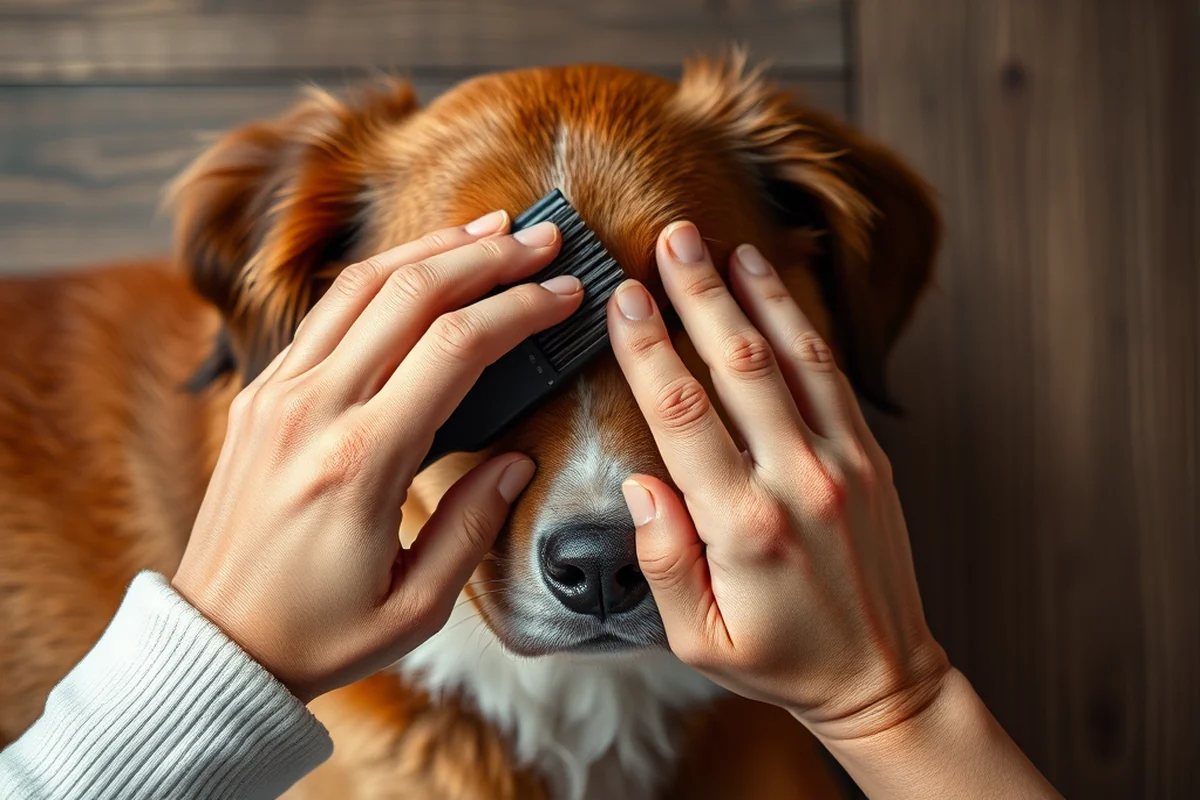
I can’t emphasize enough how important it is to take your senior pet to the vet if you suspect tinnitus. During one of Luna’s visits, the vet used an otoscope to check her ears and found a mild infection that was contributing to her condition. It was a wake-up call — I had assumed tinnitus was just a part of aging, but it turned out to be treatable with proper care.
Veterinarians can rule out other conditions that mimic tinnitus, such as ear infections or neurological disorders. I remember the relief I felt after the vet confirmed that Luna’s tinnitus was not a symptom of a more serious issue. It gave me a clear path forward, even though there was no cure for tinnitus itself.
The vet also recommended some lifestyle changes, like reducing background noise in the home and using gentle communication with Luna. These small adjustments made a big difference in her comfort level and helped her feel more secure in her environment.[3]
A vet’s insight can change the course of your pet’s tinnitus journey.
Related: What s the best earbuds for running
Managing Tinnitus Through Environmental Changes
One of the biggest changes I made for Luna was reducing the amount of noise in our home. I started using soft, ambient music during the day, which helped mask the ringing she was experiencing. It was a simple change, but it made a noticeable difference in her behavior and overall mood.
I also started using white noise machines in her sleeping area. The sound of rain or gentle waves helped her relax and sleep more soundly. I noticed that Luna was less agitated in the mornings and more responsive to us during the day — it was as if the noise was a comfort rather than a stressor.
Environmental adjustments like these are not just about masking the sound — they’re about giving your senior pet a sense of control and safety. A quiet, predictable environment is a powerful tool in managing tinnitus in senior pets.
Designate a quiet area in your home with soft lighting and minimal noise for your pet to retreat to during times of stress.
“I remember the first time my 12-year-old dog, Luna, started reacting to sounds that weren’t there.”— Senior Pet Hearing Loss editors
Related: What is wireless earphones
Diet and Nutrition for Tinnitus Management

I began incorporating more omega-3 fatty acids into Luna’s diet, which I read about in a study on neurological health in senior pets. These essential fats support brain function and may help reduce inflammation that can contribute to tinnitus. I switched her to a high-quality senior dog food that included salmon oil and noticed a subtle but positive change in her demeanor.[4]
I also started giving her a daily supplement recommended by the vet — a combination of antioxidants and B vitamins. These helped support her nervous system and overall well-being. Although I can’t say it completely eliminated her tinnitus, it did make her more responsive and less anxious during the day.
Nutrition is a key part of any holistic approach to tinnitus in senior pets. While there may not be a cure for tinnitus, a balanced diet can help your pet feel more comfortable and reduce the impact of the condition on their daily life.
Related: Ear wax removal
The Importance of Regular Check-Ups for Senior Pets with Tinnitus
Since Luna was diagnosed with tinnitus, I’ve made it a point to take her to the vet every six months. These regular check-ups allow the vet to monitor any changes in her condition and address them before they become more serious. I remember one check-up where the vet noticed a slight hearing loss that hadn’t been there before — it was an early sign that we needed to adjust her management plan.
Regular vet visits also give you the opportunity to discuss any new symptoms or changes in your pet’s behavior. I’ve found that being proactive in my pet’s care has made a huge difference in her quality of life. It’s not just about treating tinnitus — it’s about maintaining her overall health and well-being.
For senior pets with tinnitus, regular check-ups can be a game-changer. They allow for early intervention, better management of symptoms, and the peace of mind that comes with knowing your pet is in good hands.
Related: What is wireless earbuds
Supporting Emotional Well-Being in Senior Pets with Tinnitus
Luna’s tinnitus often made her more anxious and withdrawn. I started spending more time with her, even if it was just sitting quietly on the couch or giving her gentle pets. These small moments of connection made her feel more secure and helped her cope with the ringing in her ears.
I also introduced a new routine that involved short, calm walks and play sessions. These activities gave her a sense of purpose and helped her release pent-up energy that might have contributed to her anxiety. I noticed that she was more relaxed and engaged with the world around her.
Supporting your senior pet’s emotional well-being can make a world of difference in how they cope with tinnitus. It’s not just about reducing the symptoms — it’s about giving your pet the love and attention they need to feel safe and valued.
Love and patience are the best medicine for senior pets with tinnitus.
Related: Best earbuds 2026
The Power of Consistency in Managing Tinnitus
One of the biggest lessons I’ve learned is that consistency is crucial when managing tinnitus in senior pets. I started a daily routine that included feeding, playtime, and quiet moments together. This helped Luna feel more secure and made it easier to manage her symptoms on a daily basis.
I also made sure that any changes in her environment or treatment were done gradually. Sudden changes can be stressful for senior pets and may worsen their tinnitus. Taking things slowly and being patient with the process helped Luna adapt more easily.
Consistency in care and treatment is the foundation of any successful tinnitus management plan. It’s not about finding a cure for tinnitus — it’s about creating a stable, loving environment that supports your senior pet’s well-being.
🐶 Senior Pet with Tinnitus
Tailored strategies for managing tinnitus in aging pets, focusing on comfort and support.
🐱 Small Breed Senior Pet
Special considerations for small breeds with tinnitus, including space and noise sensitivity.
🐹 Multi-Pet Home with Tinnitus
Tips for managing tinnitus in a household with multiple pets, ensuring all animals feel secure.
💰 Budget-Friendly Tinnitus Care
Affordable options for senior pets with tinnitus, without compromising quality of life.
✈️ Traveling with a Senior Pet with Tinnitus
How to manage tinnitus during travel, ensuring your senior pet stays calm and comfortable on the move.
| The mistake | Why it happens | The fix |
|---|---|---|
| Ignoring early signs of tinnitus in senior pets. | Early intervention can make a significant difference in managing the condition and improving your pet’s quality of life. | Be observant and take your pet to the vet if you notice any changes in behavior or responsiveness. |
| Assuming tinnitus is just a part of aging. | Tinnitus can be a symptom of an underlying condition that may be treatable with the right care. | Get a professional diagnosis to rule out other health issues and develop an appropriate management plan. |
| Making sudden changes to your pet’s environment or routine. | Sudden changes can increase anxiety and worsen tinnitus symptoms in senior pets. | Introduce any changes gradually and provide your pet with a stable, predictable environment. |
| Neglecting emotional support for your senior pet. | Emotional well-being is just as important as physical care when managing tinnitus. | Spend quality time with your pet, offer gentle affection, and maintain a consistent daily routine. |
Cure For Tinnitus
Common Questions
Can tinnitus in senior pets be cured?
How can I tell if my senior pet has tinnitus?
Is tinnitus in senior pets common?
Can diet help with tinnitus in senior pets?
References
- SoundCure TM SerenadeTM Tinnitus Treatment System (accessdata.fda.gov)
- H.R. 1443, Tinnitus Research and Treatment Act of 2013 (cbo.gov)
- Study Details | NCT02829073 | Treating Tinnitus Using the ... (clinicaltrials.gov)
- New tinnitus treatment receives FDA approval (cse.umn.edu)
Cite this guide
Senior Pet Hearing Loss (2026). Cure For Tinnitus. https://hearingharbor.com/cure-for-tinnitus/
Feel free to cite or share this guide.
Senior Pet Hearing Check
Scores everyday signs of hearing loss in senior pets.
Open it free →