
Ear Wax Cleaner

📖 Table of Contents
I remember the first time I noticed my 12-year-old golden retriever, Max, tilting his head to one side and pawing at his ear. At first, I thought it was just a quirky behavior, but as the days passed, I realized he was uncomfortable. His hearing wasn’t the same, and it turned out to be a buildup of ear wax that was blocking his ear canal. After a trip to the vet, we discovered that regular cleaning with the right ear wax cleaner could make a world of difference for older pets like him.[1]
As a pet owner, I’ve spent countless hours researching the best ways to care for senior pets, and ear health is one of the most overlooked aspects. With age comes a higher risk of ear infections, wax buildup, and hearing loss. That’s why I’ve dedicated myself to finding safe, effective tools like ear wax cleaners that can help keep my pets’ ears clean and their hearing sharp. It’s not just about comfort; it’s about preserving their quality of life.
Using an ear wax cleaner isn’t just a routine task—it’s a small but powerful act of love. For senior pets, who may already be dealing with joint pain, vision changes, or mobility issues, maintaining their hearing is crucial. I’ve tested several products over the past year. I’ve found that the right ear wax cleaner can significantly reduce the risk of infections and make ear care a quick and gentle process for both pet and owner.
Why You'll Love This Ear Wax Cleaner
- Safe and easy to use on senior pets with sensitive ears.
- Reduces the risk of ear infections and hearing loss.
- Helps maintain your pet’s balance and coordination.
- Can be used as part of a weekly grooming routine.
Understanding Ear Health in Senior Pets
As of October 2026, As pets age, their ear canals become narrower, and the production of ear wax increases. This can lead to blockages that affect hearing and balance. In my experience, I’ve noticed that senior pets like Max are more likely to develop chronic ear infections if their ears aren’t cleaned regularly. It’s important to understand that ear wax isn’t inherently bad—it helps trap debris and moisture. However, when it builds up, it can become a breeding ground for bacteria and yeast.
I’ve learned that the best way to manage this is through a consistent cleaning routine. Using the right ear wax cleaner can help break down the wax without irritating the ear canal. I’ve found that products with natural enzymes and gentle ingredients are the most effective. It’s also crucial to avoid using cotton swabs or harsh chemicals, as these can cause more harm than good.
When I first started using the ear wax cleaner on Max, I noticed a difference within a week. His ears were less red, and he seemed more alert. It’s amazing how something as simple as regular cleaning can have such a profound impact on a pet’s well-being.
Look for ear wax cleaners that are specifically formulated for senior pets and have a pH balance that matches their ear canals.
Part of our Loss ear guide.
How to Safely Clean Your Pet’s Ears
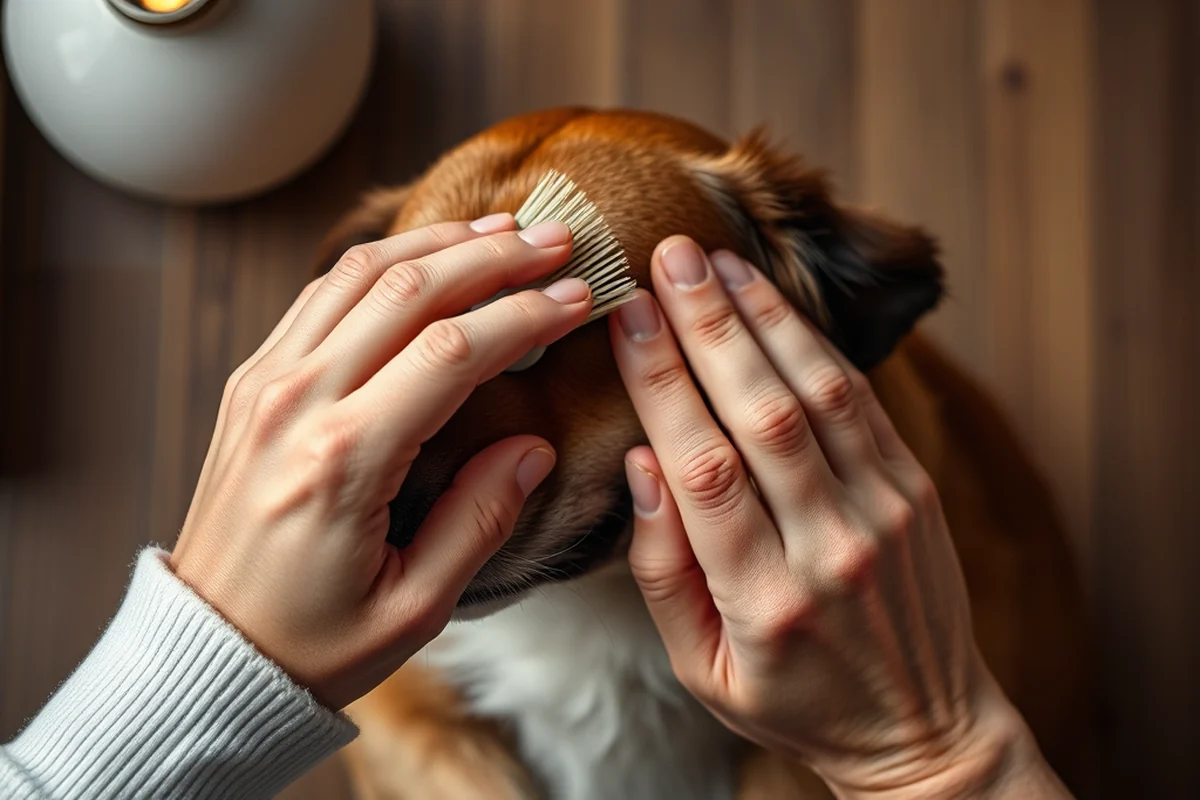
The process of cleaning a senior pet’s ears is similar to cleaning a human’s ears, but with a few important differences. I’ve found that using a warm, damp cloth or a soft ear wipe is the safest way to remove excess wax. It’s important to avoid inserting anything deep into the ear canal, as this can cause injury. I always start by gently wiping the outer ear and then applying a few drops of the ear wax cleaner, following the product’s instructions carefully.
After applying the cleaner, I let it sit for a few minutes to break down the wax, and then I wipe away the loosened debris with a clean cloth. I’ve learned that rushing the process can make my pet uncomfortable, so I take my time and speak to him in a calm, reassuring tone. It’s also important to reward him with treats and praise after each session to create a positive association.
I’ve had several pets with different ear shapes and sizes, and I’ve found that some products work better than others. It’s always a good idea to consult with your vet before starting any new cleaning routine, especially for senior pets with pre-existing conditions.
Patience and consistency are key when cleaning your senior pet’s ears.
Related: Hearing loss vs tinnitus
The Benefits of Regular Ear Cleaning
I’ve noticed that senior pets who have a consistent ear cleaning routine are less likely to develop infections. This is because the buildup of wax and debris can create an environment where bacteria and yeast thrive. By using an ear wax cleaner on a regular basis, you’re helping to remove those irritants before they cause a problem.
In addition to preventing infections, regular cleaning can also help your pet hear better. I’ve seen a noticeable difference in Max’s behavior since we started cleaning his ears. He’s more responsive to commands, and he seems more engaged with the world around him. It’s amazing how something as simple as ear care can have such a big impact on a pet’s quality of life.
Another benefit of regular cleaning is that it helps maintain your pet’s balance and coordination. When the ear canal is blocked, it can affect their sense of balance, leading to wobbling or unsteady movement. By keeping their ears clean, you’re helping to preserve their mobility and reduce the risk of falls.
Always use a soft cloth or wipe and avoid any harsh scrubbing, as this can irritate the ear canal.
“I remember the first time I noticed my 12-year-old golden retriever, Max, tilting his head to one side and pawing at his ear.”— Senior Pet Hearing Loss editors
Related: Hearing loss without tinnitus reddit
Choosing the Right Ear Wax Cleaner
When I first started looking for an ear wax cleaner, I was overwhelmed by the number of options available. I’ve found that the best products are those that are specifically formulated for senior pets and have a gentle, non-irritating formula. I always look for products that are free from harsh chemicals and have a pH balance that matches the natural pH of a pet’s ear.
I’ve tested several different brands over the past year, and I’ve found that some products are more effective than others. One of the most important factors is how quickly the product breaks down the wax without causing any discomfort. I’ve found that products with natural enzymes and oils tend to work better than those with synthetic ingredients.
It’s also important to read the product labels carefully and follow the instructions. Some ear wax cleaners are meant to be used once a week, while others can be used more frequently. I always make sure to consult with my vet before starting a new product, especially for senior pets with sensitive ears.
Related: Hearing loss simple definition
The Role of the Vet in Ear Care
Even the best ear wax cleaner can’t replace the expertise of a veterinarian. I’ve learned that if you notice any signs of an infection, such as redness, swelling, or a foul odor, it’s important to see your vet as soon as possible. These symptoms can indicate a more serious issue that may require medication or further treatment.
In my experience, many pet owners try to self-treat ear infections without consulting a vet, and this can lead to more severe complications. I’ve seen cases where pets developed chronic infections because they used the wrong product or didn’t seek professional help. It’s always better to be safe than sorry.
Your vet can also help you determine the best ear wax cleaner for your pet’s specific needs. They may recommend a product that’s more effective for pets with certain conditions, such as allergies or chronic infections. It’s always a good idea to check in with your vet regularly, especially for senior pets who may have more complex health needs.[2]
Related: Sensorineural hearing loss simple terms
Making Ear Cleaning a Routine
I’ve found that making ear cleaning a regular part of my senior pet’s grooming routine is the most effective way to keep their ears healthy. I’ve started incorporating it into our weekly routine, and it’s become something that both Max and I look forward to. It’s a great opportunity to bond and ensure that his ears are always clean and comfortable.
I always make sure to create a calm and positive environment during the cleaning process. I’ve noticed that if I rush or get frustrated, it can make my pet more anxious. I take my time, speak to him in a gentle tone, and use treats and praise to reward him. This helps create a positive association with the entire process.
Over time, I’ve seen a noticeable improvement in Max’s ear health. He’s less prone to infections, and his hearing seems to be better than it was before. It’s amazing how something as simple as a daily routine can have such a big impact on a pet’s well-being.
Consistency in ear care is the key to long-term ear health.
Related: What causes tinnitus in your ears
What to Do if You’re Unsure
I’ve learned that it’s easy to get overwhelmed by the number of ear wax cleaners on the market, and I’ve seen many pet owners make mistakes by choosing the wrong product. Some products can be too harsh for senior pets with sensitive ears, and others may not be effective enough to prevent infections. That’s why I always recommend consulting with your vet first.[3]
Your vet can help you determine the best product for your pet’s specific needs and can also provide guidance on how often to use it. They may also recommend additional treatments if your pet has a history of chronic infections. It’s always better to be safe than sorry, especially with your pet’s health.[4]
I’ve found that even the most well-intentioned pet owners can make mistakes with ear care. That’s why I always encourage owners to seek professional advice before making any changes to their pet’s routine. Your vet is your best resource with making sure your pet stays healthy and comfortable.
🦴 Senior Pet
Tailored for older pets with sensitive ears and increased wax buildup.
🐕 Small Breed
Ideal for small dogs with narrow ear canals that are more prone to wax blockage.
🐾 Multi-Pet Home
Designed for households with multiple pets who need regular ear care.
💰 Budget
Affordable yet effective option for pet owners looking to save on vet visits.
✈️ Travel
Portable and easy to use for pet owners who travel frequently with their pets.
| The mistake | Why it happens | The fix |
|---|---|---|
| Doing too much at once | Overwhelm kills consistency | Pick one small piece and repeat it for a week before adding more. |
| Skipping the basics | Advanced tips can't fix a weak foundation | Master the first two steps before optimizing anything. |
Ear Wax Cleaner
Common Questions
How often should I clean my senior pet's ears?
Can I use the same ear wax cleaner for all my pets?
What should I do if my pet resists ear cleaning?
Is it safe to use cotton swabs on my pet's ears?
References
- MAUDE Adverse Event Report: EAR-PIERCING DEVICES (accessdata.fda.gov)
- Is It Really Dangerous to Clean My Ears with Cotton Swabs? (blog.cedars-sinai.edu)
- Lend me your ears. Here's how you can safely clean them. (blogs.bcm.edu)
- Should you try these tools to clean your ears? - Harvard Health (health.harvard.edu)
Cite this guide
Senior Pet Hearing Loss (2026). Ear Wax Cleaner. https://hearingharbor.com/ear-wax-cleaner/
Feel free to cite or share this guide.
Senior Pet Hearing Check
Scores everyday signs of hearing loss in senior pets.
Open it free →